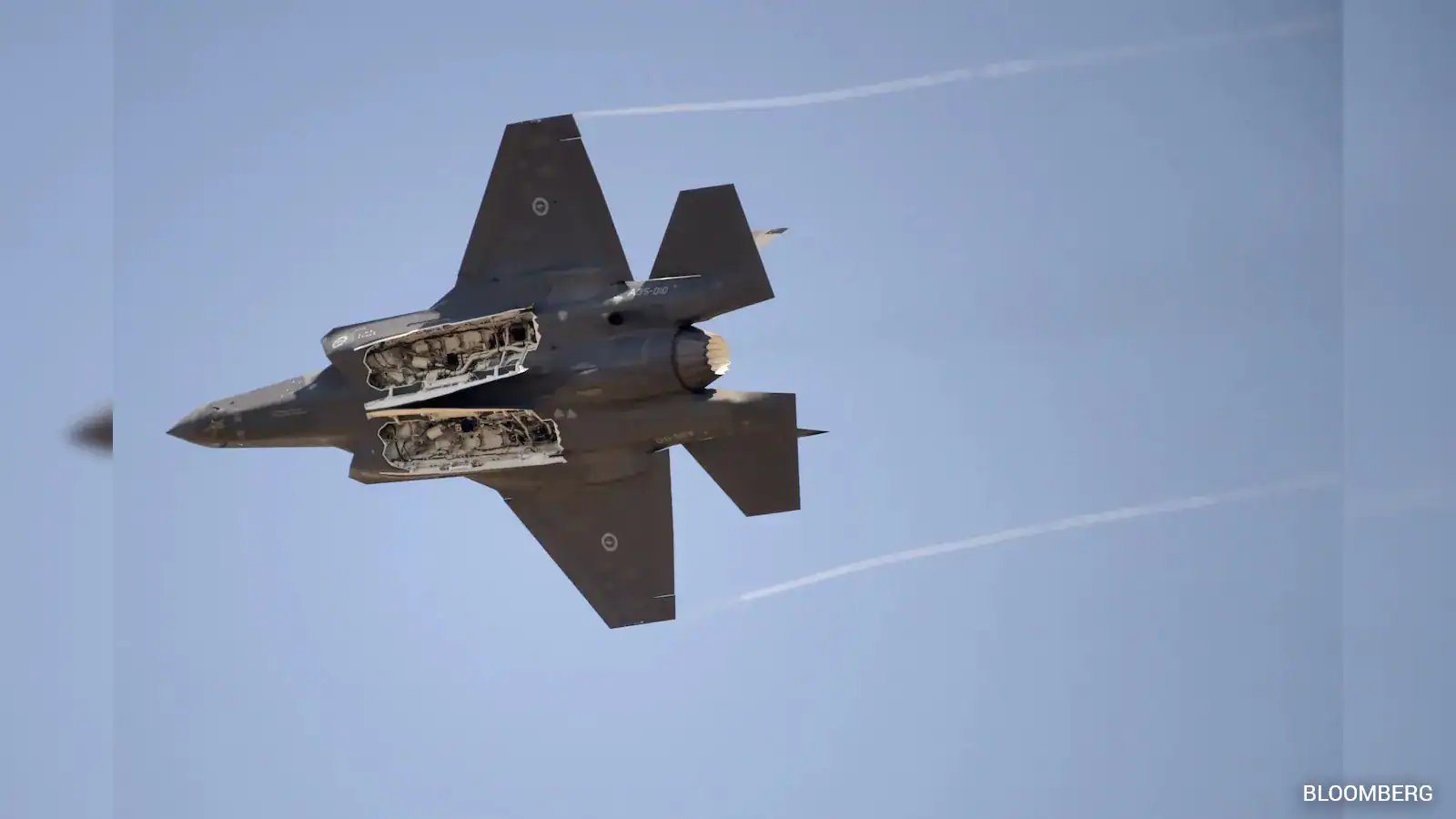
A cockpit canopy and weapons‑bay door, coated with radar‑absorbing material, were en route to the US for inspection when UPS rerouted the cargo through South Korea and then Hong Kong. The Australian‑made F‑35 components, supplied by Lockheed Martin, were unserviceable but still valuable for their stealth technology. The diversion was not disclosed until UPS alerted the State Department's Directorate of Defense Trade Controls, prompting a swift response from U.S. authorities.
The Chinese Embassy declined to comment, while Beijing's Foreign Ministry said it was "not aware of the situation." Senator Elissa Slotkin slammed the move on Bloomberg, warning that "the Chinese are holding some of our most sensitive technology." Congressional committees in Washington have opened investigations, with members citing concerns over future F‑35 sales to Gulf states.
The Pentagon said it was "actively working with U.S. authorities and industry partners to retrieve these components, investigate the incident, and place safeguards," while Lockheed Martin noted the parts were "unserviceable and deemed low risk for exploitation." Australian Defence Minister Richard Marles said his government was "examining everything that has occurred at the Australian end" and reaffirmed confidence in the program's security protocols.
The incident comes as President Xi Jinping arrives in Washington for a state visit hosted by President Trump, adding diplomatic tension. The U.S. is expected to hold a congressional hearing next week to detail how the diversion happened and what reforms will be implemented. Meanwhile, the Pentagon is negotiating with UPS to recover the parts, and the outcome could affect U.S.‑China defense trade relations.