Supreme CourtDigital FraudBankingIndiaCybercrime
Supreme Court Calls Out Rising Digital Arrest Scams, Warns of Rs 2.5 Cr Fraud
Published: October 29, 2026
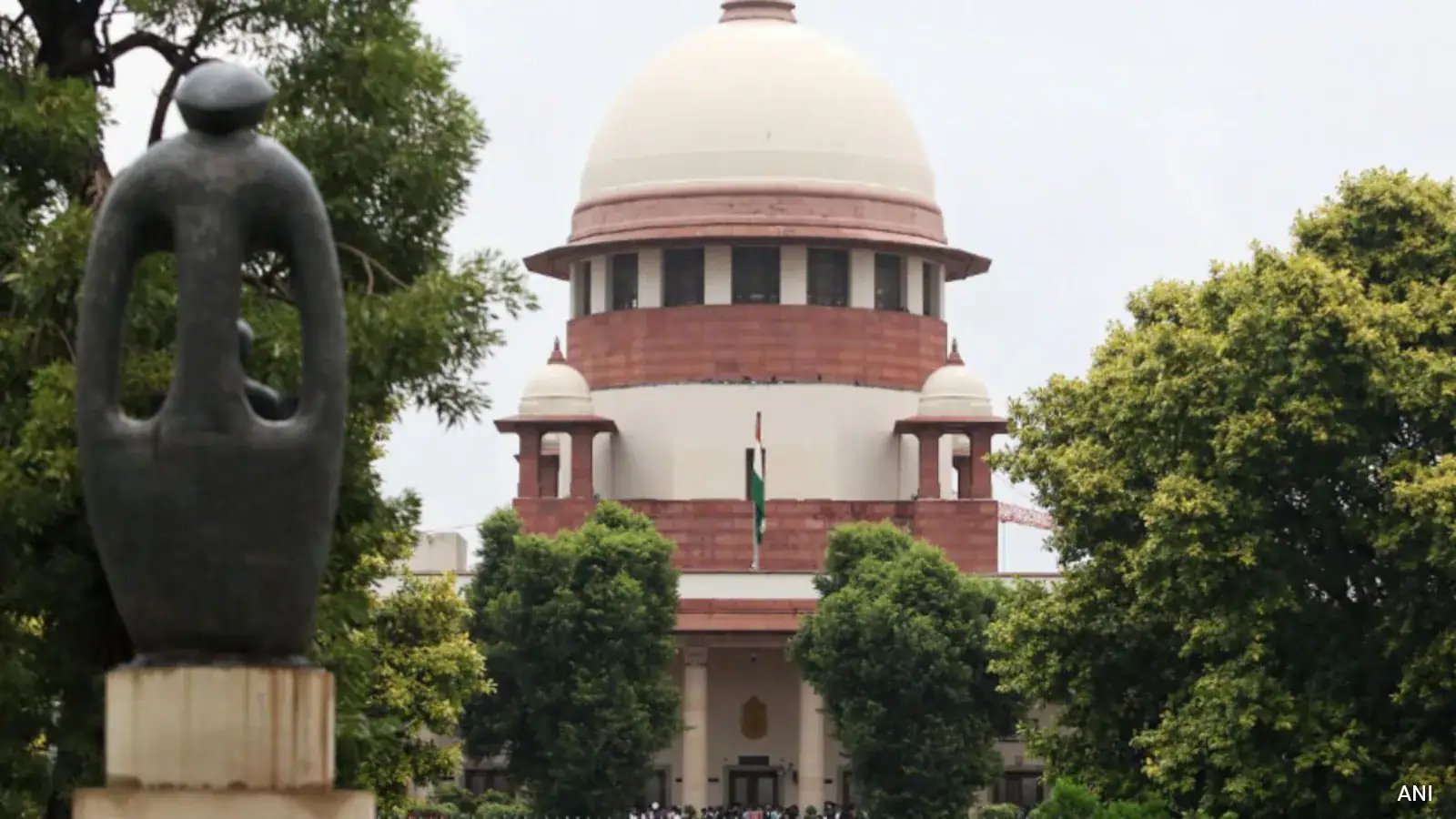
Chief Justice Surya Kant questioned the surge of digital arrest scams at the Supreme Court on Thursday, citing a Rs 2.5 crore fraud. The court will issue a directive mandating banks to halt suspicious transactions immediately and compensate victims.
The bench, comprising Chief Justice Surya Kant, Justice Joymalya Bagchi and Justice V Mohana, took suo motu cognisance of the issue after a spate of digital arrest cases flooded the courts.
Senior lawyer NS Nappinai, acting as amicus curiae, presented evidence that a woman was defrauded of Rs 2.5 crore and that the number of such scams is climbing even after the Central Government’s status report on March 30.
Kant questioned why educated citizens still fall for fraudsters’ tactics, citing media coverage, awareness campaigns and the psychological pressure that makes victims act on phone calls that mimic court orders.
Attorney General R Venkataramani countered that banks now have better monitoring systems, the RBI has met with banks to draft tighter regulations and the Indian Cyber Crime Coordination Centre works 24/7, though he stressed that blanket blame for officials is unfair.
The court, however, proposed that banks be held directly liable: they must stop any transaction that deviates from a customer’s historical pattern pending verification, compensate the victim and face prosecution.
The directive will be issued next week, setting a precedent for bank accountability in digital arrest frauds.