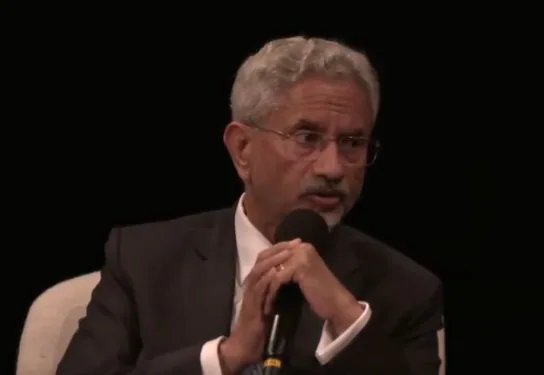
S Jaishankar delivered a stark warning from New York, arguing that a convergence of the Ukraine war and the Iran-Gulf crisis has triggered a global food emergency. Speaking at an Asia Society event, the External Affairs Minister identified the immediate bottlenecks: major grain exporters are physically unable to dispatch shipments from the Black Sea, while critical fertilizer production in the Middle East and Russia has collapsed.
The diplomat did not name the US or Russia directly, but the subtext was unmistakable. He accused policymakers of a dangerous self-centeredness, asserting that they cannot dismiss the devastating fallout by claiming their actions were unintentional. "They have a responsibility to apply themselves to the situation of other countries as well," Jaishankar said, rejecting the notion that domestic decision-making should ignore global consequences.
The economic mechanics of this crisis are already squeezing the Global South. Every escalation in conflict drives capital toward safe havens, draining liquidity from developing economies. For nations in Africa and South Asia, this creates a perfect storm: soaring food and fuel prices meet a simultaneous depletion of financial reserves.
Jaishankar stressed that these countries now possess minimal fiscal buffer to absorb the next shock. The result, he said, is a state of "very, very stressful" conditions where governments are forced to choose between feeding their populations and maintaining economic stability.
The minister’s remarks underscore the widening disconnect between the strategic calculations of great powers and the material reality for the world’s most vulnerable. No immediate diplomatic follow-up was scheduled, but the explicit linkage of geopolitical conflict to food security is likely to shape India’s stance in upcoming multilateral forums on climate and trade.