The International Olympic Committee has stepped directly into the turmoil paralyzing the Indian Olympic Association. It did not mince words.
Warning that persistent factional warfare is trashing the country's sporting reputation abroad, the IOC declared itself "very disappointed" by fresh electoral chaos inside the IOA headquarters. The global governing body issued an urgent directive: clean up the ballots, follow the Olympic Charter, and purge outside political interference before the executive council votes on Dec. 5.
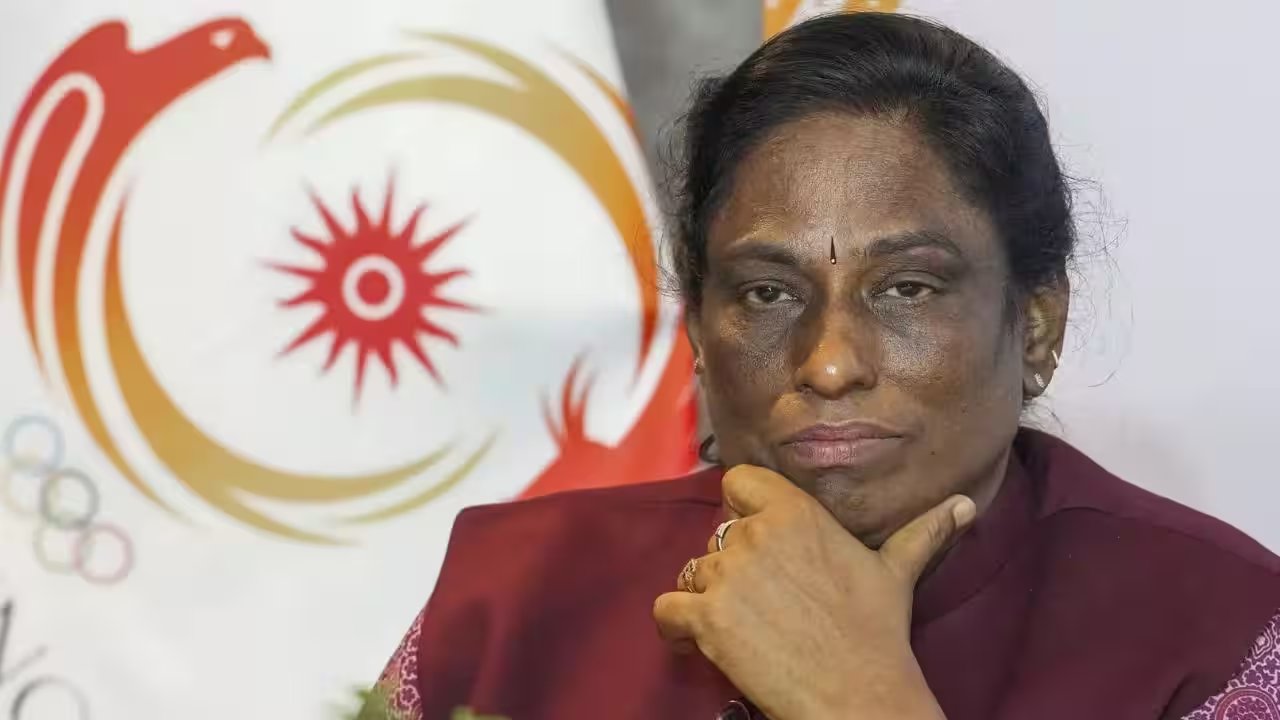
The world body’s sharp reprimand follows a three-page dossier dispatched by IOA president PT Usha to IOC president Kirsty Coventry. In that letter, Usha laid out a pattern of alleged backroom sabotage during the Nov. 9 Sportspersons of Outstanding Merit (SOM) elections—a secret ballot contest where Usha suffered an unexpected fifth-place defeat.
Usha walked into the SOM contest expecting a routine endorsement of her administrative standing. The ballot box delivered an ambush.
Six candidates contested four open seats reserved for women of outstanding merit. When officials tallied the ballots, Usha stood outside the qualifying line with just 40 votes. Former world championship long jump medalist Anju Bobby George topped the sheet with 53 votes, followed closely by former hockey captain Rani Rampal with 50. Olympian archer Dola Banerjee secured 45 votes, while London 2010 bronze medalist shuttler Saina Nehwal locked down the fourth spot with 43.
Usha finished fifth. She was out.
| Candidate | Votes Polled | Status | Final Standing |
|---|---|---|---|
| Anju Bobby George | 53 | Elected | 1st |
| Rani Rampal | 50 | Elected | 2nd |
| Dola Banerjee | 45 | Elected | 3rd |
| Saina Nehwal | 43 | Elected | 4th |
| PT Usha | 40 | Eliminated | 5th |
Usha refused to take the loss lying down. In her formal complaint to Coventry, the legendary sprinter insisted her protest was not sour grapes over an individual defeat, but a desperate stand to shield the IOA's institutional independence from covert state pressure.
Her dossier detailed coordinated WhatsApp campaigns pushing pre-selected candidate panels, incumbent administrators actively lobbying voters, and officials demanding confirmations of participation ahead of a supposedly blind ballot. More damningly, Usha alleged explicit invocations of the Union Sports Ministry were dangled before voters to sway choices. She also questioned how Electoral Officer Sanjay K. Srivastava handled four separate formal representations lodged during the process.
The IOC’s reply was unsparing. Signed by James Macleod, Director of NOC Relations, Olympic Solidarity and Olympism365, the letter was copied directly to Indian IOC member Nita Ambani and the Olympic Council of Asia (OCA).
Lausanne made its exasperation crystal clear:
The IOC is very disappointed to note that, once again, issues and disputes seem to have resurfaced in the conduct of the IOA election process and in the implementation of the rules governing the IOA elections, despite all the efforts made over the past few years to establish a strong governance framework for the IOA in accordance with the Olympic Charter and the Basic Principles of Good Governance within the Olympic Movement.
Yet the warning went deeper than administrative protocol. The IOC underscored that recurring power grabs inside New Delhi's sporting corridors are actively sabotaging Indian athletes on the world stage.
This extremely regrettable situation is, once again, negatively affecting the operations and reputation of the Olympic Movement in India.
Lausanne did not officially overturn the Nov. 9 SOM results, nor did it single out individual administrators for punitive action. But it placed Electoral Officer Sanjay K. Srivastava on direct international notice.
Urging Srivastava and the IOA hierarchy to enforce absolute transparency, Macleod demanded that all forthcoming proceedings strictly uphold the IOA Constitution without external influence. The world body also requested that the directive be formally placed before Indian government authorities to prevent bureaucratic pressure on voters.
The countdown is running. With the IOA executive council elections scheduled for Dec. 5, the electoral machinery must now decide whether to enforce clean governance under global surveillance or invite a catastrophic showdown with Lausanne.