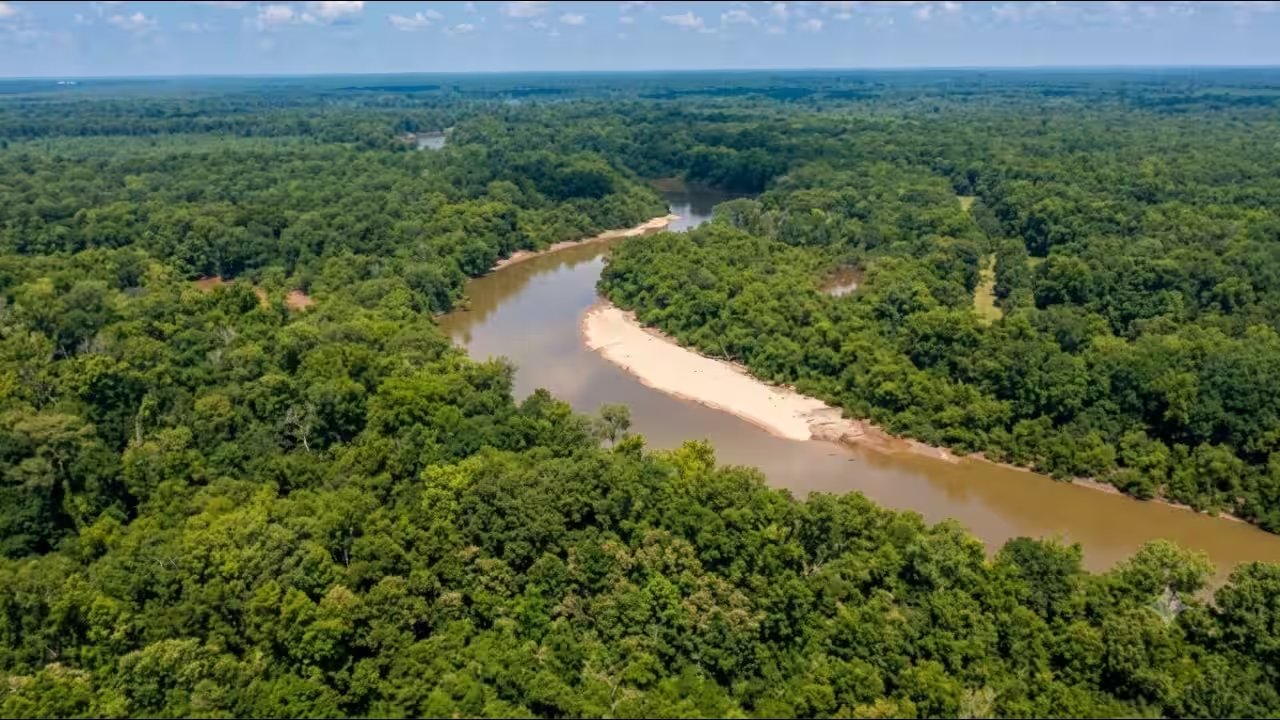
South Carolina’s Department of Natural Resources (SCDNR) took possession of 2,600 acres of the River Forks timber tract from the Open Space Institute on Tuesday, adding 11 miles of riverfront to the state’s growing conservation portfolio.
River Forks sits on the banks of the Lynches and Great Pee Dee Rivers, a site that Revolutionary War commander Francis Marion used as a covert base to launch raids against British forces, including a decisive assault on the Georgetown garrison.
The 2,600‑acre tract alone supports 140 high‑priority species, 15 of which are listed as at‑risk under federal or state statutes, and provides critical habitat corridors for the Swallow‑tailed Kite and Spotted Turtle.
Floodplain wetlands on the property can absorb more than one million acre‑feet of water, a capacity that mitigated downstream flooding during Hurricane Florence in 2018 by releasing the volume over ten days, as highlighted in the Journal of South Carolina Water Resources.
Funding for the acquisition came from a $3 million grant by the U.S. Fish and Wildlife Service, a $1.5 million contribution from Florence County’s capital sales tax fund, and support from the South Carolina Conservation Bank, Darla Moore Foundation, and Knobloch Family Foundation; the land had previously been owned by Manulife Investment Management and Weyerhaeuser.
The transfer represents the first phase of the 7,600‑acre Snow’s Island Assemblage; the remaining 5,000‑acre Snow’s Island tract is slated for SCDNR control in early 2027, after which the state will integrate the area into its Wildlife Management Area and Heritage Trust programs, giving local communities access to preserved swamps while safeguarding biodiversity and flood resilience.