Indianuclear testsPokhranAtal Bihari VajpayeeNuclear Weapons
India Conducts Pokhran Nuclear Tests in 1998, Declares Itself Nuclear Weapon State
Published: May 11, 2026
Loading article...
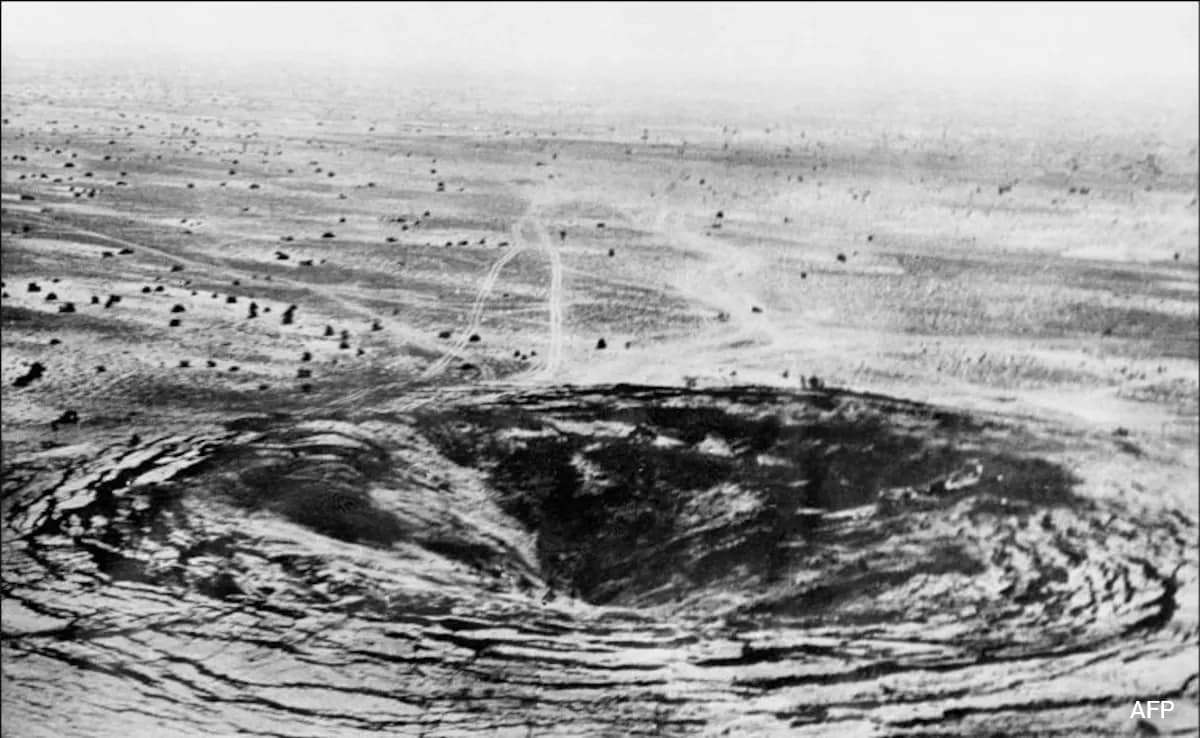
India conducted five underground nuclear tests at Pokhran in Rajasthan on May 11 and 13, 1998, declaring itself a nuclear weapon state. The tests, code-named Operation Shakti, were carried out under Prime Minister Atal Bihari Vajpayee's leadership and marked India's first official demonstration of nuclear weapons capability since a 1974 'peaceful nuclear explosion' at the same site. Vajpayee stated the decision was driven by national security concerns and regional instability, particularly citing threats from nuclear-armed neighbors.
The 1974 test, conducted on Buddha Purnima and codenamed 'Smiling Buddha,' had drawn international sanctions and restricted access to nuclear technology. Over the next two decades, India developed indigenous capabilities in nuclear energy, missile systems, and advanced materials, circumventing global technology denial regimes. The 1998 tests signaled the culmination of this self-reliant strategic program.
The international response was immediate and punitive. The United States, under President Bill Clinton, imposed economic sanctions and suspended financial assistance. Other countries followed, and nuclear trade with India was restricted. Despite diplomatic isolation, India maintained its position that the tests were necessary for credible deterrence.
In the years that followed, India pursued high-level diplomacy to normalize its nuclear status. This effort led to the 2008 Nuclear Suppliers Group waiver and the implementation of the U.S.-India Civil Nuclear Agreement, enabling civilian nuclear trade despite India's non-signatory status to the Nuclear Non-Proliferation Treaty.
India continues to maintain a 'no first use' nuclear doctrine and has called for global nuclear disarmament. The country's nuclear policy remains under the oversight of the Nuclear Command Authority, and the next scheduled review of India's strategic doctrine is expected in 2025.