Aston Martin has slipped its first battery‑electric vehicle from the 2025 horizon to a 2033‑35 window, and the company’s CEO said the brand will stay ICE‑heavy until 2035.
The move follows a string of postponements—initial 2025, then 2026, then 2030—reflecting a cautious stance on battery tech and market appetite for high‑priced EVs. Meanwhile, rivals like BMW and Porsche have already rolled out models that deliver 400‑plus km range, squeezing Aston’s market share in the premium segment.
Aston’s collaboration with Lucid remains intact, but the luxury marque is deferring the handover of the Lucid‑derived architecture until battery chemistry matures. The partnership still promises an 800‑volt architecture and a target output of around 600 hp, but the company is keeping the design in research mode to avoid locking into a technology that might be obsolete by the time production starts.
The brand will keep its V8 and V12 powerplants compliant through 2035, with a focus on lightweight hybrid systems instead of plug‑in hybrids. These hybrids aim to shave weight and improve efficiency without the extra packaging that heavy plug‑in units would bring, keeping the cars’ performance pedigree intact.
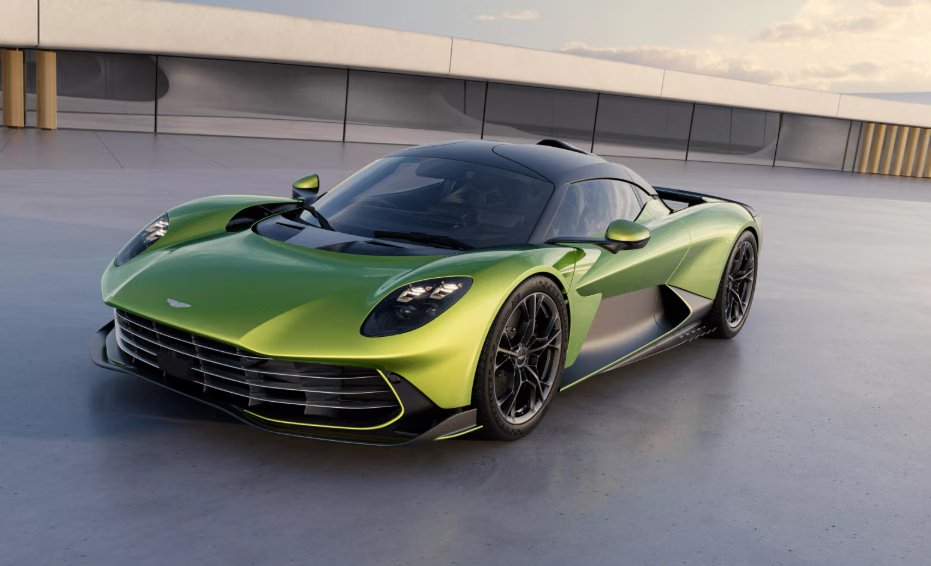
With the first EV slated for 2033‑35, the next few years will see the company refine its combustion and hybrid platforms, keeping the Valhalla and Rapide lineups alive. The Valhalla hypercar will continue to be built on the same platform, while a potential derivative with a different roof could signal the brand’s intent to offer low‑volume, high‑performance specials alongside mainstream models.
Prospective buyers should brace for a decade‑long wait if they want a pure electric Aston Martin, while the brand positions itself to offer a broader range of high‑performance hybrids ahead of the electrification wave. The delay also gives the marque time to monitor changes in battery cost, range, and regulatory demands that will shape the eventual launch window.