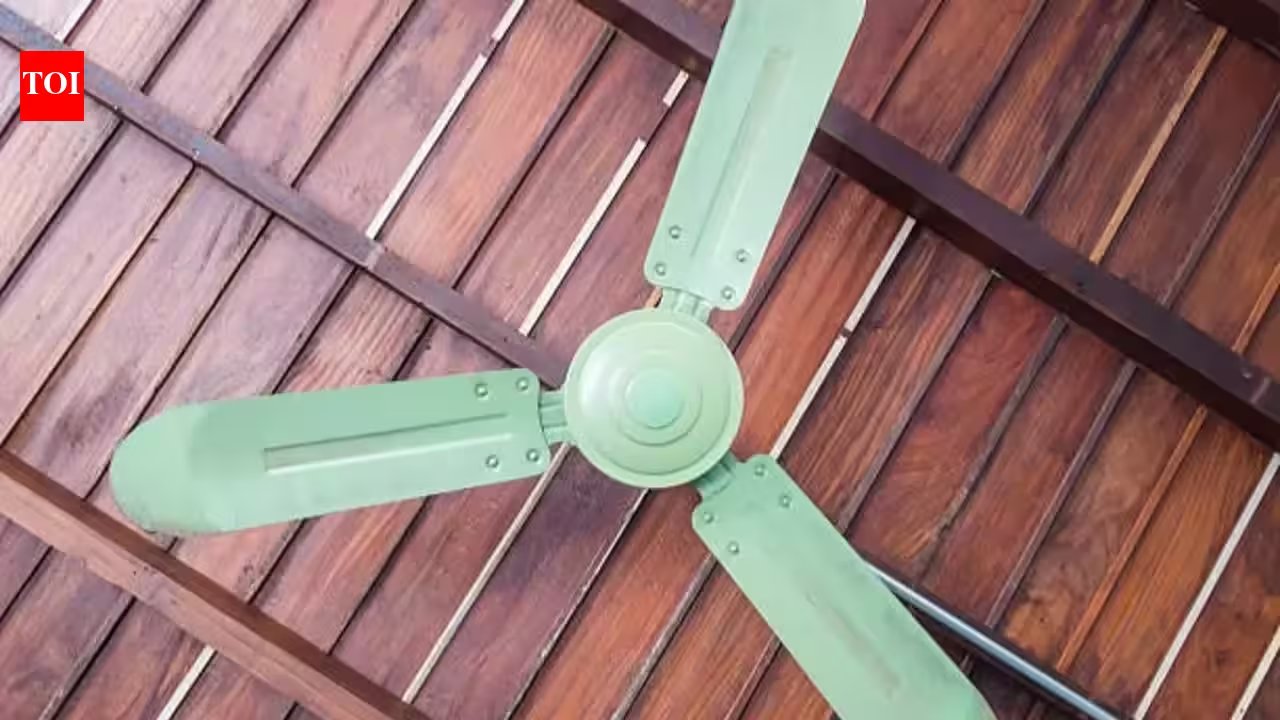
Gravity is the one houseguest you can’t kick out, and it dictates that dust always falls down. If you mop your floors first, that fresh, shiny surface is about to get buried under a layer of grime that just drifted off your ceiling fan. So, flip the script. Start at the very top of the room and work your way down, treating your home like a vertical stack where the bottom layer is the final step, not the first.
The ceiling fan is the dust magnet you’re probably ignoring. It spins air all day, catching every speck of dust, hair, and lint floating in the room. Here’s the hack: take an old, clean pillowcase. Switch the fan off and let it stop completely. Stretch the pillowcase over the blade and pull it off. The dust stays trapped inside the fabric instead of exploding into the air and settling on your sofa. Do this for both the top and bottom of every blade. It looks messy while you’re doing it, but the result is a fan that doesn’t look like it’s wearing a fur coat.
Next, hit the corners. Cobwebs love the joints where the wall meets the ceiling because nobody looks up there for months. A long-handled duster or a broom wrapped in an old cotton cloth works best here. You don’t need a ladder for every corner; just reach up and wipe. Once the ceiling and fans are done, move down to the walls, light fixtures, and the tops of cupboards. Each step catches the dust falling from the step above it, so you’re not fighting a losing battle.
Save the floor for last. Seriously. Only sweep and mop after every surface above it has been wiped down. By the time you get to the mop bucket, the floor will be covered in a layer of dust that fell from the ceiling work. Sweeping once at the end catches it all in one go. If you start with the floor, you’ll be mopping three, four, maybe five times as the dust keeps raining down from above. One pass at the end is cleaner, faster, and saves your back.