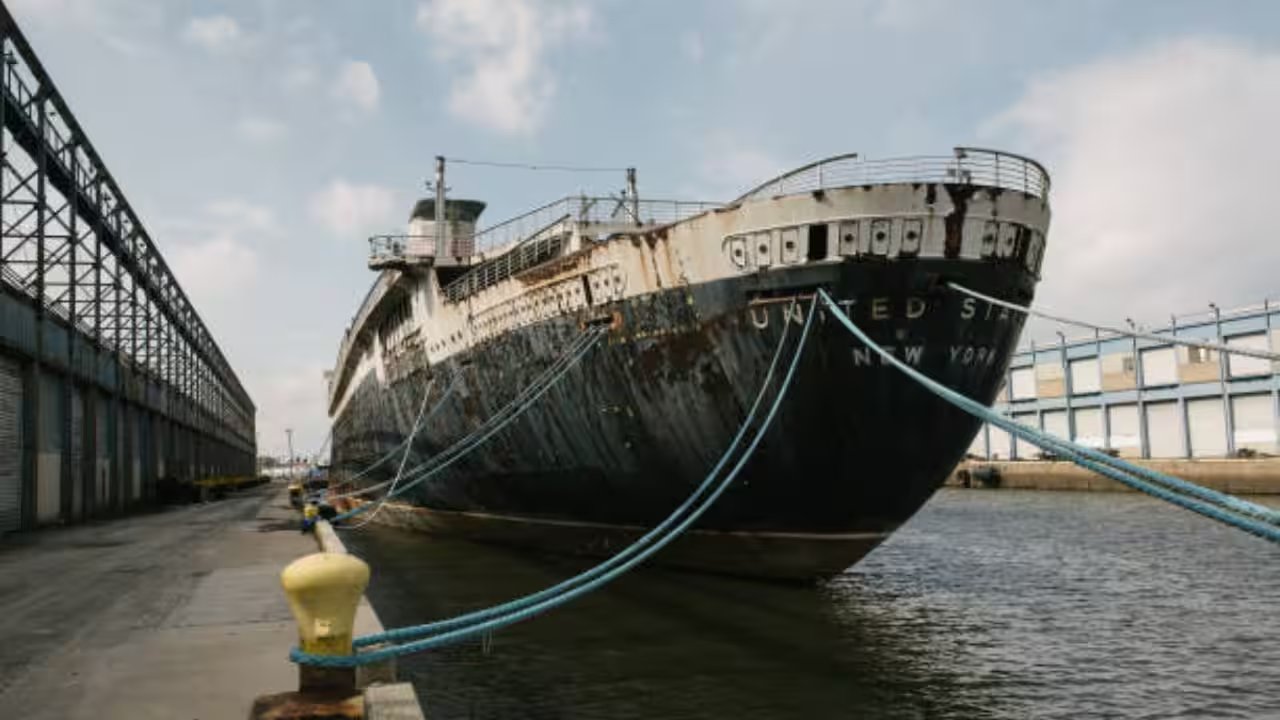
The 990‑foot SS United States has spent the last quarter‑century drifting in shipyards, its gleaming hull now a relic of an era when ocean liners ruled transatlantic travel. In February 2025 the vessel left Philadelphia for Mobile, Alabama, where crews began a meticulous environmental remediation before the ship’s final journey. The plan is to tow it to a site 22 nautical miles southwest of Destin‑Fort Walton Beach and sink it, creating a massive underwater habitat.
Built by Newport News Shipbuilding and designed by naval architect William Francis Gibbs, the liner set the Blue Riband on its maiden July 3, 1952 voyage, crossing the Atlantic in 3 days, 10 hours and 40 minutes. Its aluminium‑laden hull and powerful engines made it a symbol of American engineering, and it carried four U.S. presidents—including a young Bill Clinton—on trips that were more than just transport; they were statements of post‑war optimism.
Okaloosa County bought the ship for $1 million in 2024, after years of stalled restoration proposals that ranged from luxury hotel to museum. County Commissioner John Smith said the purchase was a “strategic investment in our coastal economy.” The project’s budget, about $10.1 million, covers towing, cleanup, and the final submergence, according to the SS United States Conservancy.
A County claims all hazardous materials have been removed, but the U.S. Army Corps of Engineers and the Environmental Protection Agency must still sign off. The Corps’ spokesperson, Lt. Col. Maria Lopez, said the review will assess potential ecological impacts before the sinking can proceed. Meanwhile, local diving operators have already booked tours of the future reef, hoping the ship will become a top‑tier attraction for both seasoned divers and new enthusiasts.
A resident fisherman Miguel Torres, who has fished the Gulf for 30 years, told reporters that “seeing the SS United States become a reef could bring a new wave of tourists, but it also means more boats and more traffic.” The county’s next milestone is the Corps’ approval, slated for the first week of November, after which the launch of the final deployment will be announced.