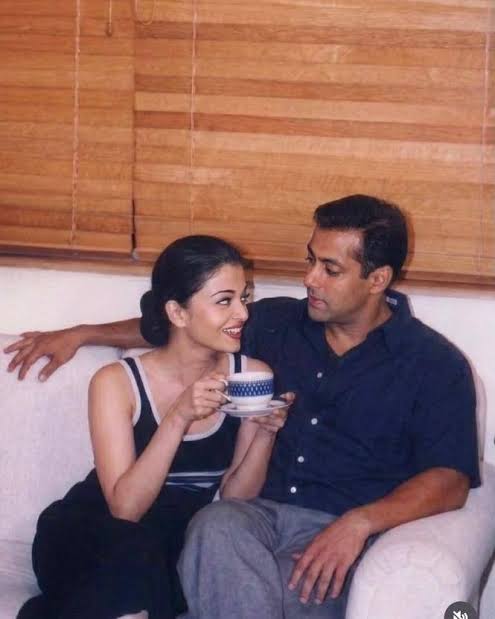
A hush settles over the set of the long‑running talk show, and the camera zooms on Aishwarya Rai, her eyes steady. NewparA In 2012, she agreed to sit down with Simi Garewal for a solo interview that would later reveal the secret she’d guarded for years. The question was simple: can she look back at the Salman episode objectively? She smiled, then said, “I’d shut it out. I wouldn’t want to get into it on a public platform.”
She didn’t just dodge the question; she declared the reason—sanity. She called it an exorcism: “I’ve exorcised my demons. It’s a thing of the past.” When Simi pressed on why a thing of the past should remain a secret, Aishwarya answered that she isn’t a soloist. “With me comes my family, my loved ones, people I care for very dearly,” she added, hinting at the ripple effect of a celebrity breakup.
The scrutiny angle came next. Aishwarya warned that every comment would be dissected: “It’s also the people I’ll end up talking about. When people label me diplomatic, guarded, or someone who doesn’t think before she speaks, it’s for them as well.” She pitched herself as a normal girl, surrounded by normal people with normal relationships, and she wanted to preserve that image.
A quick flashback to the drama of the early 2000s helped the audience understand the stakes. Salman’s storming of the Chalte Chalte set, the replacement of Aishwarya by Rani Mukerji, and the public feud with Vivek Oberoi were all part of a saga that could still be resurrected in headlines. Yet, since 2007 she’s been married to Abhishek Bachchan, and together they raise their daughter Aaradhya.
In the end, Aishwarya’s silence isn’t about denial; it’s a shield. She’s chosen to keep her past private, turning a once‑public drama into a personal ritual that she can finally call her own. The lesson? Even in Bollywood, some stories are best left unspoken.