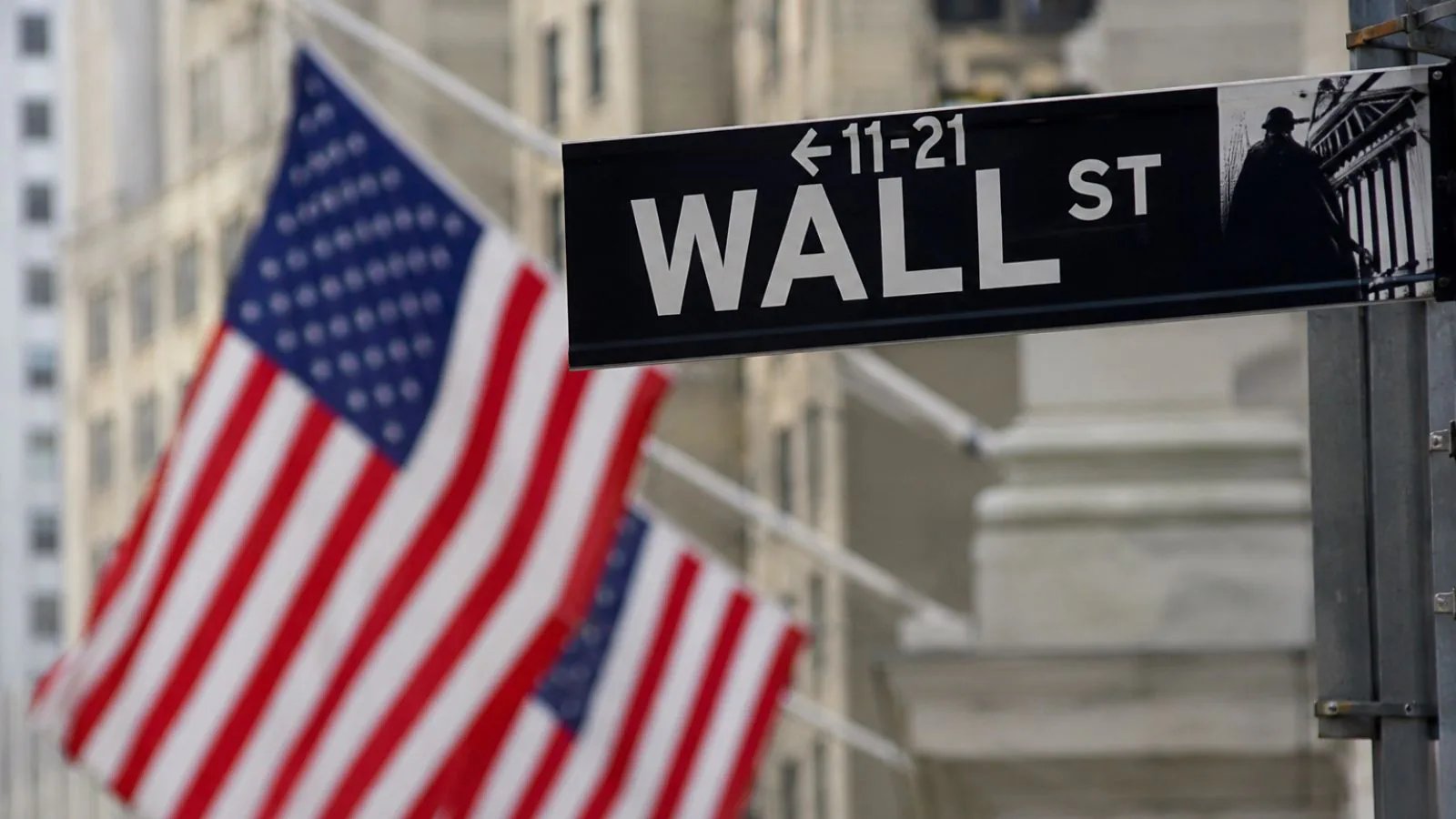
The S&P 500 and Nasdaq Composite fell 0.1% each, with the Dow Jones Industrial Average adding 92 points, a 0.2% gain, as the market closed in near‑flat territory. The 10‑year Treasury yield spiked 40 basis points to 5.20% on Thursday, its highest level since 2007, before easing to 5.18% on Friday, according to Treasury Department data.
The 40‑basis‑point climb since September has pushed borrowing costs for corporations and consumers higher, tightening the credit environment and nudging investors toward safer assets. Treasury analysts note that such yield momentum signals market expectations of sustained inflation and a potential Fed rate hike.
Oil markets added a new layer of complexity: West Texas Intermediate futures slipped 2% to roughly $92 a barrel, while Brent fell 1% to about $104, as traders priced in the possibility of renewed pressure on the Strait of Hormuz. Energy‑price volatility is a key concern for equity investors, as it can amplify inflationary risk and influence central‑bank policy.
On the weekly front, the Dow has slipped 0.6% so far, marking its fourth consecutive weekly decline. European indices offered a mixed bag—FTSE 100 up 0.3%, CAC 40 down 0.1%, and DAX up 0.6%—while Asian exchanges stayed largely unchanged, with China’s markets closed for a holiday.
Looking ahead, traders will focus on the Fed’s forthcoming policy statement, the potential for further yield rises, and the weathering of oil‑price shocks. The recent Trump‑Xi meeting, which addressed trade, AI, and Middle East dynamics, adds a geopolitical dimension that may influence market sentiment in the short term.