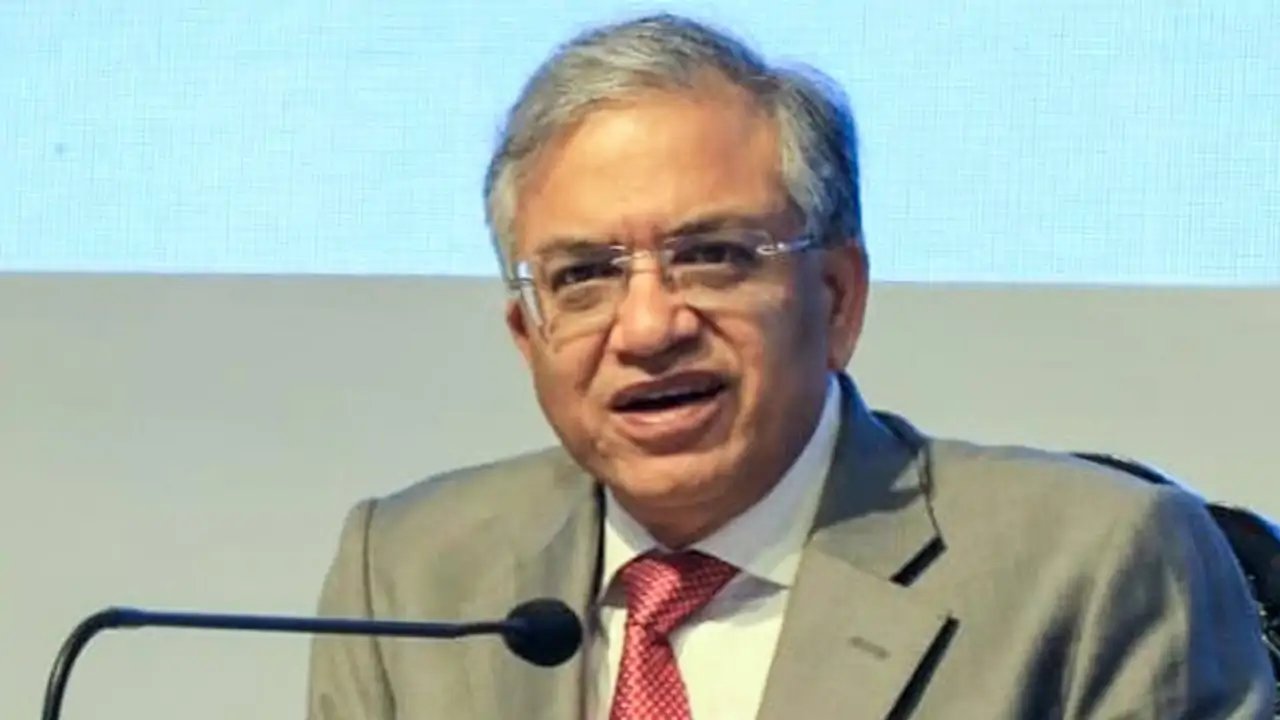
Chief Justice Surya Kant, along with Justices Joymalya Bagchi and V Mohana, will sit on a bench that will review petitions filed by Patna resident Rakesh Kumar Singh and by political activist Tripathi. The petitions demand the suspension of CEC Gyanesh Kumar and challenge his unilateral decisions, arguing that he acted without the approval of the other two election commissioners.
The core of the challenge lies in Kumar’s alleged alteration of the voter registration Form 6 and the introduction of a new software module for Special Intensive Revision (SIR) without a statutory amendment. The petition cites at least 14 documented objections from Commissioners Sukhbir Singh Sandhu and Vivek Joshi over the past ten months, as well as a 97‑eligible‑elector shortfall in Goa and more than 16.10 lakh appeals in West Bengal that were processed without the commission’s consent.
In the filing, the petitioners argue that the chief commissioner’s actions violate Section 18 of the Chief Election Commissioner and Other Election Commissioners Act, 2023, which mandates collective decision‑making. They request a writ of mandamus to declare all such unilateral directives unconstitutional, as well as criminal proceedings for breach of duty. The Election Commission, in its rebuttal, insists that dissent is a normal part of deliberations and that all orders carry full legal sanction.
The Supreme Court’s decision will determine whether Kumar is suspended pending the final hearing and whether the commission’s collective decision‑making framework is upheld. The outcome is expected to shape the future conduct of electoral roll revisions and the accountability of the chief election officer.