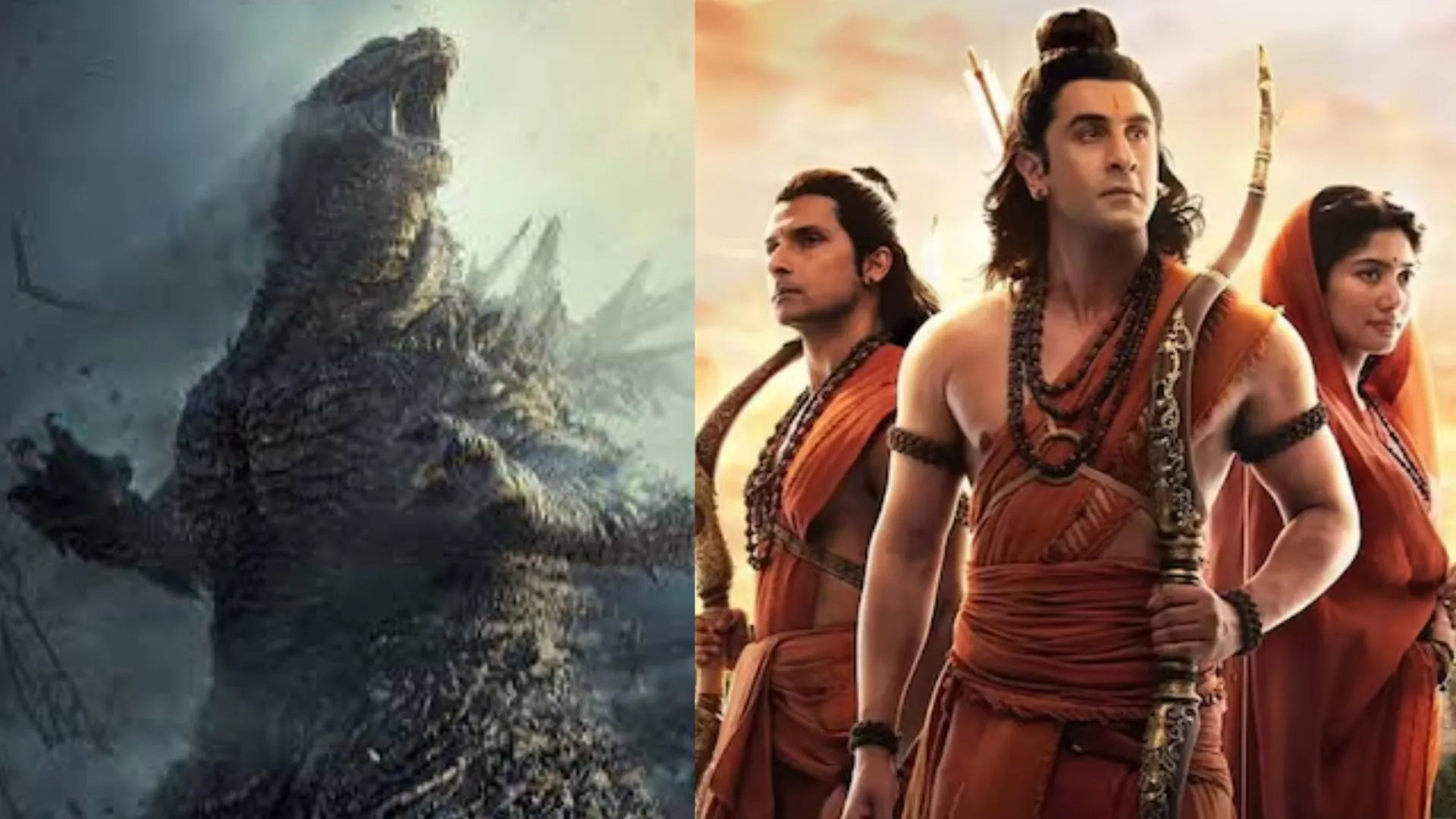
The big news is that Japan’s latest Godzilla installment is pushing its Indian premiere from November 6 to November 20, a decision that comes straight from Variety India’s inside scoop. The film’s producers say the two‑week gap will keep it from having to fight for the few premium large‑format (PLF) screens that Ramayana will flood the market with.
But why does a single PLF show matter? In a market where IMAX and other high‑definition formats can make a 30‑percent bump in ticket sales, a one‑show deficit feels like a missed opportunity. Think of it as a box‑office parking spot in a crowded mall—if Ramayana takes all the premium stalls, Godzilla is left with the back‑row seats.
The strategy isn’t new: Hollywood’s Project Hail Mary was shifted to follow Dhurandhar, and it paid off. Variety’s source told us the logic is simple—give the monster movie a clean window to gather fans before the epic mythological saga floods the screens. It’s a chess move that shows how much weight premium formats hold in India’s cinema economy.
On the flip side, Ramayana is a juggernaut. Directed by Nitesh Tiwari, it stars Ranbir Kapoor as Lord Ram, Sai Pallavi as Sita, and Yash as the towering Ravana. The film’s premiere on November 5 is expected to dominate the large‑format space, with a projected share of about 70‑percent of premium screens in the first week.
For Godzilla fans, the news is bittersweet. Takashi Yamazaki’s sequel continues the storyline from Godzilla Minus One, bringing back Ryunosuke Kamiki, Minami Hamabe, Sakura Ando, and Miou Tanaka. The plot promises more of the high‑octane action and eerie world‑building that made the original a cult hit. A later release might also mean more marketing buzz, as the film ramps up promotion in the weeks before its new debut.
Ultimately, the two‑week delay is a bet on timing rather than a gamble on content. It gives both films a fighting chance to claim their respective territories—Godzilla a clear path to premium screens, and Ramayana a front‑row slot to capture the myth‑lovers’ wave. For audiences, it means less conflict over which blockbuster to pick when the night finally falls.