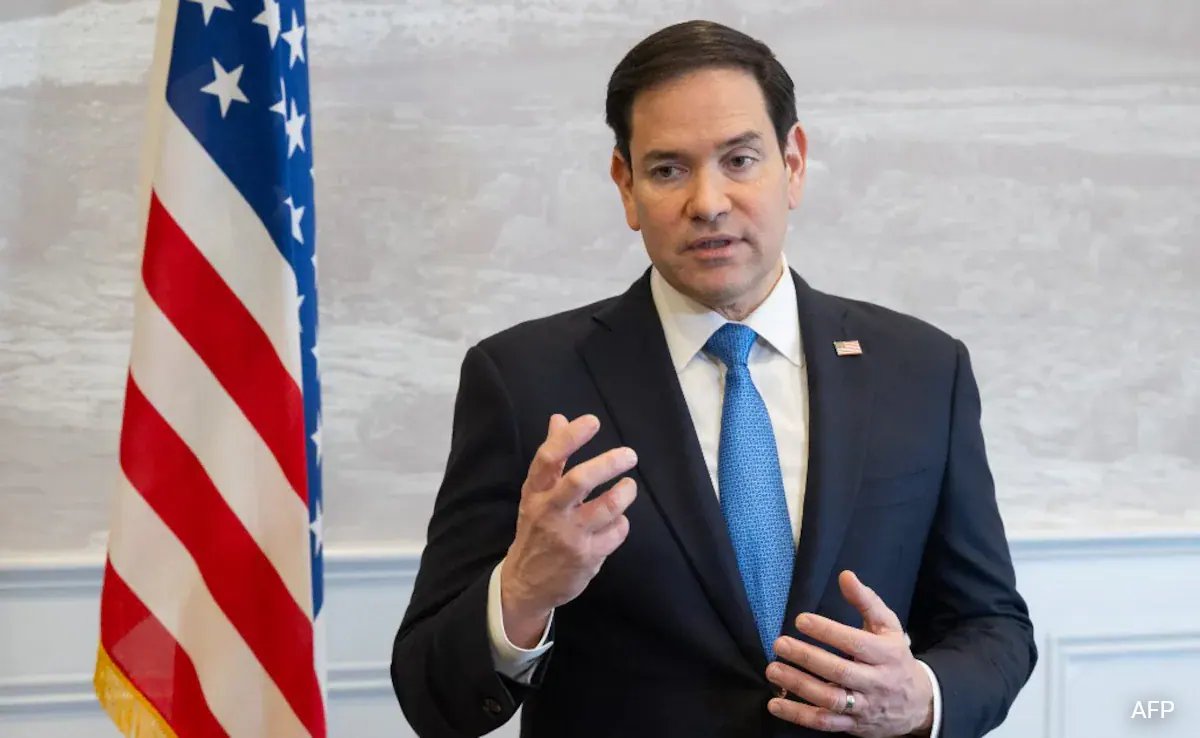
PARIS — The United States will not resume major combat operations against Iran for the time being.
Speaking after a tense summit of G7 foreign ministers in Paris on Tuesday, US Secretary of State Marco Rubio declared that Washington’s economic stranglehold is inflicting sufficient damage on Tehran to achieve American strategic aims without ground or air offensives. The shift in tone comes as European allies urge an immediate halt to hostilities that erupted on February 28 following the killing of Iranian supreme leader Ali Khamenei.
"The economic campaign against Iran is so devastating that right now there is no need for major combat operations," Rubio said. "That's what I told our allies here today."
President Donald Trump endorsed the shift away from immediate kinetic strikes, concluding that financial isolation and export crackdowns can deliver the administration's goals at far lower operational risk. Yet Rubio insisted that Washington's restraint carries strict conditions. If Iranian forces breach designated red lines, Rubio warned, American firepower will return instantly, exacting a "terrible price" on the clerical leadership.
European ministers used the two-day summit to push Washington away from the brink. In an unannounced diplomatic move, Qatar’s Prime Minister and Foreign Minister Sheikh Mohammed bin Abdulrahman Al Thani arrived directly from meetings with Trump in Washington to join sideline discussions with Saudi Arabia's foreign minister and four top European diplomats.
French Foreign Minister Jean-Noel Barrot, who chaired the Paris gathering, openly questioned whether the calm would hold.
The risk of a new escalation between the United States and Iran has not been completely ruled out. Otherwise, we would not have devoted so much time and energy over the past two days to addressing these issues.
Jean — Noel Barrot, French Foreign Minister
British Foreign Minister Ed Miliband demanded an "all-out diplomatic effort" to break what he termed a dangerous state of "no war, no peace" that is punishing global trade. Miliband pushed the G7 to secure an immediate, unhindered reopening of the Strait of Hormuz, the critical transit chokepoint through which a fifth of the world's petroleum flows.
| Strategic Parameter | Official G7 Assessment | Current Operating Status |
|---|---|---|
| US Military Posture | Major combat paused | Forces primed for immediate retaliation |
| Economic Blockade | Active naval and export interdiction | Iranian crude shipments drying up |
| Mediation Channel | Doha-brokered talks | Qatari PM coordinating with US, Europe, and Riyadh |
| Maritime Access | Strait of Hormuz contested | Western allies pressing for immediate reopening |
Washington's immediate leverage relies on an expanding naval blockade designed to halt all Iranian crude shipments. Rubio described Iran’s export revenue as effectively evaporating under the weight of allied enforcement.
The money is running out. Tehran's clerical apparatus faces cascading liquidity shortages across its state apparatus and armed factions.
"This radical regime of lunatics is imposing this on their own people," Rubio said, downplaying the likelihood of a quick diplomatic agreement. "Iran would love a deal. The problem is, the conditions they continue to place are absurd. They're not even serious. But that could change."
Rubio argued that financial deprivation will eventually force concessions from Tehran's remaining commanders. "Eventually, you have to eat, you have to pay your own fighters, your own security forces," he said. "Eventually economic realities penetrate the skull of the most radical lunatic."
Qatari mediators are scheduled to carry Western terms back to Gulf security channels this week, testing whether Tehran will moderate its negotiating demands or risk triggering renewed US air strikes.
| War Baseline |
| Combat triggered February 28 |
| Followed the killing of Ali Khamenei |