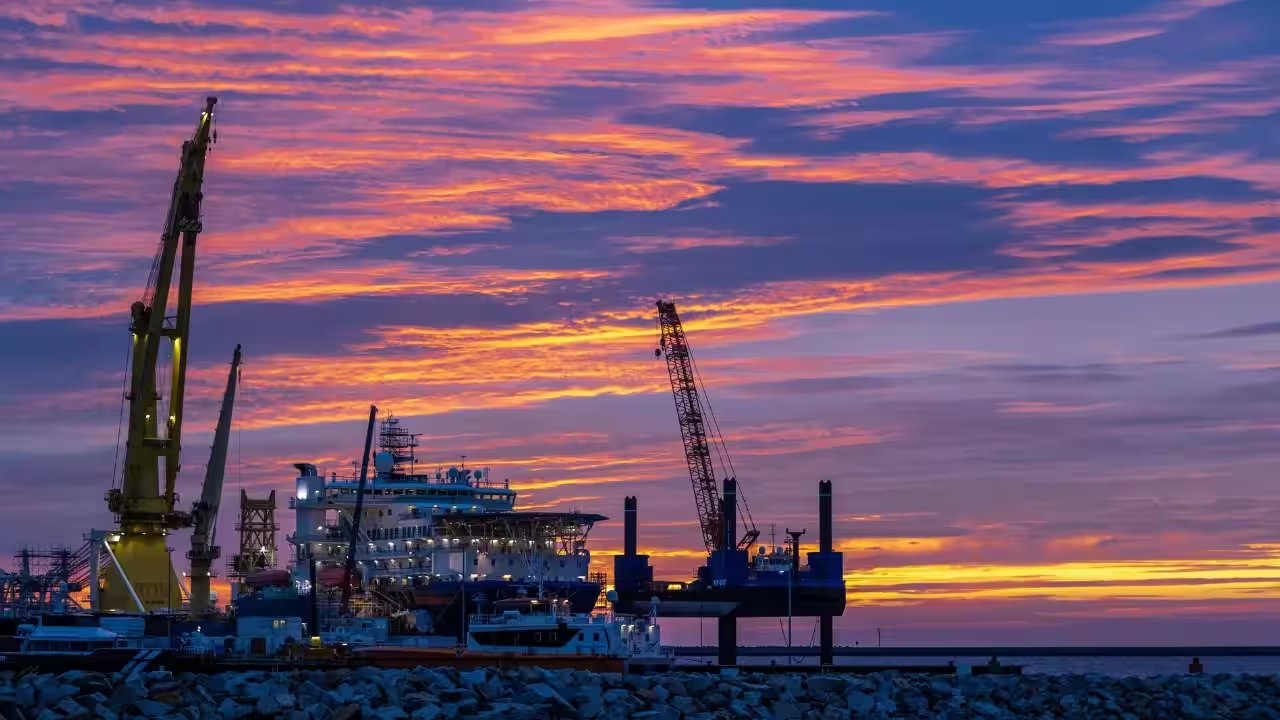
U.S. Special Envoy Jared Kushner met Russian adviser Kirill Dmitriev in Moscow and New York on May 28, 2026 to discuss a U.S. investment in the Nord Stream pipeline, a project that remains under U.S. and EU sanctions.
The meetings, held in both capitals, aimed to explore the possibility of bringing a U.S. investor into the joint venture that once supplied 55% of German gas. A White House official said any deal would have to be negotiated with the U.S. International Development Finance Corporation and Treasury, and must benefit U.S. taxpayers and companies.
Nord Stream 1 and 2, owned 51% by Gazprom and 31% by German entities, were mothballed after Russia throttled supplies in February 2022 and were damaged by underwater explosions in September 2022. The pipelines are currently prohibited for use by U.S. and EU law, making a restart technically illegal.
Germany’s coalition government has publicly opposed reopening the lines, while Alternative for Germany (AfD) has called for a return, and a spokesperson for the German economy ministry said reopening would require government approval and was not desired. Poland and the Baltic states remain firmly against any resumption.
A U.S. official noted that a deal would be unlikely in the medium term because of the sanctions and the political climate, and that President Trump could potentially waive or soften sanctions, a move that would become harder if Democrats win control of Congress in the next month’s midterm elections. The next steps will involve negotiations with the DFC and Treasury, while European leaders prepare to defend their current energy diversification strategy.
Meanwhile, discussions have also touched on Lukoil assets, with Kushner and Dmitriev examining the sale of Russian refineries and petrol stations in Europe, a move that could further complicate the geopolitical landscape.