Solar for AllEPAJudge Mary McElroyRenewable EnergyFederal Court
Judge McElroy Orders Revival of Canceled $7 Billion Solar for All Program
Published: September 27, 2026
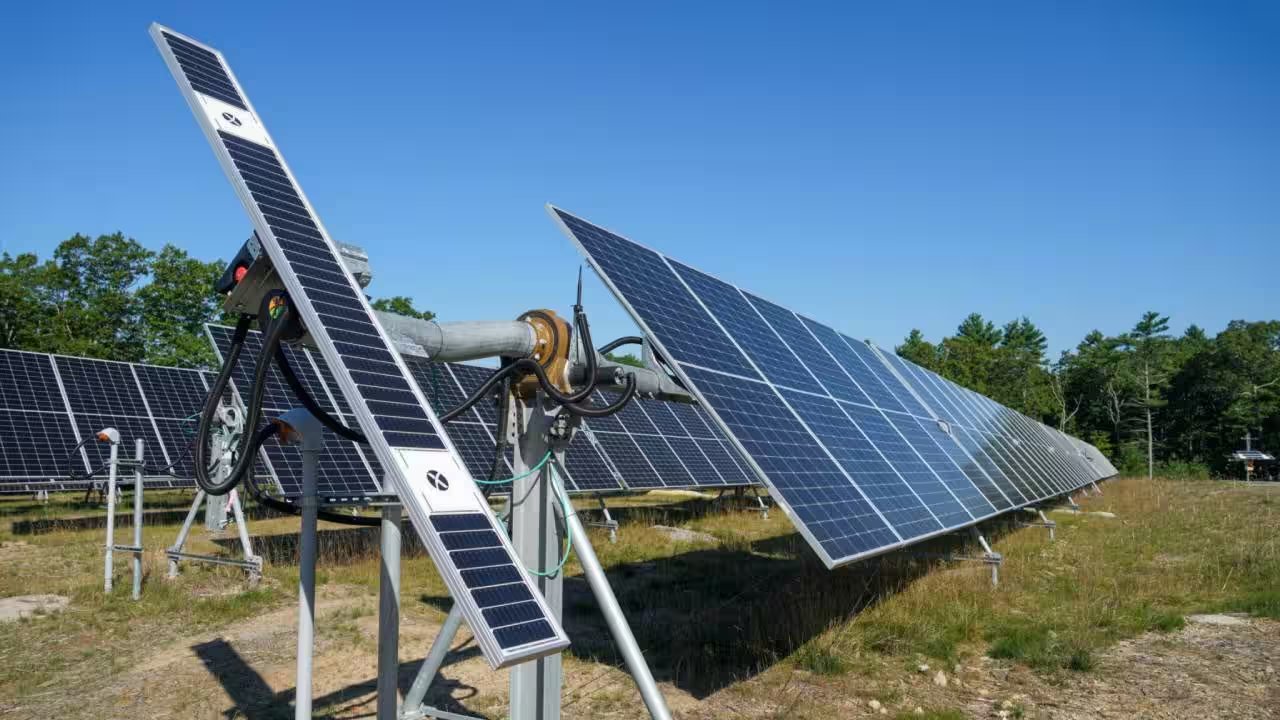
U.S. District Judge Mary S. McElroy ruled that the EPA illegally terminated the $7 billion Solar for All program in August 2025, ordering the agency to revive the initiative. The EPA is currently reviewing the decision to determine if it will appeal, leaving Rhode Island's $49.3 million allocation in legal limbo.
U.S. District Judge Mary S. McElroy ordered the federal government to resurrect the $7 billion Solar for All program, ruling that the Environmental Protection Agency overstepped its authority when it canceled the initiative last August. The decision, issued in the U.S. District Court for Rhode Island, marks a significant legal victory for a coalition of union laborers, solar installers, and homeowners who challenged the termination. They argued that the agency’s move violated the statutory framework established under the 2022 Inflation Reduction Act.
The EPA halted the program shortly after President Donald Trump took office, citing the One Big Beautiful Bill Act. Regulators claimed the new legislation rescinded congressional authority for the grants, allowing the government to claw back unspent funds. Judge McElroy rejected that logic. She determined in her ruling that funds already obligated to states, tribes, and nonprofits did not automatically become unrestricted cash simply because Congress repealed the underlying statutory provision. The court found the agency’s interpretation of the repeal too broad and legally unsound.
For Rhode Island, the stakes are tangible. The state Office of Energy Resources had already allocated approximately $49.3 million of the national pot. State officials spent about $89,000 on administrative preparation before the funds were frozen. Robert Beadle, a spokesperson for the office, confirmed the state is waiting for clarity before moving forward. “We need to know the outcome of the legal challenge before proceeding,” Beadle said. The uncertainty has stalled projects that were poised to launch, leaving local contractors and low-income households in a holding pattern.
The broader impact of the program’s revival could be substantial. The Biden administration originally projected the five-year initiative would help 900,000 households save $350 million annually on energy bills while creating 200,000 jobs. Patrick Crowley, president of the Rhode Island AFL-CIO, emphasized the workforce implications. “We already have trained tradespeople to start doing this work,” Crowley said. The cancellation had disrupted preparations by nonprofits and businesses involved in solar installation, financing, and education, leaving skilled electricians and ironworkers without the project pipeline they had planned for.