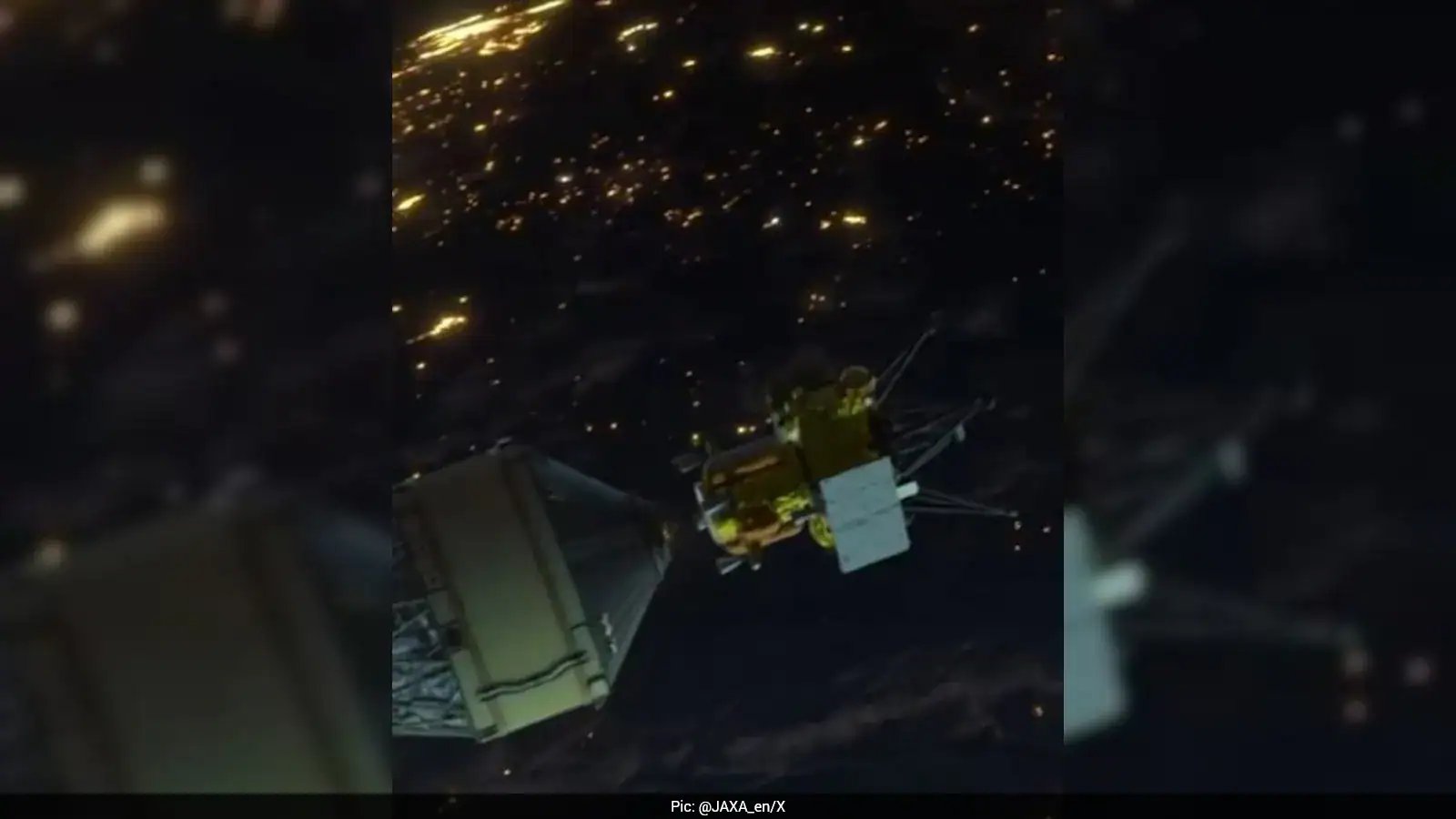
JAXA’s MMX probe blasted off from Tanegashima at first light, its 5‑ton craft cutting a silent arc toward Mars as crewed launch teams cheered.
The probe will rendezvous with Phobos by late summer, then deploy the Idefix rover—no larger than a microwave—to scout the moon’s rugged terrain before the mothership locks down for a two‑hour sampling run in late 2028 or 2029.
Five agencies—Japan, NASA, ESA, CNES, and the German DLR—share a $578 million budget, each contributing 5–10 % of the total, underscoring the international appetite for Martian moon science.
Scientists hope the dust, soil, and rocks will reveal whether Phobos and Deimos are captured asteroids or remnants of a colossal impact, and whether they hold clues to the early Martian atmosphere.
If the landing succeeds, a 10‑gram sample will be lofted into a re‑entry capsule that will splash down in Australia’s desert in 2031, becoming the first material from the Martian system returned to Earth.