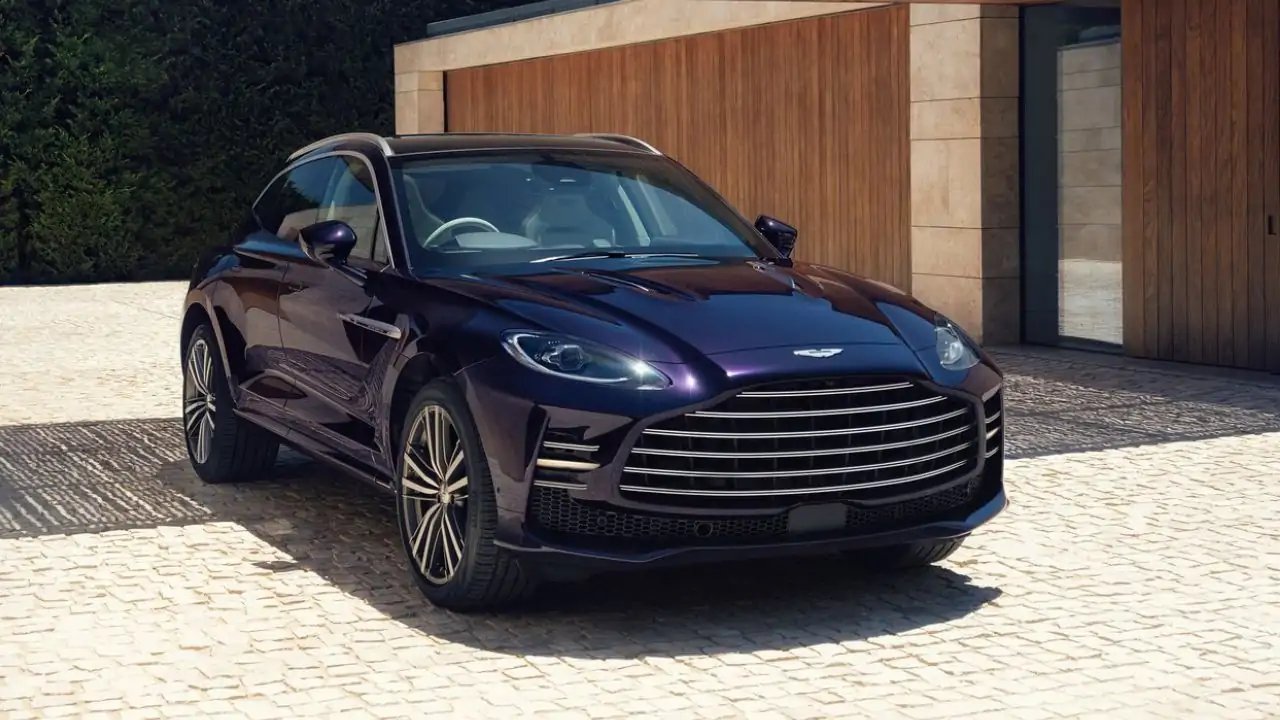
Aston Martin has rolled out the DBX GT, and the headline number is 717 hp from a 4.0‑liter twin‑turbo V8. The engine, identical to the DBX S, slings the SUV from 0 to 100 km/h in just 3.1 seconds and tops out at 311 km/h, all handled by a 9‑speed wet‑clutch gearbox. For the driver, that means instant torque and a raw acceleration feel that keeps the brand’s performance pedigree alive.
The interior shift is where the GT really differentiates itself. Seats now boast a 10 mm layer of memory foam and two individually sculpted positions, turning the cabin into a lounge that can still feel like a cockpit. A panoramic glass roof comes standard, and the overall sound‑proofing—acoustic laminated rear glass and extra insulation—boosts the Articulation Index by 13%, making conversations inside the car a breeze. Buyers who have gravitated toward the DBX S for its punch will find the GT a sweeter daily ride.
Outside, the two‑piece metal side strake and new double‑vane grille give the GT a more refined silhouette, while 22‑inch forged wheels with satin titanium detailing are standard; an optional 23‑inch set in Pirelli P‑Zero or Scorpion Zero offers a sportier stance. The horizontal quad exhaust finishers and redesigned vents hint at the brand’s attention to detail. In the luxury SUV arena, the DBX GT sits just below the Range Rover Sport and rivals the BMW X5 M in terms of styling cues, though it leans more toward raw performance.
The model debuted at the 2023 British Motor Show, but it won’t hit the Indian roads until late 2024. Initial deliveries are slated for Delhi and Mumbai, with other metros following in Q1 2025. Buyers can expect the same pricing strategy as the DBX S, which sits above the ₹45 lakh threshold, but the added comfort features may justify a premium.
With India pushing for high‑performance internal‑combustion vehicles amid a growing EV push, the DBX GT’s arrival underscores the market’s appetite for luxury SUVs that don’t compromise on power. Its launch will also test how quickly premium buyers will shift from electric offerings back to high‑output petrol models in the high‑end segment.