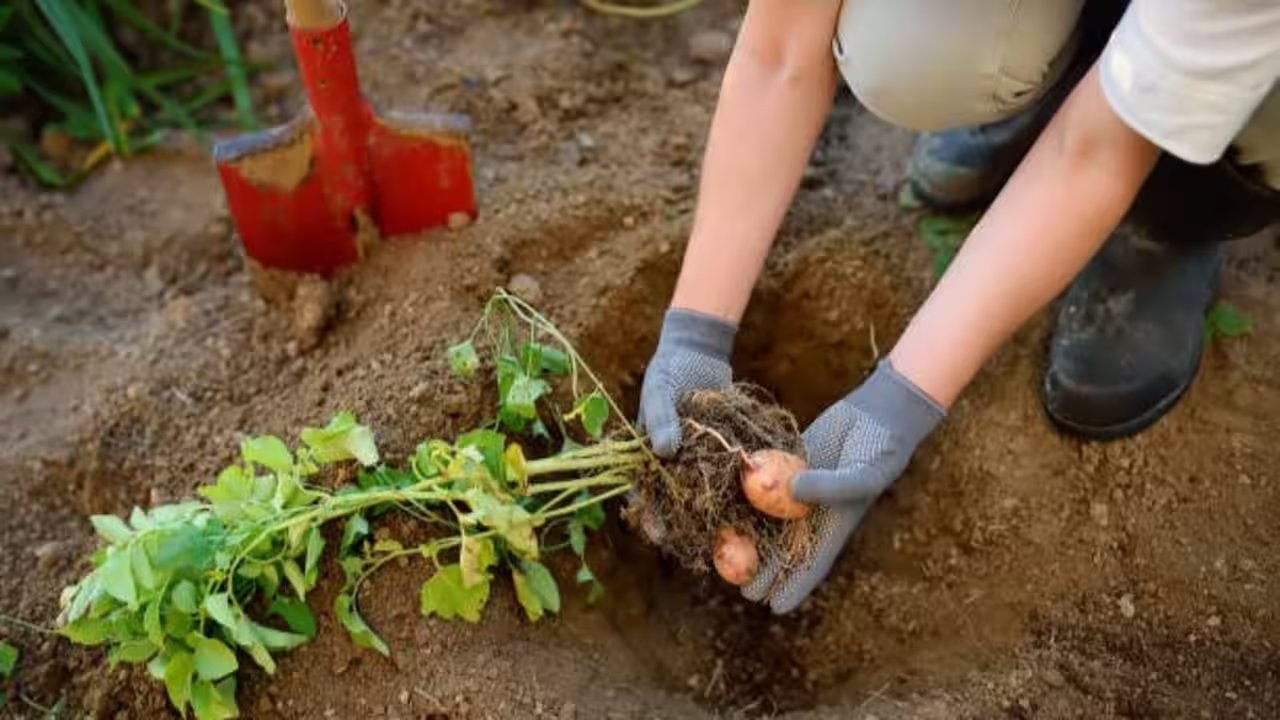
Skip the spring rush. For a lot of gardeners, especially in parts of India where winters aren't brutal, October and November are the sweet spot for planting. The soil is still warm from the summer heat, but the air has cooled down enough to keep pests at bay. This window gives the tubers a gentle start. They settle in without the stress of high humidity or the threat of immediate rot that plagues summer plantings.
Now, don't just grab a random spud from the grocery store. Those are often soaked in sprout inhibitors and can carry disease. Head to a nursery and pick up certified seed potatoes. You want them firm, with distinct 'eyes' and absolutely no soft spots. If a potato is bigger than an egg, slice it into chunks—making sure each piece has at least two eyes. Let those cuts dry out for a day or two. That callous layer protects them from rotting once they hit the dirt.
Potatoes are picky about their bed. They need loose, light soil where the tubers can swell without hitting a wall. Loosen the ground to about ten inches deep and mix in some well-rotted manure or compost. Avoid fresh manure; it’s too hot and causes scabby, ugly skins. If you’re planting in pots, make sure the container is deep and has drainage holes. Waterlogged soil is the enemy here. It’s the fastest way to turn a green shoot into a brown, mushy mess.
Dig your holes four inches down and place the pieces with the eyes facing up. Give them space—about ten to twelve inches between plants and two feet between rows. Here’s the trick that makes the difference: as the green shoots grow to about six inches, start piling more soil around the stems. Gardening folks call this 'hilling.' It’s not just busywork. It shields the developing potatoes from sunlight. If they see light, they turn green and taste like bitter soap.
Keep the soil moist but not soggy, and lay down a layer of straw or dry leaves to keep the temperature steady. When those leaves start to yellow and die, dig them up. Let them dry in the shade for a bit before tossing them in a cool, dark corner. You’ll be surprised how much better they store than the spring crop.