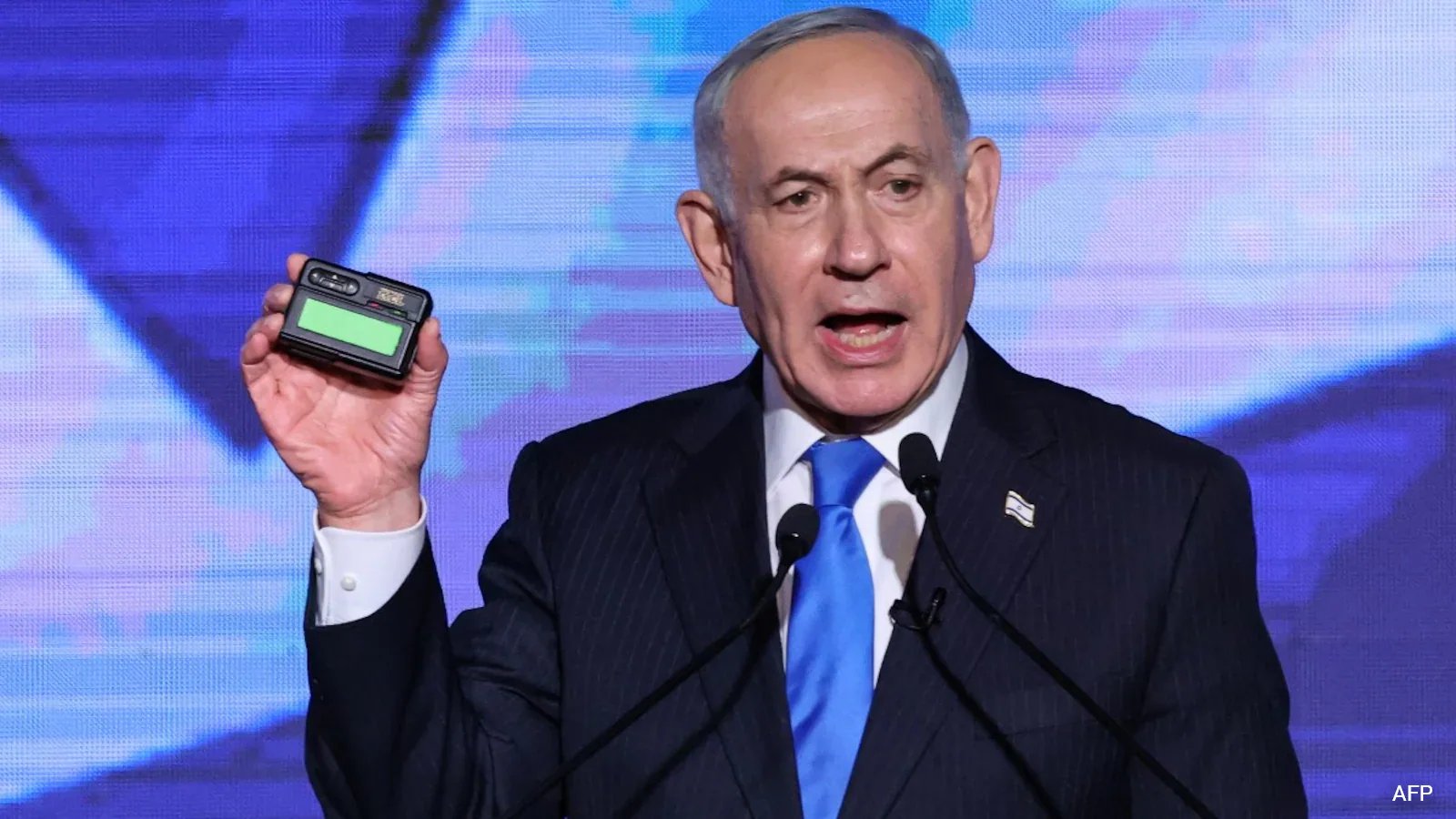
Netanyahu held up a small, black pager at the UNGA podium, saying the device was “weaponised” and that Tel Aviv had been fighting on multiple fronts for years. The reference was to an attack that occurred September 17‑18, 2024, when thousands of pagers and walkie‑talkies exploded in Beirut, killing 20 Hezbollah operatives and injuring more than 3,000 others.
The devices were laced with 6‑gram charges of PETN, hidden between battery cells so that X‑ray scanners missed them. Mossad agents had engineered the explosive payload months before Hezbollah purchased the gear, according to a CBS interview with a retired agent who worked on the project.
Hezbollah immediately blamed Israel, and the Lebanese Health Ministry sent emergency teams to treat the wounded. Israel neither accepted nor denied responsibility for weeks, but in November 2024 Prime Minister Netanyahu confirmed he had given a green light to the operation, citing intelligence reports that the explosives were triggered by a signal from Hezbollah leadership.
The UN Security Council is slated to convene an emergency session next week to address the escalation, while the United Nations Human Rights Council plans to launch an inquiry into the attacks. Israel’s move signals a willingness to deepen its campaign against Hezbollah, and the international community watches closely for further fallout.