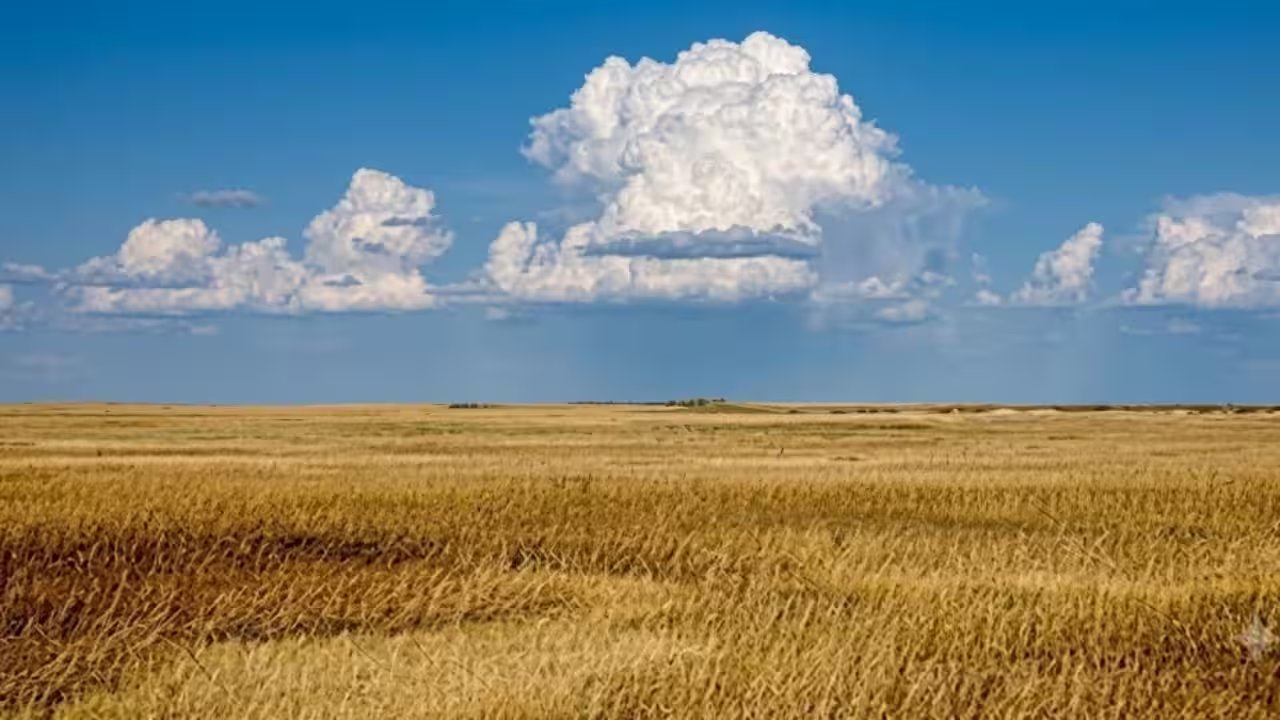
The restoration began in 2008 when corn was harvested, the field was burned, harrowed, and seeded with 176 species collected on site. Over the next two years, stewards added 99.5 pounds of hand‑overseeded material, bringing the total to 192 species across dry‑mesic, mesic, and wet‑mesic mixes.
In 2025, a revisit by the Grassland Restoration Network recorded 134 of those 192 species, a 70% survival rate after fifteen seasons of prescribed fire and weed control. The survey also noted 30 native species that were not part of the original seed mix and seven non‑native species growing in scattered patches.
The survey highlighted differential success among habitat types: 84% of facultative upland species, 64% of facultative wet species, and only 53% of obligate wetland species were present. Carex, a genus planted in eight species, survived in only three.
Stewards continue to manage the prairie with bi‑annual prescribed burns, targeted seedings, and monitoring of invasive species such as white sweet clover and reed canary grass. The next scheduled burn is set for late October 2026, with a monitoring plan to assess plant community shifts.
The project exemplifies how long‑term restoration can yield resilient ecosystems. Local farmers who once tilled the land now observe a thriving habitat that supports pollinators and native fauna, underscoring the value of sustained ecological stewardship.