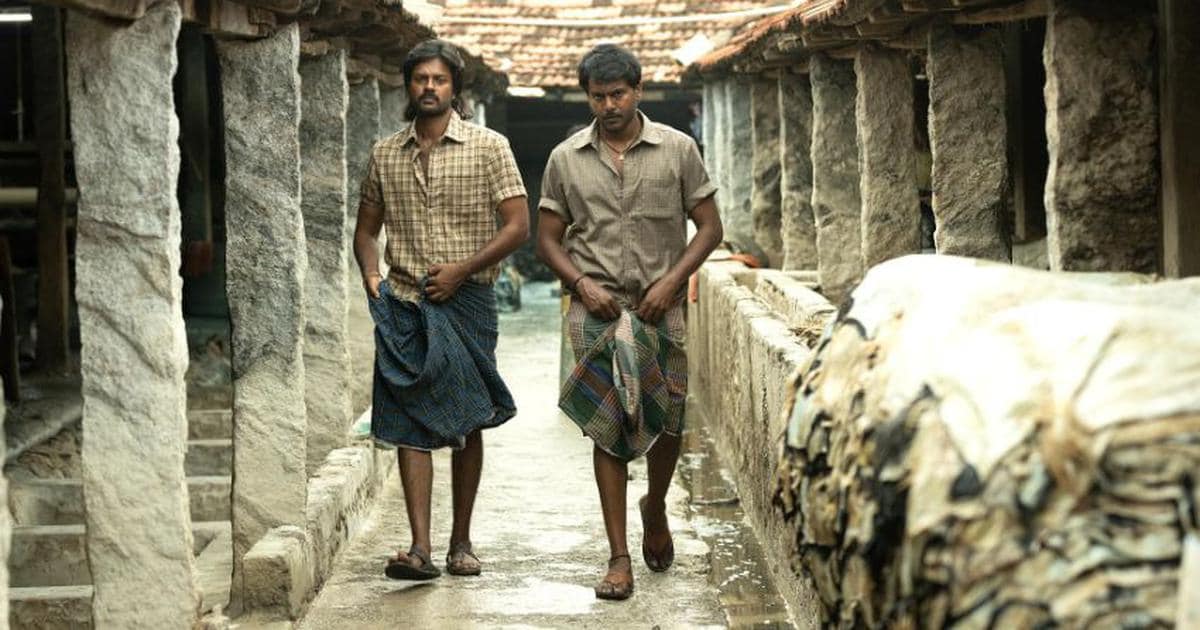
Dorothy is a Tamil drama thriller that dropped this week, following two childhood friends in 1990s rural Tamil Nadu and centering on Keerthy Suresh’s character who rattles the village. Karthik Subbaraj’s tenth feature pairs Ilaiyaraaja’s haunting score with a single‑shot sequence that has already become a talking point among cinephiles.
But the praise isn’t the whole story. A Twitter user piled on 2,500 likes for a tweet calling the soundtrack "top‑notch" and the interval block "perfect," adding that the film "delivers every scene on her shoulders," showcasing Keerthy's subtle power. This positive buzz was quickly counterbalanced by a wave of criticism over the film's depiction of LGBTQ+ characters.
The backlash grew as users demanded a boycott, with a single post amassing over 10,000 retweets condemning the film for "forcing" queer narratives. One tweet read, "Guys, please don’t encourage these types of movies. Let’s boycott #Dorothy." The tone was raw, even a user quoted a line from a trans woman character that sparked further outrage. The hashtag #Dorothy exploded across X, drawing attention from activists and critics alike.
Yet, not everyone is in a shouting match. Some viewers argue that the film merely depicts reality, noting the rural setting's inherent complexities. They point out that the drama is "the most grounded and realistic film yet" from Subbaraj, and that the story explores masculinity and caste without pandering. The debate shows how a single scene can ignite national conversation about representation.
As the film continues to play in theaters, box‑office numbers will tell if the boycott has tangible effect. If the film pulls in ₹30 crore in its first week despite the Twitter storm, it could signal that audiences are still willing to watch. For now, the conversation around Dorothy remains as gritty as the film itself, proving that cinema can be both a mirror and a flashpoint.