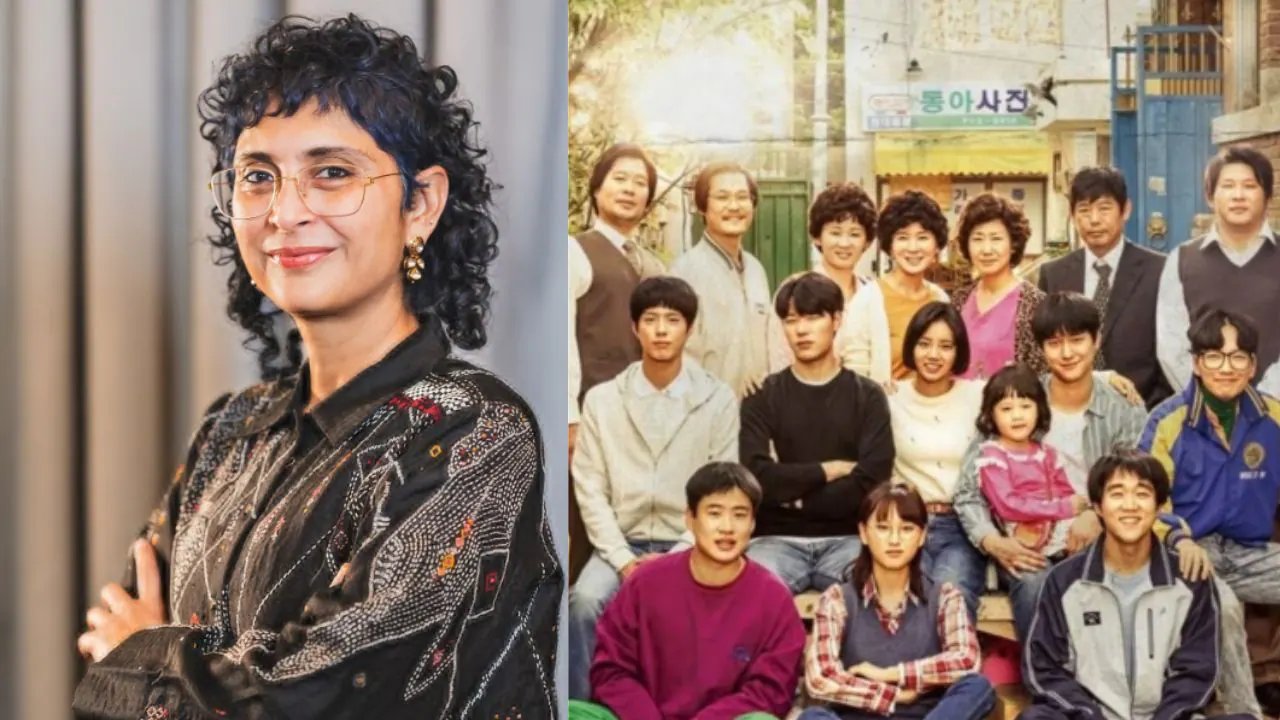
Kiran Rao just spilled the beans on The Popcorn Hour podcast, saying she wants to bring the Korean classic Reply 1988 to Indian screens. She’s not pulling a random script; she’s after the slice‑of‑life feel that made the show a cult hit back in 2015.
The crux of Reply 1988, Rao notes, is its older cast—mothers, fathers, side‑kicks—driving the narrative with their own worries and dreams. That “real‑talk” vibe she loves could translate into a Kolkata neighbourhood, she muses, where “para” is just how locals refer to a block. It’s a fresh take on community drama.
The original series ran for 20 episodes, weaving through 1988 to 1995 and anchored by Seoul’s Ssangmun‑dong during the Olympics. Those years were a cultural inflection point for South Korea, and the show captured that energy with a gentle, almost nostalgic lens. It’s the kind of era‑drama that fans now crave.
Translating that to India means re‑imagining the 1980s Indian sub‑continent’s own pulse—cables, cassette players, the first mobile phones, and the bustling street markets. Rao sees an opportunity to highlight generational tensions, but also to showcase how families, much like the original Korean cast, navigate love, ambition and loss.
The challenge? Language, music, and the delicate balance between homage and originality. Rao’s past work—like the intimate, low‑budget “Sufiyah” and her forays into short films—shows she can handle nuanced storytelling. If she partners with a seasoned writer, the remake could feel both fresh and familiar.
So what’s next? Rao said she’s already in talks with a production house that’s open to cross‑cultural projects. If the script takes shape, we might see a 1980s‑set Indian “para” that feels as real as Seoul’s alleyways. The world’s watching; the next chapter could be a new kind of nostalgia film for India.