DelhiClimateAir QualityWeatherStubble Burning
Delhi's Safdarjung Station Records Coldest October Minimum at 17.1°C, 1.3°C Below Average
Published: October 19, 2026
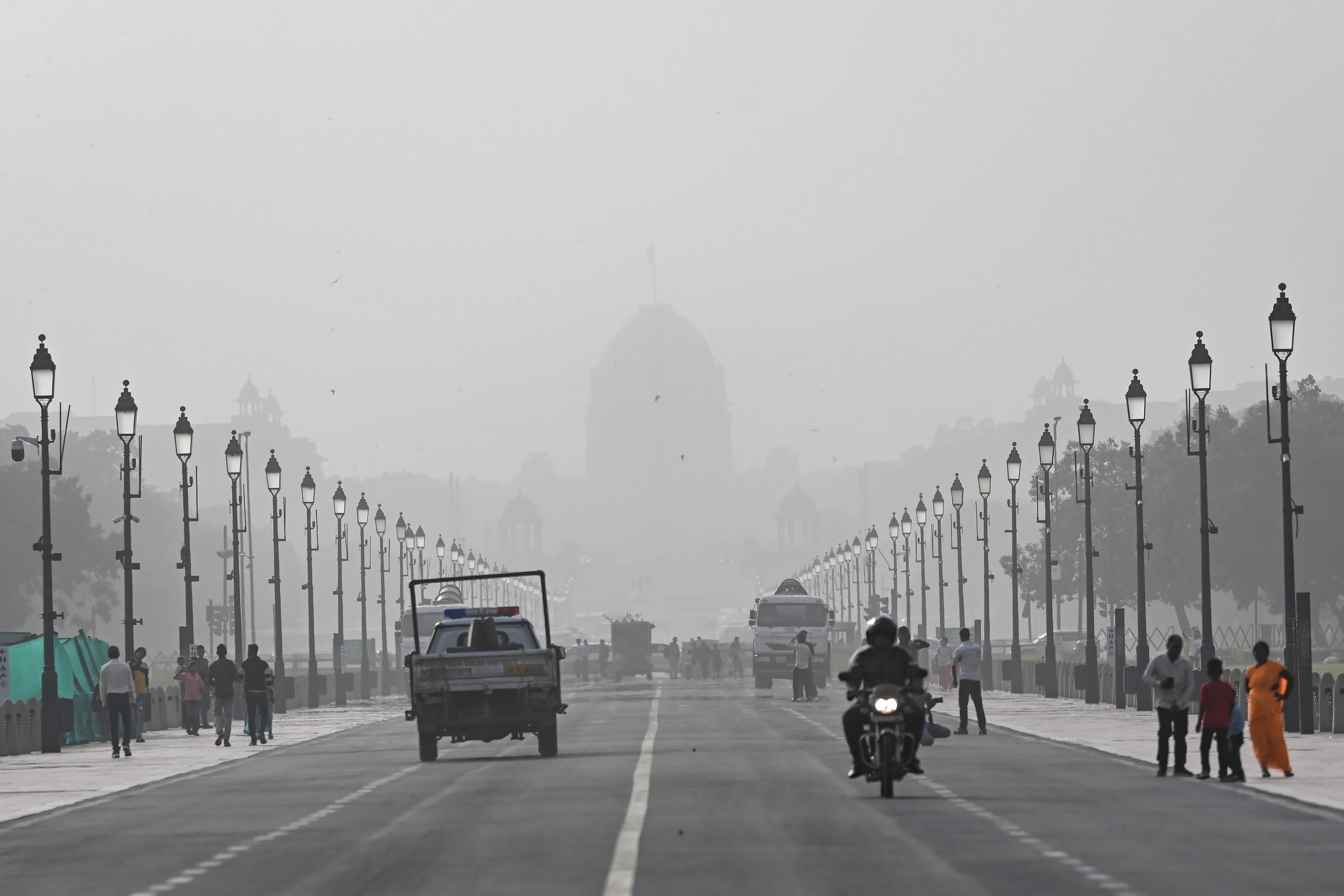
Delhi's Safdarjung weather station recorded a 17.1 °C minimum on Monday, 1.3 °C below the month's average. The Central Pollution Control Board warns air quality will turn 'poor' by October 21, prompting urgent health advisories.
On Monday, Delhi's Safdarjung weather station registered a 17.1 °C minimum, the coldest October night in the capital, 1.3 °C below the monthly average. The India Meteorological Department also logged a 31.7 °C maximum that day, a modest rise over the mean for early October, while the Central Pollution Control Board placed Delhi's 24‑hour average Air Quality Index at 139 at 4 p.m., classifying the city as 'moderate'. Of the 58 monitoring stations that reported data, two recorded 'poor' air quality, six 'satisfactory', and the rest 'moderate', with Pusa registering the highest AQI at 281. The CPCB warns that a low ventilation index of under 6,000 m²/s and wind speeds below 10 km/h will trap pollutants, pushing the AQI into the 'poor' range on October 21 and 22; satellite imagery from the ICAR laboratory recorded 98 stubble‑burning events across six states on October 19, 27 in Uttar Pradesh, 25 in Punjab, 24 in Rajasthan, 18 in Uttarakhand and four in Madhya Pradesh. Health officials in Delhi are urging residents to limit outdoor activity and use N95 masks as the air quality forecast dips, while the city council plans to intensify monitoring and enforce stricter penalties on illegal burning.