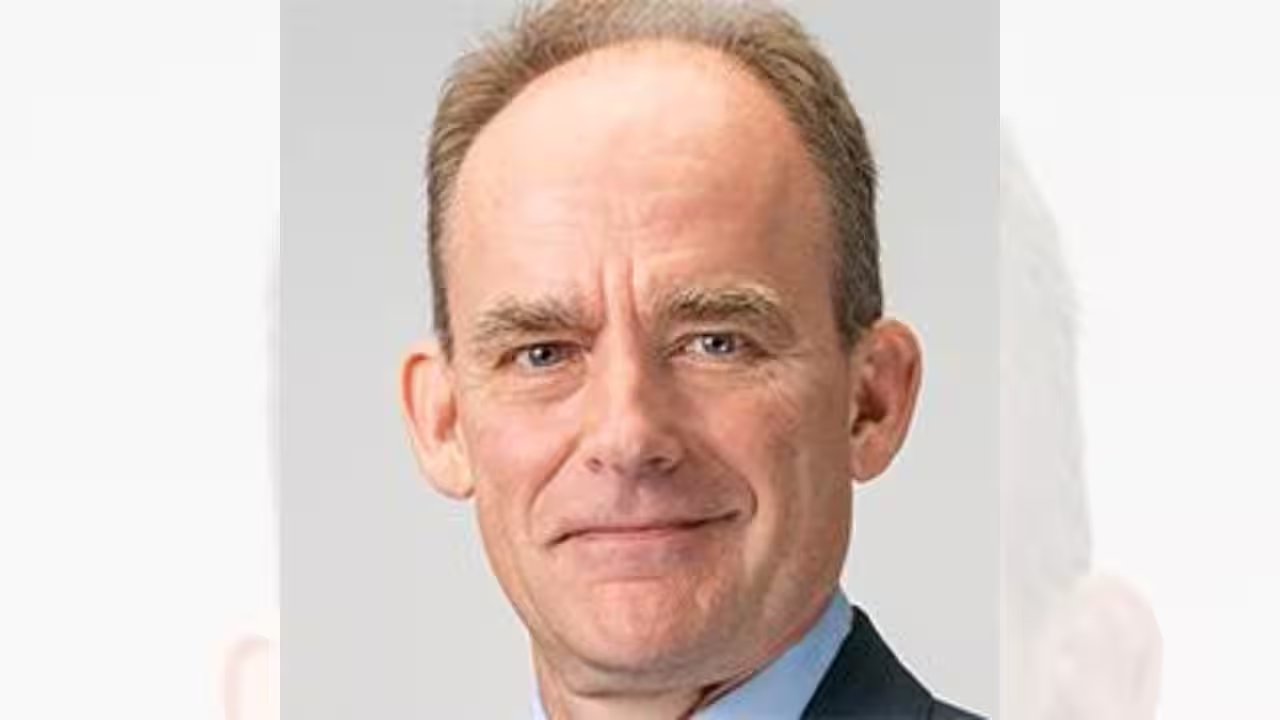
Paul Grunwald, chief economist for S&P Global, flew into New Delhi on Tuesday to brief the Indian media about the inflationary headwinds gripping the global economy. He warned that inflation is now sticky, with price pressures forcing central banks to lift rates to capture the cost of an $800 billion debt issuance by hyperscalers this year. He said the AI‑driven demand shock is pushing output up while pushing prices higher, leaving little room for easing. NEWPAR Grunwald contrasted India’s trajectory with China’s overcapacity, noting that the manufacturing baton has passed to India, which now has a more diversified industrial base. He mused that services, powered by AI, could become as tradable as manufactured goods if productivity gains materialize. He added that India’s big domestic market might accelerate that shift. NEWPAR He also flagged that bond yields remain led by the US, but the private sector is now crowding out governments, a reversal he said will further tighten the long‑end of the yield curve. He called the current cycle a "higher‑interest‑rate world" due to the inflation shock, citing crude prices that spiked to $120 a barrel before easing to $100, and the ripple into diesel and jet fuel. NEWPAR In response to the speech, the Reserve Bank of India is slated to announce its next policy mix on March 30, with market participants already pricing in a 25‑basis‑point hike. Grunwald urged the RBI to keep rates on the rise until inflation eases below 4 %. NEWPAR On the ground, a 47‑year‑old textile shopkeeper in Ahmedabad feels the pinch from higher input costs, hoping the RBI’s tightening will eventually lower his customers' prices. The RBI’s decision next month could, therefore, shape the livelihoods of thousands of small‑scale workers across the country.