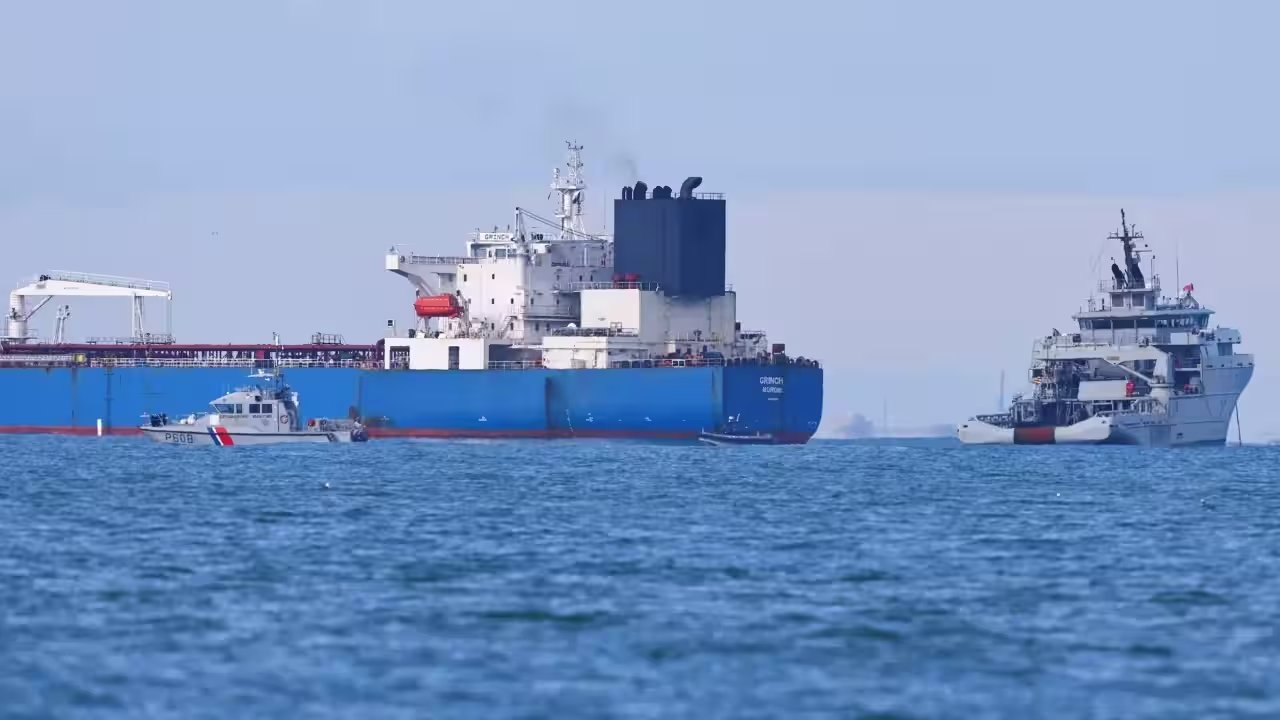
Saudi Aramco told customers on Monday evening it had reopened its October loading window at Yanbu, the kingdom’s primary Red Sea crude export hub. This confirmation, sourced from an Asian refiner, ends a nine-day halt in exports that began when drone strikes crippled the East-West Pipeline. The refiner, which loaded a cargo from the port late last week, signaled the operational restart is complete.
The pipeline, which funnels crude from the Eastern Province to the Red Sea, shut down on September 11 following attacks that Saudi Arabia attributed to Iraqi militias. Operations resumed last Tuesday, but the delay in confirming tanker loadings kept traders on edge. With the US-Iran conflict already throttling other oil shipments from the region, every barrel that can move is scrutinized for its impact on the global supply balance.
Market reaction was swift. Oil prices dipped Monday as traders absorbed the news that Yanbu flows were back online. The port’s restart adds to a broader picture of stabilizing West Asian exports, offering a slight reprieve from the supply shocks that have plagued the market this month. Aramco did not immediately respond to requests for comment on the specific volume of the first post-restart cargoes.
The situation remains fragile. While the pipeline is running, the threat of further drone activity from Iraqi militias persists. Analysts will watch closely whether other Red Sea ports follow suit or if insurers adjust risk premiums. The next critical data point will be the actual physical movement of tankers in the coming days, which will confirm whether this is a sustainable normalization or a brief interlude.