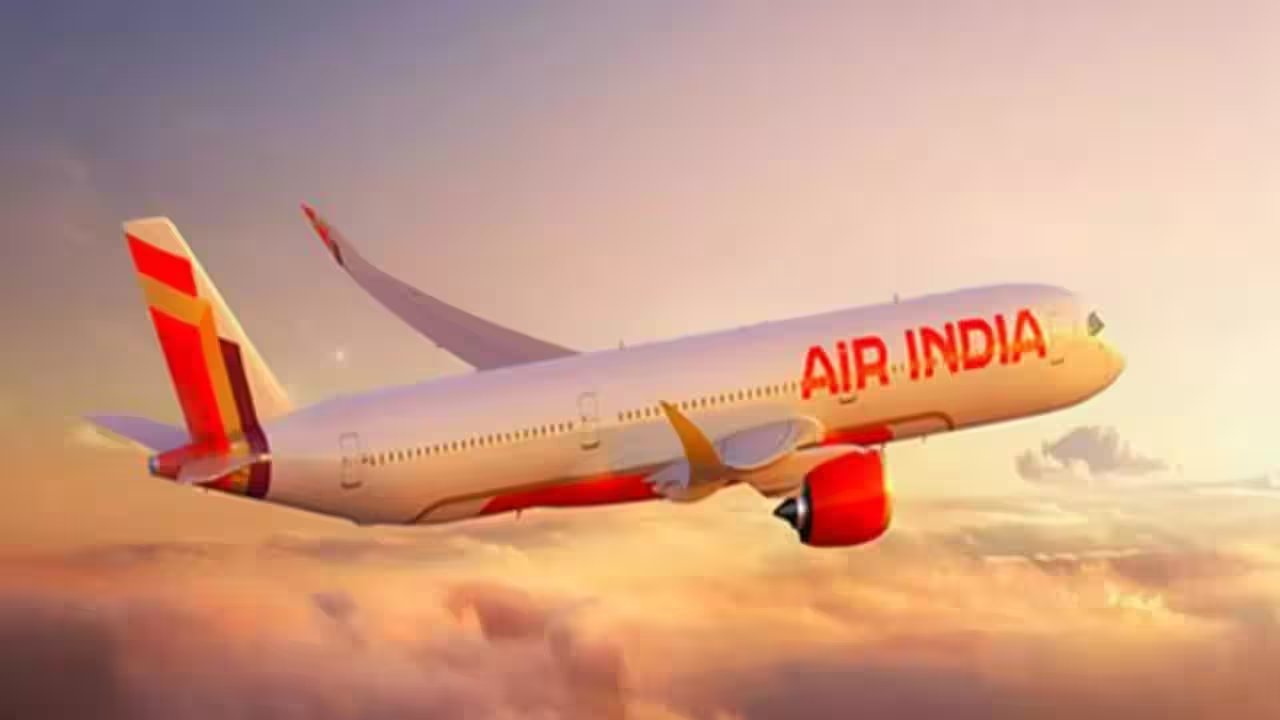
A punishing 56% surge in jet fuel expenses hammered Singapore Airlines Group during the first half of the financial year, driving net profit down 44% to ₹979 crore despite aggressive cost-cutting that narrowed losses at its affiliate Air India.
SIA’s aviation turbine fuel bill shot up to ₹29,038.5 crore over the six-month period. That operational shock offset gains from surging passenger volumes, knocking group earnings down from the ₹1,746 crore recorded during the same period last year. Yet the carrier gained critical breathing room from its Indian associate. Air India's operational discipline trimmed SIA's share of the Indian carrier's losses by 16% to ₹2,643 crore, down from ₹3,138 crore a year earlier.
The math reveals a turning tide in New Delhi. Air India Group's aggregate first-half losses contracted 16% to ₹10,530 crore, down from ₹12,502 crore in the corresponding period last fiscal.
Fuel costs dictated the balance sheet. Aviation turbine fuel spikes erased hefty operational margins across Southeast Asian corridors, pulling down overall group returns.
But the second quarter showed abrupt quarterly resilience. SIA Group delivered a net profit of ₹1,534 crore in the second quarter, climbing 33% from ₹1,154 crore during the corresponding period last fiscal. The turnaround gathered steam from firmer operating profitability and a substantially reduced drag from associated companies, led by an ₹804 crore positive swing in Air India’s operational trajectory.
| Financial Metric | H1 Current Fiscal | H1 Previous Fiscal | Shift (%) |:---|:---|:---|:---|SIA Group Net Profit | ₹979 crore | ₹1,746 crore | -44% |SIA Group Jet Fuel Bill | ₹29,038.5 crore | ₹18,614.4 crore | +56% |SIA Share of Air India Losses | ₹2,643 crore | ₹3,138 crore | -16% |Air India Group Aggregate Losses | ₹10,530 crore | ₹12,502 crore | -16% |SIA Q2 Standalone Net Profit | ₹1,534 crore | ₹1,154 crore | +33% |
Tata Sons and Singapore Airlines continue to pump capital and operational restructuring into Air India’s turnaround roadmap. Operational integration between full-service Air India and low-cost subsidiary Air India Express formed the backbone of the cost-cutting initiative.
SIA framed its equity participation in the airline as an indispensable anchor for regional connectivity, viewing India's market as an engine to power growth alongside its Changi Airport stronghold.
Air India has made tangible progress in its multi-year transformation, including enhancements to customer experience and operational performance. This has been accompanied by improving customer sentiment… SIA, and its partner, Tata Sons, recognise that a transformation of this scale will take time. Both partners continue to work closely to support Air India’s journey towards profitable growth, including strengthening structural cost efficiencies, unlocking greater synergies between Air India and Air India Express, sharpening its commercial strategy to navigate current external challenges elevating its customer proposition.
Singapore Airlines Group Statement
Executive leadership reaffirmed strategic investments across parent carrier SIA, budget wing Scoot, and the Air India group.
Both carriers are accelerating flight coordination on high-density international trunk lanes. Following a formal commercial cooperation pact inked in January 2026, the airlines rolled out the initial phase of their operational network integration this October.
The partnership opened up scheduled flight frequencies connecting Singapore directly to eight Indian metropolitan hubs, coupled with synced digital booking engines. Reciprocal frequent-flyer benefits kicked off in April 2026, allowing loyalty members across both networks to earn and redeem points on shared routes.
The carriers are now locking in flight slots and regulatory filings for the next expansion phase, with an upgraded tier of cross-carrier loyalty rewards and shared routing scheduled to go live in the second quarter of 2027.