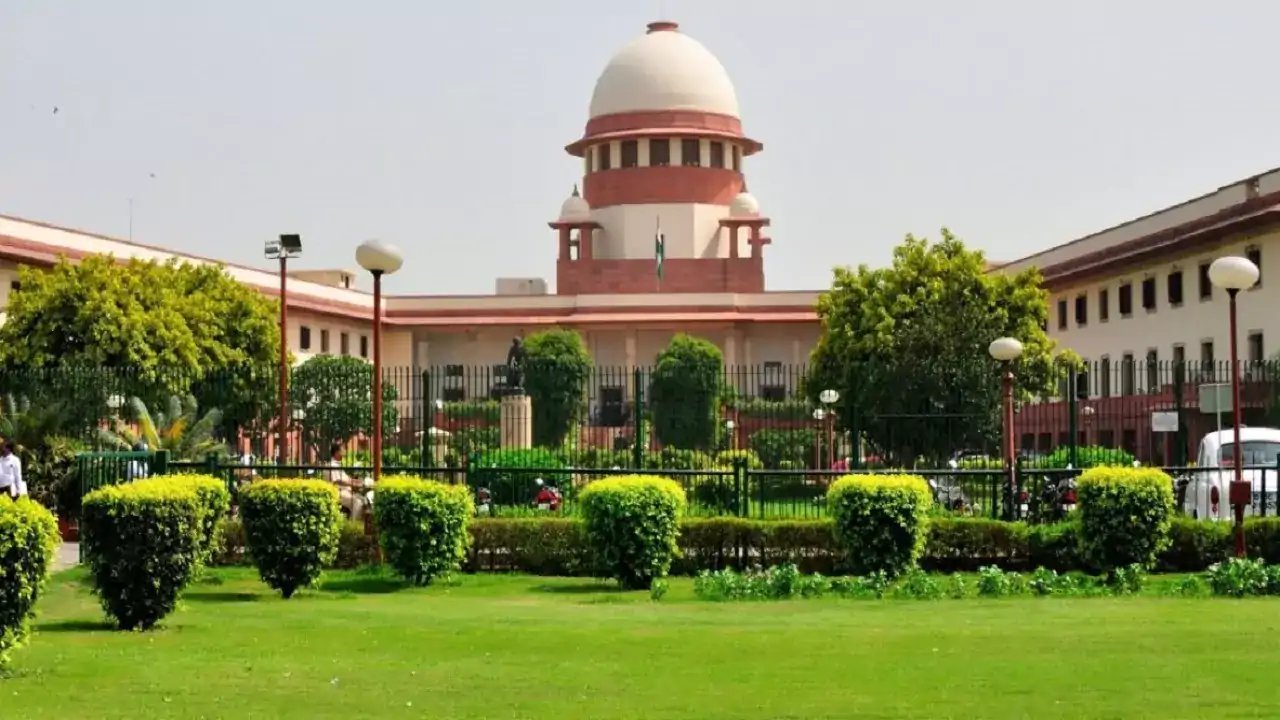
NEW DELHI — The Supreme Court issued a contempt notice on Friday to every office bearer of the Kerala Pradesh Congress Committee over an online attack against Chief Justice of India Surya Kant.
Political rhetoric stops at the courtroom door. A bench comprising Justices Aravind Kumar and Vipul M Pancholi warned that the independence of the judiciary cannot mutate into a tool of political convenience. Freedom of speech under Article 19(1)(a) provides broad constitutional cover, the judges noted, but it offers zero immunity to those attempting to bully the bench. The judges declared that any deliberate attempt to corrode judicial authority demands an immediate, unyielding response from the bench.
"Judgments are always open to criticism," the bench stated. "Freedom of expression can't be a shield of intimidation to interfere with the administration of justice. Howsoever high position a person occupies, any attempt to undermine the authority of the court needs to be dealt with an iron hand."
No political party commands constitutional immunity. The judges noted that the authority of India's courts does not rely on partisan validation or electoral mandates—it anchors entirely to the rule of law. When political functionaries weaponize digital platforms to degrade judicial standing, the legal machinery must strike back decisively.
Yet the dispute had simmered online for days before reaching the bench. The controversy erupted after the official X handle of the Congress party's Kerala state unit published a targeted post against CJI Surya Kant on October 12. The digital attack sparked swift public blowback across social media platforms. Scenting legal danger, the Kerala Congress unit purged the publication from its timeline. Party managers subsequently claimed they fired the handler responsible for uploading the post.
But the digital deletion did not purge the legal liability.
To calibrate the upcoming legal action, the bench appointed a senior advocate as amicus curiae. The court tasked the amicus with examining the evidentiary record to decide whether the publication constitutes civil contempt or warrants aggressive criminal contempt proceedings. The bench also summoned the direct assistance of Attorney General R Venkataramani to steer the constitutional questions at stake.
No dates for personal appearances were finalized during the initial hearing. The Supreme Court now awaits the preliminary review from the amicus curiae and the Attorney General before fixing formal appearance deadlines for the KPCC leadership.