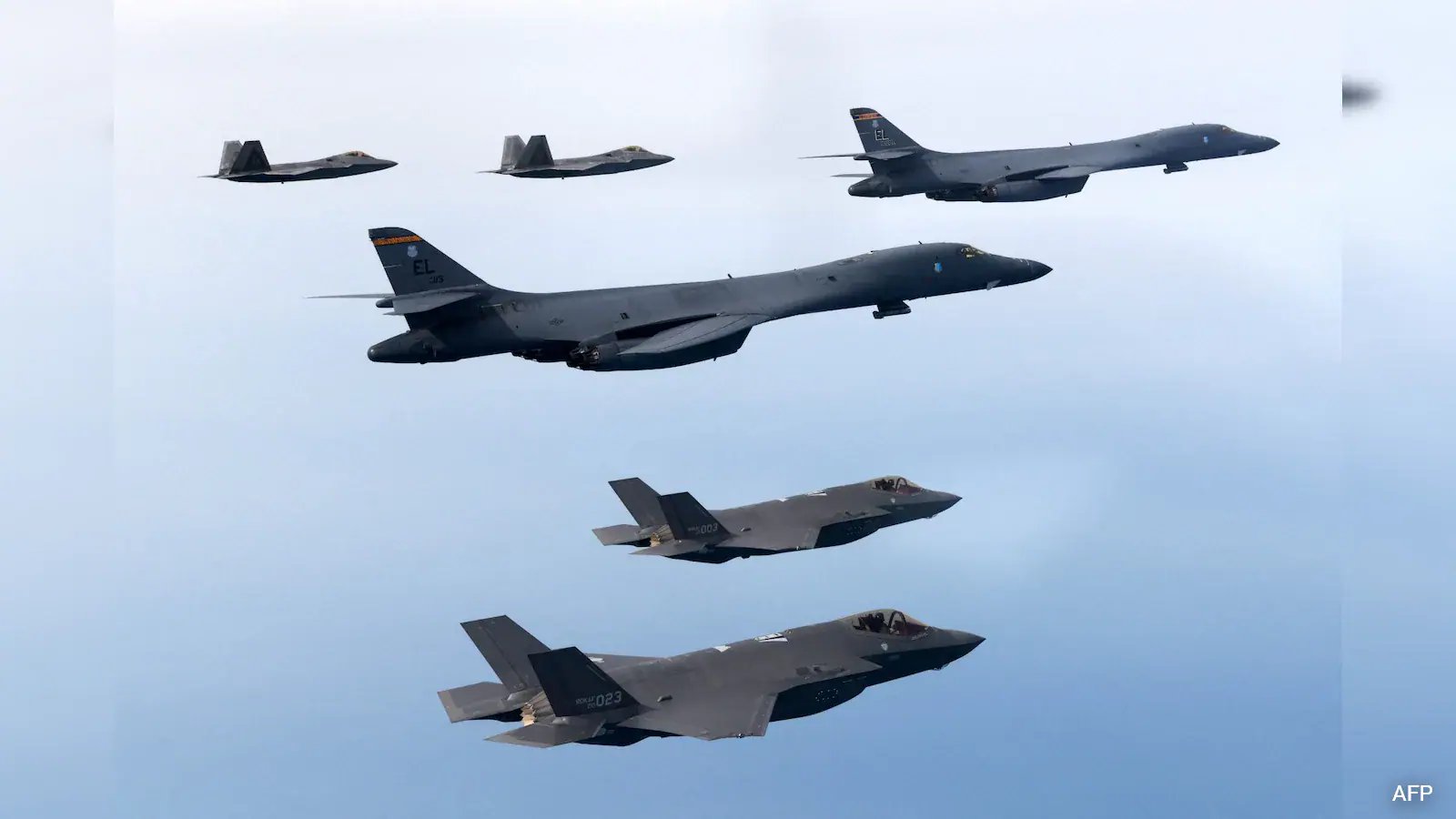
UPS employee missed a warning email, causing a cockpit canopy and weapons‑bay door coated with radar‑absorbing material to be routed through Hong Kong on May 28, 2026. The parts were originally slated to travel to San Francisco via South Korea and Taiwan, but a delay in Australia pushed the shipment onto a faster, but prohibited, Hong Kong route.
The International Traffic in Arms Regulations (ITAR) forbid such parts from transit through countries like China. DSV A/S, acting for Lockheed Martin, had explicitly warned UPS not to route the shipment through Hong Kong, but the alert landed in a different IT system and went unread.
Pentagon officials have opened an inquiry, and the State Department has begun its own probe. Lawmakers across the aisle are demanding a comprehensive review of the U.S. arms supply chain to close loopholes that could let adversaries acquire sensitive technology.
Lockheed Martin said it does not make logistics decisions unilaterally, and that it selects carriers that align with government regulations. The company added that while it cannot detail the specific partner involved, it is working closely with them to implement stronger safeguards.
“It's not good the Chinese now have an F‑35 canopy,” said Diana Maurer, the GAO official overseeing F‑35 support reviews. “I’m sure the Chinese celebrated, and then they got busy trying to reverse engineer it and figure out how to counter it with their own technical capabilities.”
The investigation will conclude in early June, with the U.S. government expected to release findings and propose policy changes that could reshape how sensitive military components are shipped worldwide.