Quincy JonesForbesMusic IndustryEstate PlanningMichael Jackson
Quincy Jones Estate Tops Forbes 2026 Dead Celebrity List With $150 Million Harbourview Sale
Published: November 3, 2026
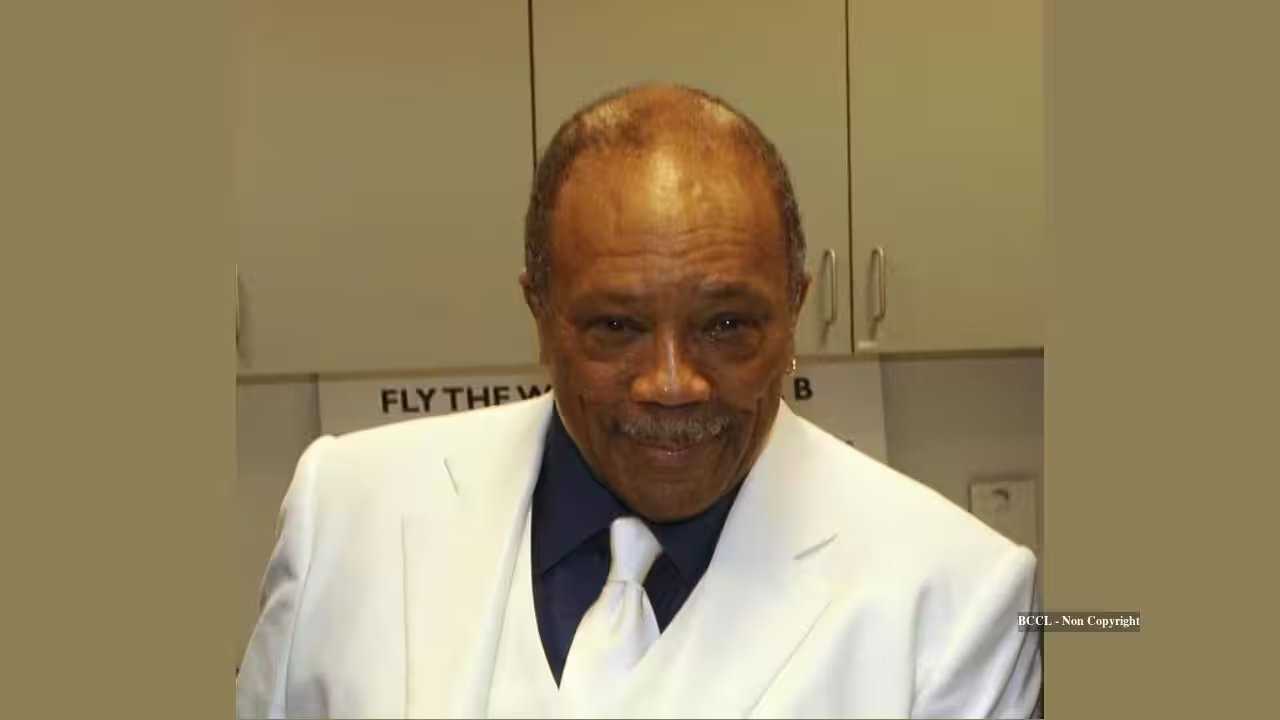
Quincy Jones’s estate generated an estimated $150 million in the past year, securing the top spot on Forbes’ 2026 highest-paid deceased celebrities list. The figure was driven by a massive catalogue sale to HarbourView Equity Partners and a surge in producer royalties tied to the billion-dollar 'Michael' biopic.
Quincy Jones’s estate generated an estimated $150 million between October 1, 2025, and September 30, 2026, dethroning Michael Jackson’s estate to claim the top spot on Forbes’ annual list of highest-paid deceased celebrities. The windfall wasn’t just streaming money. It was the result of a strategic, high-value transaction: in March 2026, the estate sold the vast majority of its interests in Jones’s personal catalogue and publishing rights to HarbourView Equity Partners. That single deal accounted for the bulk of the revenue, placing Jones ahead of Jackson’s estate, which earned an estimated $140 million over the same period.
Why did a music catalogue command a $150 million price tag? The answer lies in the sheer breadth of Jones’s influence. He didn’t just produce hits; he built a brand that spans decades and genres. His portfolio includes producer royalties on Michael Jackson’s 'Off the Wall,' 'Thriller,' and 'Bad,' songs like 'Soul Bossa Nova,' and interests in collaborations with Frank Sinatra, Ray Charles, and Aretha Franklin. Industry insiders told Forbes that HarbourView paid a premium because these assets generate ongoing revenue and carry significant commercial weight. Owning rights linked to one of music’s most respected producers also boosts HarbourView’s reputation for future acquisitions.
The timing of the sale couldn’t have been better. The 2026 release of the 'Michael' biopic became a global phenomenon, grossing more than $1 billion worldwide. That success supercharged interest in Jackson’s catalogue, which directly benefited Jones. He held a 10 percent producer royalty on Jackson’s first three solo albums—tracks that still account for more than two-thirds of Jackson’s annual global streaming total. As the biopic drove streaming numbers and brand licensing revenue for the Jackson estate, Jones’s royalties paid out substantially. It was a rare alignment of asset sale and recurring income that pushed his total past the $150 million mark.
Forbes notes this is only the fourth time since Michael Jackson’s death in 2009 that another deceased celebrity has led the list. The previous exceptions—Elizabeth Taylor in 2012, Roald Dahl in 2021, and J.R.R. Tolkien in 2022—all involved major asset sales, not just organic earnings. Michael Jackson’s estate remains a powerhouse, earning $140 million by investing $25 million in reshoots for the biopic. The estate is expected to receive about 25 percent of the film’s net profits, adding more than $50 million over the coming years. Meanwhile, the 'Michael' film’s success lifted the entire Jackson portfolio, including the Las Vegas Cirque du Soleil show and 'MJ: The Musical.'