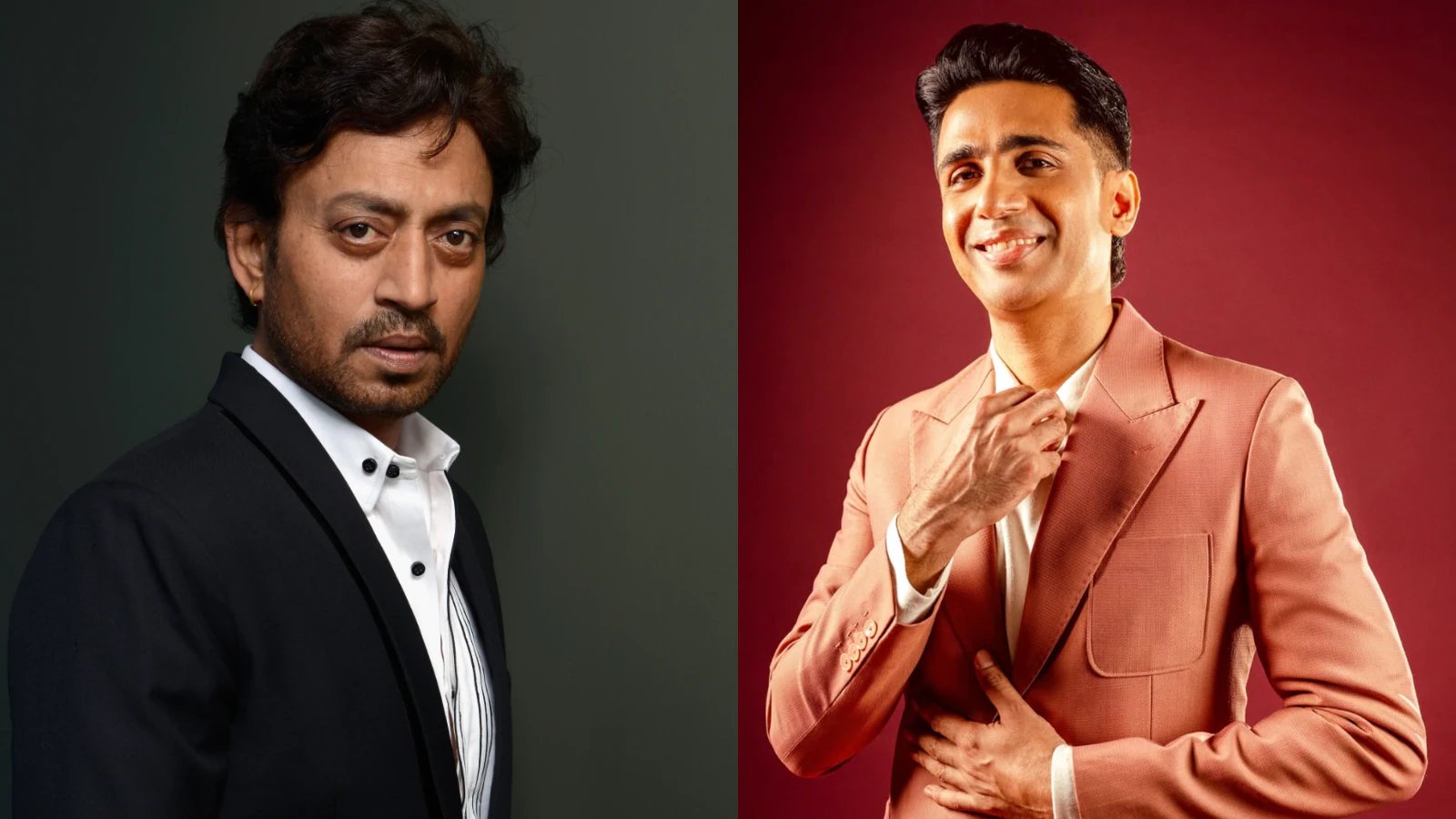
It wasn't a scene from a film that had Gulshan Devaiah in tears— it was a phone call in his living room, the kind of raw, unedited grief that only a shared loss can bring. He didn’t realize how much he’d been carrying a secret admiration until his voice cracked while speaking to his mother. “I was crying on the phone, and my mother said she didn’t know I liked him so much,” he told Hindustan Times, and his reply was a simple, “Yeah, neither did I.”
Devaiah, who first grabbed the spotlight in ‘The Lunchbox’, has always been a self‑made student of cinema, learning by watching the greats and then adding his own flavor. He insists he never tried to mimic anyone, but the subtlety of Irrfan's craft left an imprint on his own approach. “I never try to copy him, but Irrfan was a huge influence on me throughout my career,” he said, adding that he was careful not to let that admiration turn into imitation.
Irrfan’s hallmark was his ability to hold an audience in suspense with just a glance or a pause. Devaiah recalls, “Irrfan had this quality that you didn’t know what he would do next, and many times he didn’t do much; he would hold back. His eyes were a magnet, drawing you in even when he was doing very little.” The actor’s restrained style is a lesson in letting a scene breathe, and Devaiah says that lesson still echoes in his own work.
The confession arrives just as Devaiah is preparing for his next outing, ‘Little Thomas’, a Kaushal Oza‑directed drama slated for an Oct 23 release. The timing feels almost symbolic: a tribute to a mentor who shaped his craft, now reflected in a film that will soon hit screens. If anyone can channel the quiet power of Irrfan, it’s Devaiah.
Beyond the personal, this moment underscores a broader truth for Indian cinema: the stars we love are also the teachers who quietly steer us. In a crowded industry, a single voice can still be a lifeline, a reminder that we’re all actors in a shared story.