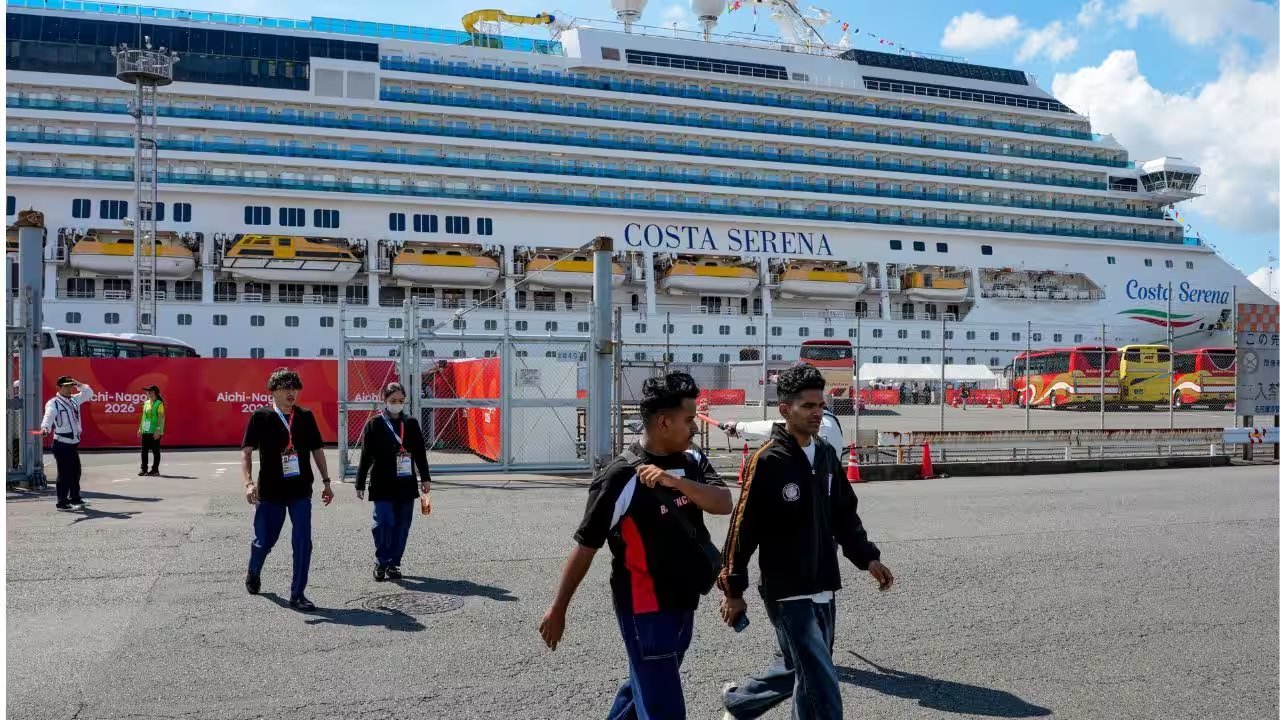
Usha slammed the Aichi‑Nagoya Asian Games’ decision to dump the classic Athletes Village in favour of a cruise‑ship arrangement, saying the move erodes the camaraderie that fuels multi‑sport events.
She’s no stranger to the village buzz – having competed from 1982 onward, she’s seen almost every edition’s layout. “Everybody objected, even I did,” she told reporters, adding that the Olympic Council of Asia had also balked before capitulating to cost and sustainability arguments.
The organisers point to the hefty price tag of a purpose‑built village and the environmental gains of a floating, modular solution, but Usha counters that the logistics of scattering athletes across multiple sites – some on a ship, others in hotels – will strain coordination. “The distance between venues is a nightmare,” she said, citing the need to hop from shooting to cricket on separate routes.
She also warned that a dispersed model could dilute the vibrant, cross‑cultural interactions that a central hub naturally fosters. “The village is where you meet, learn, and share stories,” she said, underscoring how the lack of a single gathering place may rob athletes of that shared experience.
Despite acknowledging that the new spread could benefit local infrastructure, Usha insists that the core spirit of the Games risks fading. She rejects claims that the cruise‑ship experiment signals the end of traditional villages, insisting the culture will survive if the model is preserved.
The next step, she says, is a meeting of the coordination committee to revisit the accommodation strategy before the Games launch, with the hope that a more centralized village can be reinstated for future editions.