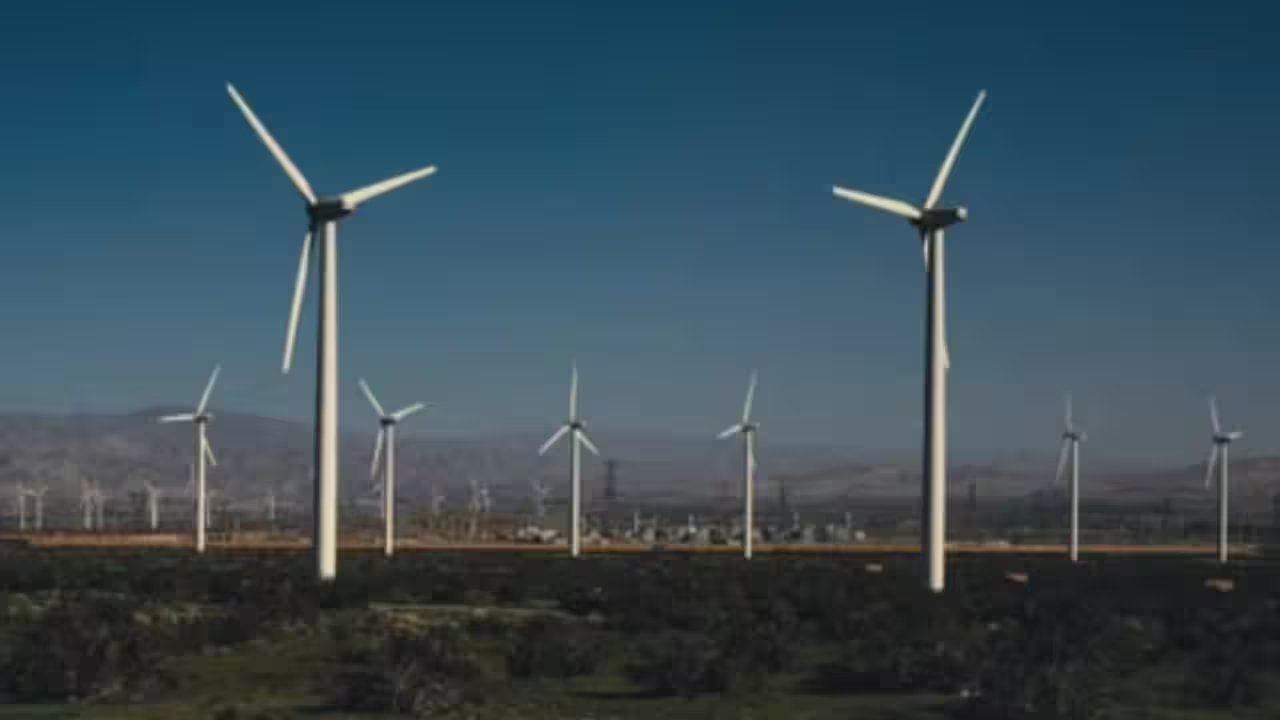
Dave Johnson doesn't care about the political noise. He cares about the $30,000 a year his four wind turbines deposit into his account. For the northern Iowa livestock farmer, this steady stream of cash is the retirement fund he never built. "I never had a 401(k)," Johnson told Vox. "I farmed and stuck everything back into the farm. This is the 401(k) that I never had."
It's a pragmatic calculation that runs deep in Republican Iowa, a state that generated 59% of its electricity from wind in 2023. That's the highest share in the nation. Johnson, a Trump voter, sees the turbines not as a climate statement, but as a survival strategy. Crop prices for soybeans have dipped, while tractor repairs and input costs have climbed with inflation. The turbine checks provide a buffer that keeps the farm afloat.
His neighbor, Fred Koschmeder, agrees. A corn and soybean grower who also voted for Trump, Koschmeder dismisses the partisan framing entirely. "I don't even look at it as a political thing," Koschmeder said. "It is economic development. If you’ve got a chance to participate in something that brings value, I think you’re kind of foolish not to do it." For many, the math is simple: stable revenue beats volatile harvests.
This economic reality has roots stretching back decades. Iowa became the first US state to establish a renewable portfolio standard in 1983, a policy that required utilities to secure at least 105 megawatts of renewable energy. Senator Chuck Grassley, a Republican, helped craft the federal tax credits in the 1990s that accelerated this growth. Today, the wind industry employs roughly 4,000 people in Iowa and serves as the top taxpayer in a third of the state's counties, according to Power Up Iowa.
Steve Guyer, senior energy policy counsel at the Iowa Environmental Council, notes that this stability trickles down to utility bills. Onshore wind was the cheapest energy source in 2024, keeping rates below the national average. While President Donald Trump has denounced wind turbines as "Big, ugly wind mills" that "ruin your neighborhood," local farmers remain unmoved. Johnson simply shrugs off the President's comments. The wind keeps blowing, and the checks keep coming.