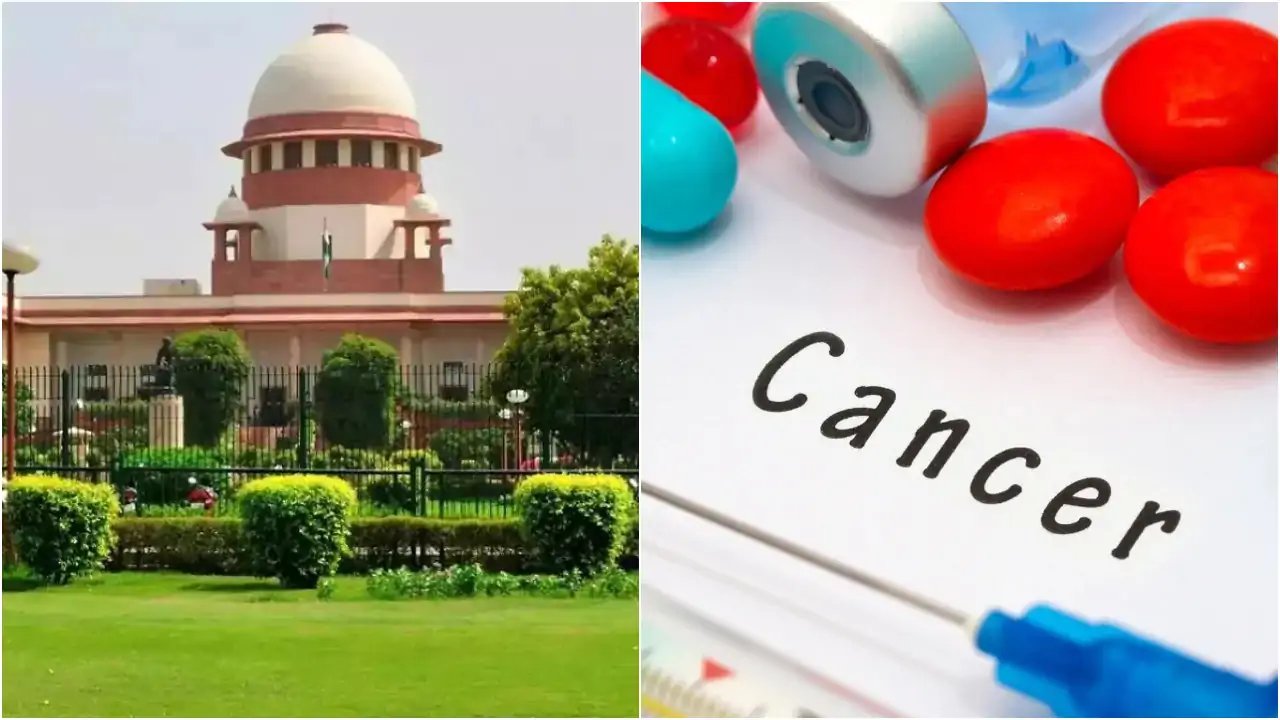
Justice Sandeep Mehta slammed the current drug pricing structure after pointing to a specific instance where a life-saving cancer treatment, available to retailers for roughly Rs 3,000, hits the market at Rs 27,000. The Supreme Court bench used this stark disparity to press the Centre on Tuesday, demanding an explanation for the lack of adequate price-control mechanisms. "Just see the drastic difference," Justice Mehta stated, refusing to let the government slide past the issue with bureaucratic jargon. The bench had previously labeled such pricing practices "broad daylight dacoity," a term that underscores the court's frustration with the status quo.
The core of the legal battle revolves around the Drugs (Prices Control) Order, or DPCO. The court questioned why essential and non-essential medicines are treated differently under the existing framework. If a drug is essential, the bench argued, it should fall under the Essential Commodities Act, which allows for stricter price regulation. Justice Mehta asked directly why a uniform 16 percent criterion isn't applied to every medical device and medicine, noting that leaving essential items out of the DPCO seems illogical. The government is now on the spot to justify its regulatory gaps.
The financial impact extends beyond individual patients to the public exchequer. The bench highlighted that corporate hospitals often force patients to buy medicines from in-house pharmacies, which typically carry higher prices. When these patients are treated under government-sponsored healthcare schemes, the inflated costs are effectively borne by the taxpayer. This creates a double burden: patients face high out-of-pocket expenses, and the state pays a premium for drugs that are overpriced due to weak regulatory oversight.
The court's intervention signals a potential shift in how India regulates pharmaceutical prices. By linking the DPCO to the Essential Commodities Act, the Supreme Court is paving the way for a more uniform pricing mechanism. The Centre must now respond to these pointed questions, and a ruling in this matter could reshape the economics of healthcare in the country. The next hearing will determine if the government can provide a satisfactory explanation or if the court will step in with stricter directives.