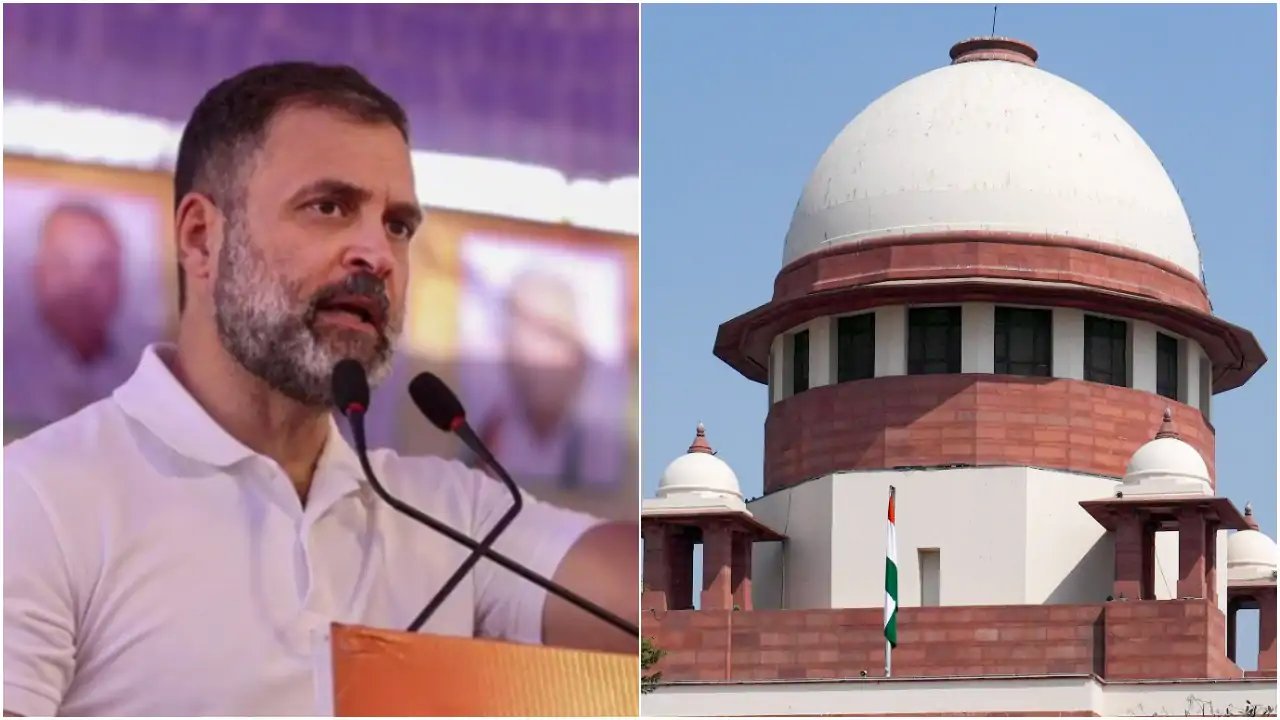
Supreme Court will hear Rahul Gandhi’s two appeals on Tuesday, Oct. 13. The first involves a defamation suit that arose from his 2018 ‘Chowkidar Chor Hai’ comment during the Rafale jet controversy, a complaint lodged by BJP functionary Mahesh Shrishrimal. Gandhi challenged the summons issued by the magistrate in 2019, but the Bombay High Court dismissed his plea and later stayed the order for six weeks.
In May 2019, Gandhi tendered an unconditional apology to the Supreme Court, clarifying that he had wrongly attributed the slogan to the Court itself, not for using the phrase. The apology did not alter the defamation case, which remains pending.
The second matter challenges an Allahabad High Court directive that ordered the Central Bureau of Investigation and the Enforcement Directorate to verify allegations of disproportionate assets against Gandhi. The complaint, filed by BJP worker S. Vignesh Shishir, prompted the High Court to instruct the agencies to investigate and report back.
The Supreme Court will examine whether the High Courts’ orders should stand and whether the defamation proceeding can be quashed. A ruling in Gandhi’s favor could reinvigorate his political career, while a dismissive decision might tighten scrutiny over his assets and public statements.
The court also has the option to review the Special Intensive Revision of electoral rolls, though that matter is not scheduled for a formal hearing on Tuesday.
The outcomes of these cases are likely to reverberate beyond the legal arena, impacting Rahul Gandhi’s future electoral prospects and shaping the broader debate on political accountability in India.