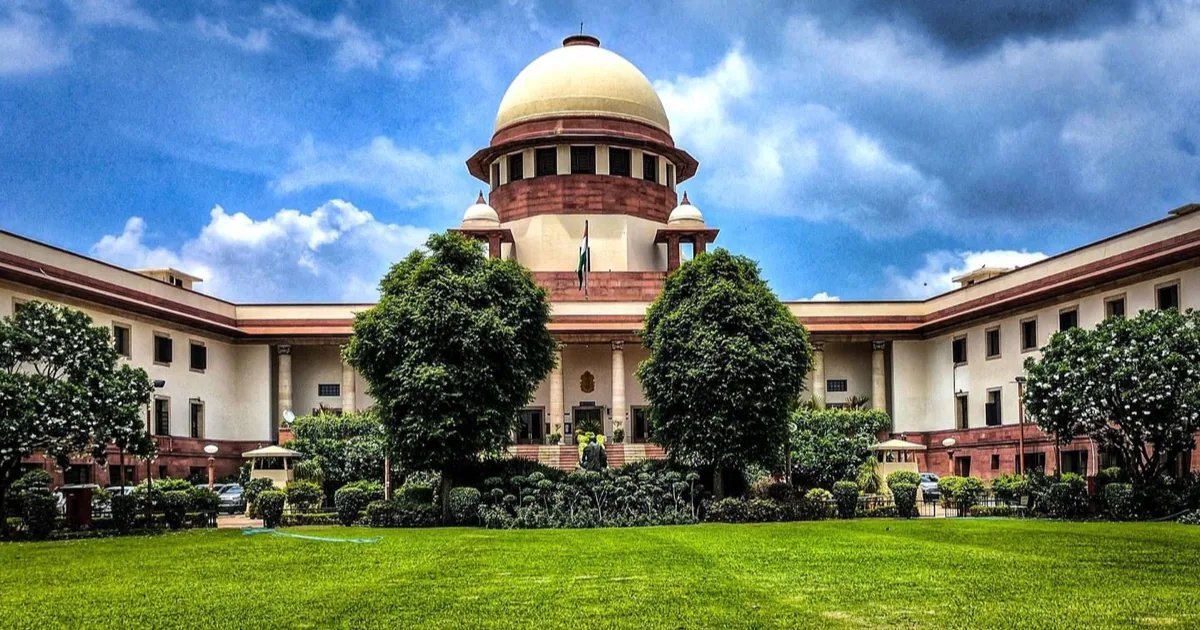
Supreme Court Justices J B Pardiwala and K V Viswanathan delivered a landmark verdict on Thursday, declaring that an accused parent or family member residing with the child cannot be immediately taken into custody under the POCSO Act if a matrimonial dispute is present.
The bench set two explicit threshold conditions: (i) the alleged offence is committed by a parent or co‑resident family member, and (ii) a matrimonial conflict exists between the child's parents, regardless of whether the dispute is litigated.
Police officers receiving a complaint must first confirm that such a dispute exists; only after this verification can they register an FIR.
In addition, the court directed that an independent child‑psychology or psychiatry expert, in consultation with the District Child Protection Unit or the District Legal Services Authority, must evaluate the child before any arrest decision is made.
The ruling aims to shield families from the trauma of false allegations, stating that an unjust arrest can irreparably damage the parent‑child bond.
Courts will now apply these safeguards, with special courts required to incorporate expert opinions before summoning an accused. The next step: judges across the country will begin to enforce the new protocol in all POCSO cases involving matrimonial disputes.