MarutiSuzukiFlexFuelMoRTHAutomotivePolicyIndia
Maruti Suzuki Flex‑Fuel Cars Get Official E100 Certification
Published: October 26, 2026
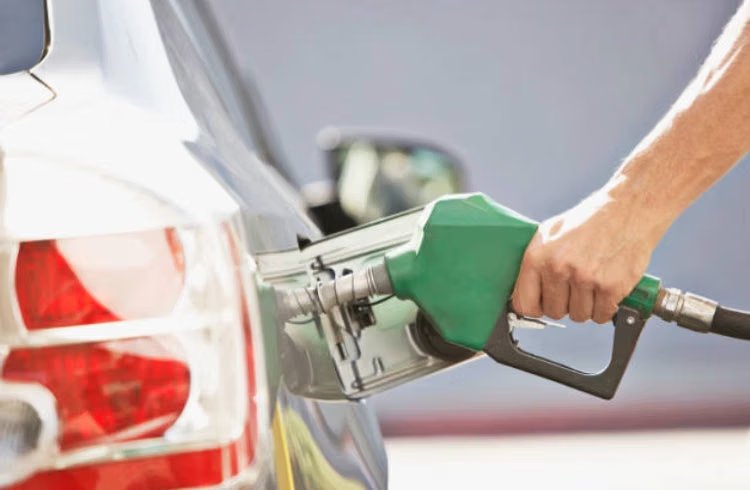
MoRTH has amended CMVR to allow 100% Ethanol (E100) vehicles to be homologated. This unlocks Maruti Suzuki and peers to launch flex‑fuel models, offering buyers a zero‑carbon petrol option.
For the everyday buyer, the headline means Maruti Suzuki’s upcoming flex‑fuel range can now hit the roads with a valid certification, not just a prototype. The October 23 notification removes the legal grey area that kept E100‑ready cars on the drawing board, letting OEMs ship production units that meet the same emission tables as their E85 counterparts.
The change comes after India’s 20% ethanol blend (E20) mandate took effect on April 1, 2026, pushing all fuel pumps to dispense E20 instead of pure petrol. Manufacturers have already been producing E20‑compatible engines since April 2023, so the infrastructure is in place. What’s new is the explicit inclusion of E100 in the emission tables, meaning a vehicle can now be certified for both E85 and pure ethanol without a separate homologation process.
Maruti Suzuki’s upcoming Baleno and Alto models are already in the testing phase, with the brand confirming that a dedicated E100 variant will launch in Q4 2026. Toyota’s Corolla and Hyundai’s i20 are expected to follow suit, leveraging the same certification to broaden their flex‑fuel line‑ups. Buyers can look forward to a 15‑kW electric motor plus a 25‑kW ethanol engine option in the Baleno, a sweet spot between efficiency and cost.
The rule tweak also raises the GVW testing threshold from 3,000 kg to 3,500 kg for LCVs and SUVs, easing the transition for mid‑size vans and pickups. Vehicles weighing between 3,000 kg and 3,500 kg will now use the standard chassis‑dynamometer drive‑cycle limits rather than heavy‑duty engine testing, saving developers a potential 10% in certification costs.
For commercial fleets, the substitution of B10 with B100 in testing parameters opens a pathway to ultra‑low‑emission diesel engines. While B100 requires specialized fuel pre‑heaters and higher maintenance, the government’s clear protocol will guide OEMs in designing B20‑ready platforms that can later upgrade to B100 in pilot operations. The move signals a future shift where biodiesel‑powered trucks could become mainstream, especially as feedstock supply ramps up.
The regulatory finality now shifts the onus to Tier‑1 suppliers: ethanol‑compliant fuel lines, corrosion‑resistant engine internals, and specialized sensors must be produced locally to keep costs down. Expect the first Maruti Suzuki E100 models to roll out across major metros—Delhi, Mumbai, Bengaluru—by September 2026, with a national rollout by December. Keep an eye on price adjustments; the added fuel system can bump the sticker price by roughly ₹1.5 lakh, but the lower operating cost of ethanol could offset that over the vehicle’s life.