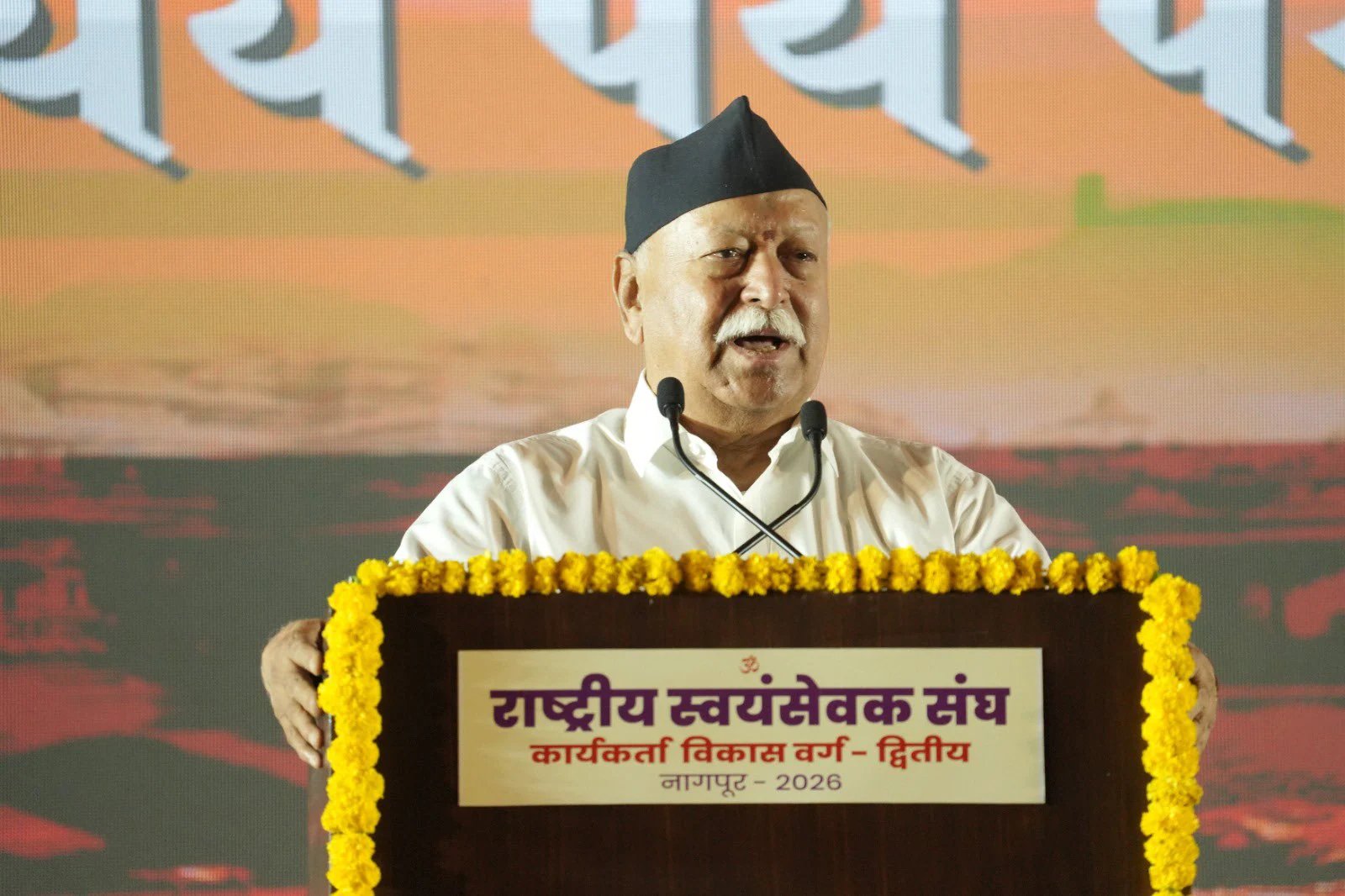
RSS Chief Mohan Bhagwat and the organization's top brass converge in Indore from November 2 to 4, 2026, for the Akhil Bharatiya Karyakari Mandal Baithak. This isn't just another annual get-together. It is the Sangh's primary decision-making body, tasked with setting the ideological and operational roadmap for the next phase. The meeting kicks off on Kartik Krishna Ashtami, a date with deep ritual significance for the organization.
The agenda is dense. Bhagwat and General Secretary (Sarkaryavah) Dattatreya Hosabale will review the outcomes of the centenary year celebrations, which concluded with the Vijayadashami events. But the focus shifts sharply to current threats. The press note explicitly flags "rising concerns over drug abuse" and "external interference in India's internal affairs" as core discussion points. These aren't abstract debates; they are operational challenges the Sangh intends to tackle.
Attendance is massive. All six Joint General Secretaries and heads of national departments are in. But the real weight comes from the grassroots. Prant Sanghchalaks, Karyavahs, and Pracharaks from all 46 provinces (prants) and 11 major divisions (kshetras) are expected to be present. This ensures that the directives from Indore trickle down to the local level with minimal dilution. It’s a top-down strategy session disguised as a grassroots assembly.
The meeting follows the end of the Sangh's centenary year programs. That cycle is over. Now, the machine resets. The Baithak will determine how the RSS adapts to the digital age, specifically addressing "content and challenges related to new media platforms." In a landscape where misinformation spreads faster than fact, the Sangh is positioning itself to control the narrative. The final strategy document will emerge from these three days of deliberation, setting the tone for the organization's activities in the coming months.