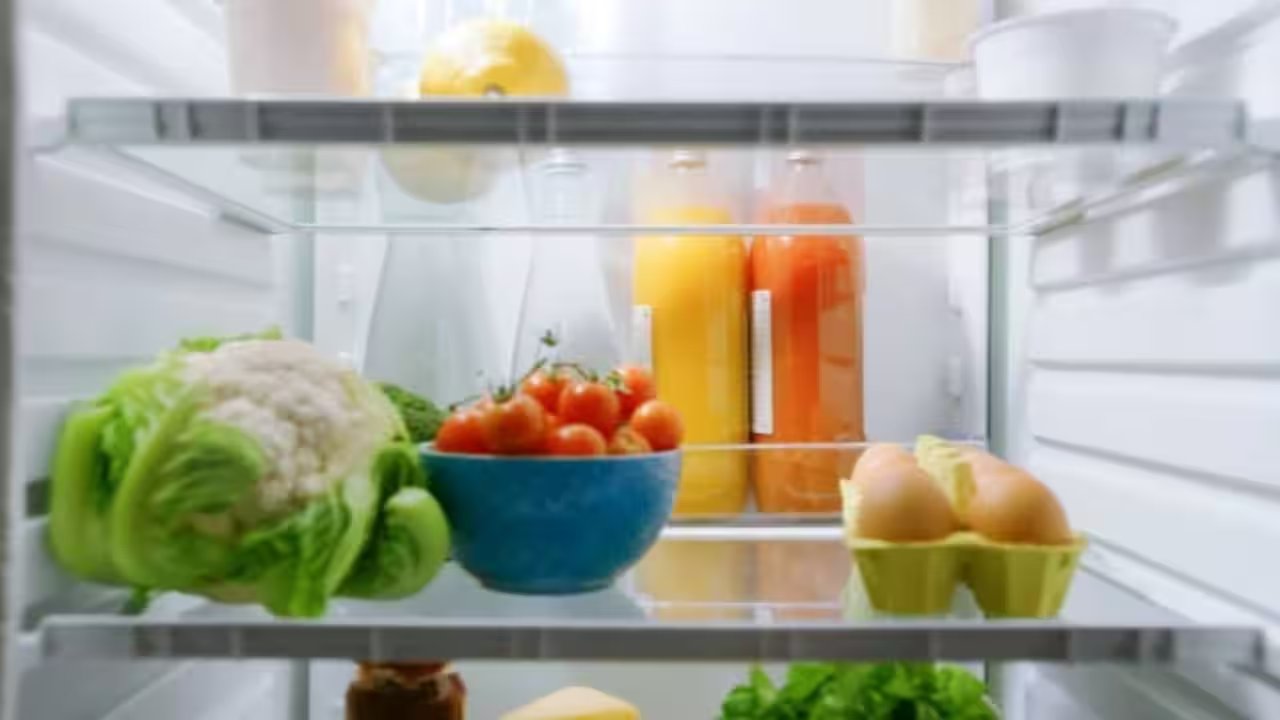
The first instinct when the lights go out is to yank the fridge door open and check the temperature, but that’s exactly what kills your food. Cold air escapes, warm air rushes in, and your insulated box starts heating up faster than you realize. As a general rule of thumb, a fully closed refrigerator holds a safe temperature for about four hours. If you’re expecting a blackout, resist the urge to peek inside every ten minutes; treating your fridge like a sealed thermos is the only way to stretch that window.
Your freezer is your best friend during these moments. Because frozen food acts almost like insulation for itself, a full freezer can stay cold for up to 48 hours, while a half-empty one manages about 24. If you know a long outage is coming, group items tightly together and fill any gaps with bags of ice. It’s a simple trick that keeps the internal temperature stable without you having to touch a single dial.
Not everything inside is at equal risk. Dairy, raw meat, poultry, fish, and creamy sauces like mayonnaise are the first to go bad because bacteria multiply rapidly once these items warm up. On the other hand, hard cheeses, butter, fresh vegetables, and condiments like ketchup or mustard are much more forgiving. The vinegar and sugar in those jars act as natural preservatives, so you can likely keep them even if the power stays out for a day or two.
Once the power returns, don’t just assume everything is fine because the box feels cool again. Trust your senses, but be skeptical. If meat smells off, feels slimy, or has changed color, it’s trash. However, the tricky part is food that looks and smells perfect but has sat in the 'danger zone' too long. Bacteria that cause food poisoning don’t always change the look or smell of food, so timing matters more than your nose.
If you have partially thawed freezer items that still feel cold and have ice crystals, you can generally refreeze them, though the texture might suffer a bit. Fully thawed meat or seafood that has been above 4 degrees Celsius for more than two hours should be cooked immediately or discarded. When in doubt, throw it out—it’s cheaper than a trip to the ER.