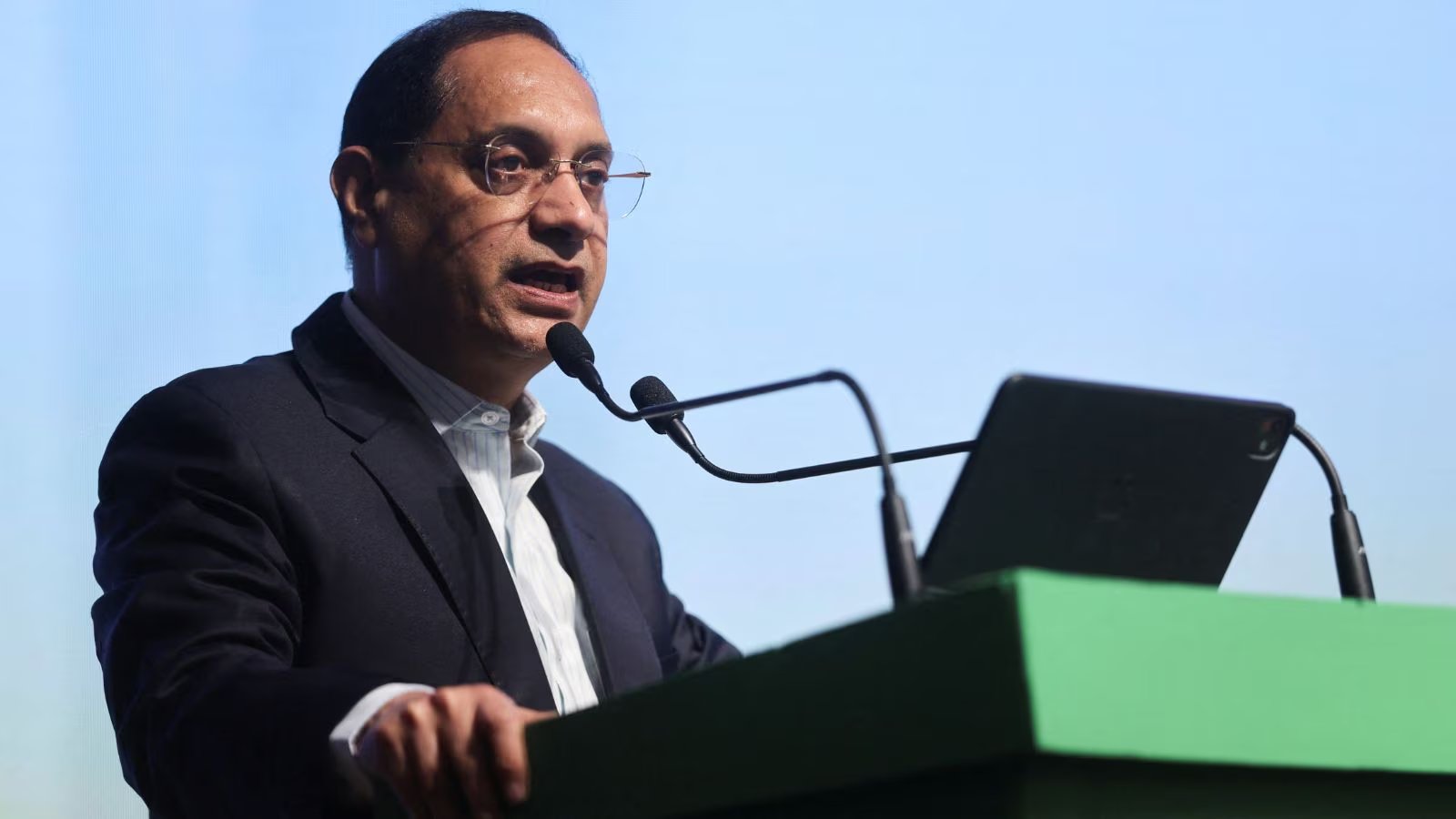
The speculation fizzled out on Wednesday. SEBI Chairman Tuhin Kanta Pandey explicitly stated that no panel is currently examining a regulatory framework to permit stock exchanges to list their own shares. This directly contradicts reports circulating a couple of days earlier, which suggested the regulator might open the door for self-trading of NSE and BSE equities on their respective platforms.
The market reacted within minutes. At 12:11 pm, BSE shares were down 3% at ₹3,103.4 apiece. NSE shares fared slightly better, slipping just 0.2% to ₹1,765.85. The drop reflects the immediate removal of a potential arbitrage opportunity or internal liquidity boost that traders may have priced in following the initial rumors.
Pandey’s clarification came after CNBC-TV18 wrote to SEBI seeking a response to the earlier claims. The regulator’s stance is clear: listed stocks of the National Stock Exchange and Bombay Stock Exchange cannot currently be traded on their own exchanges. This maintains the status quo where BSE and NSE shares are traded on both exchanges, but the entities themselves cannot act as primary venues for their own equity.
For long-term investors, the rejection of this framework removes a structural change that could have altered liquidity dynamics. The market now returns to standard operating procedures. Traders should watch for any future regulatory circulars, but for now, the door to self-trading remains firmly shut.