Prince Khalid bin Salman, Turkey’s intelligence chief Ibrahim Kalin and Pakistan’s army chief General Asim Munir joined the Iranian delegation in Tehran’s presidential palace, where they exchanged brief statements with President Massoud Pezeshkian and Foreign Minister Abbas Araghchi. The three‑way summit, marred by a tense atmosphere, ended without a formal communiqué, but all sides said they would keep the dialogue alive.
The talks followed a series of warnings from Washington, Tehran and Tel Aviv that the eight‑month war could flare up again. In the meantime, fresh explosions rattled Riyadh overnight after the Iran‑backed Houthis claimed a new strike on the Saudi capital’s international airport, and the Saudi‑led coalition intercepted three Houthi‑launched drones over southern Saudi Arabia.
Egypt’s parliament, in response to the escalating attacks, approved President Abdel Fattah al‑Sisi’s request for defensive support for Saudi Arabia if needed, though the exact nature of that aid remains unclear. Meanwhile, Qatar and Pakistan have been leading the US‑Iran mediation effort, with a Qatari delegation visiting Tehran on Sunday.
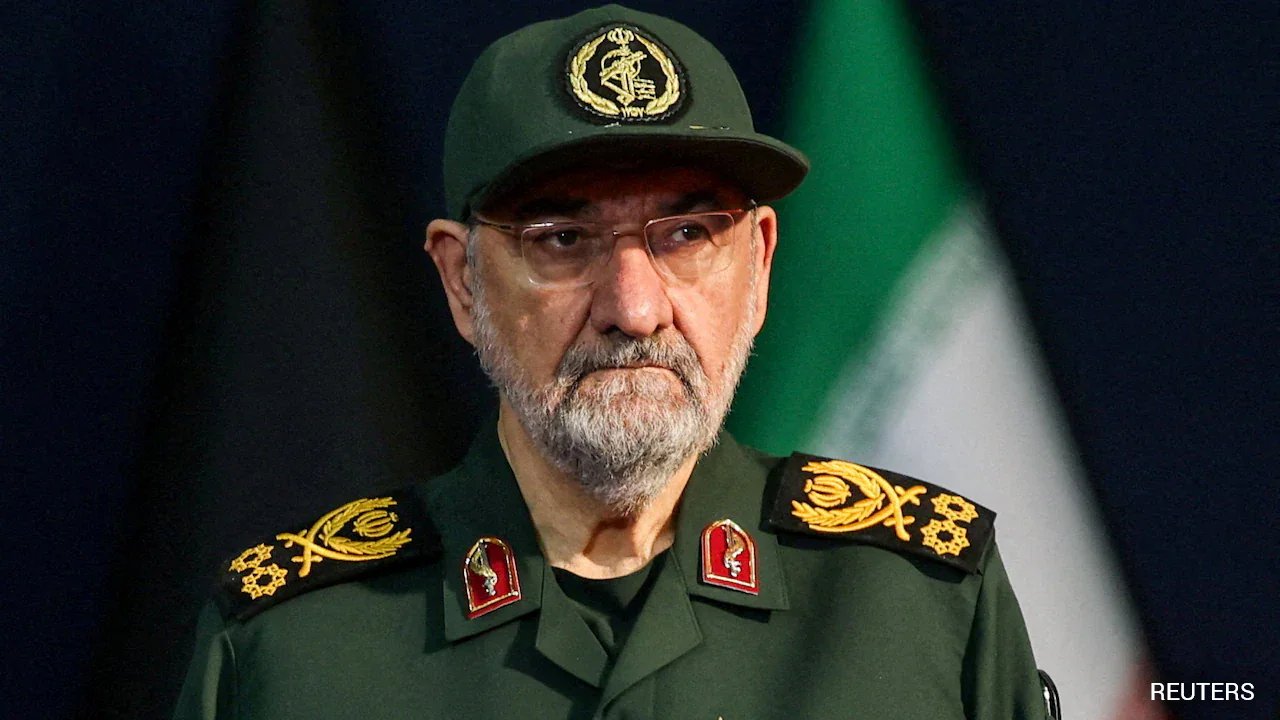
Iran’s Supreme National Security Council chief Mohsen Rezaei described the meeting as "very good," noting a new atmosphere and stressing that security should be achieved by the countries themselves, without foreign intervention. Yet, analysts warn that the region remains on a knife edge as Israel’s elections approach and US midterms loom, and the UN Secretary‑General called the talks an "essential step" to prevent escalation.
With no concrete outcomes, the delegations have pledged to continue discussions, setting the stage for future meetings aimed at preventing further conflict in the Middle East.