Election CommissionGyanesh KumarCJPCockroach Janta PartyAbhijeet Dipke
CJP Gives Gyanesh Kumar 48 Hours To Resign Or Face Nationwide Protest
Published: September 25, 2026
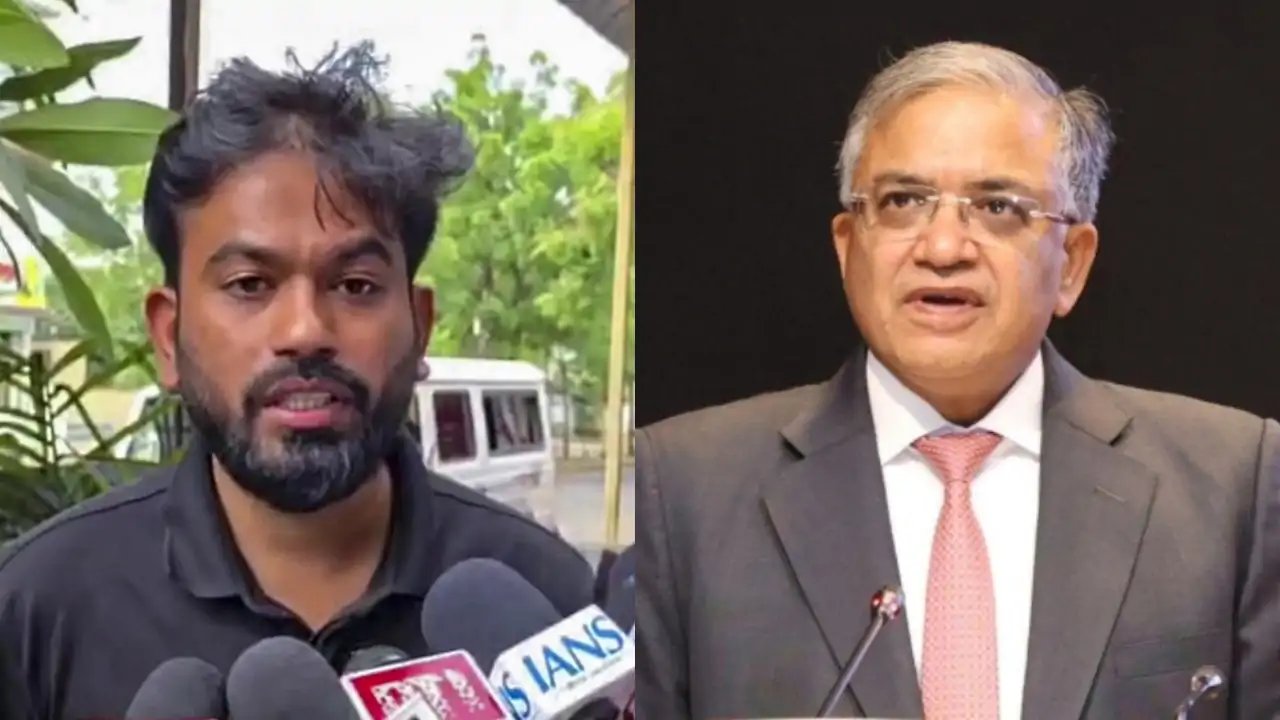
The Cockroach Janta Party issued a 48-hour ultimatum on Thursday for Chief Election Commissioner Gyanesh Kumar to resign or face a nationwide 'Jantar Mantar 2.0' agitation. The threat emerges amid reports of 14 formal objections from fellow commissioners regarding the Special Intensive Revision of electoral rolls.
Abhijeet Dipke, the CJP founder, stood at the podium and laid down the gauntlet. Gyanesh Kumar has 48 hours. If the clock strikes zero without a resignation letter, Dipke promised, the streets of India would erupt. “We will go to every state,” Dipke declared. “There will be nationwide protests against Gyanesh Kumar.”
The trigger? A simmering internal裂痕 within the Election Commission. The Indian Express reported that Commissioners Sukhbir Singh Sandhu and Vivek Joshi formally objected to decisions 14 times over 10 months. They argued these orders—covering voter additions, deletions, and Form 6 changes—were executed without their knowledge. It’s a claim that cuts to the heart of the government's election machinery.
The Election Commission brushed this aside. Spokespersons stated that written notes and differing views are “part of the normal deliberative process.” They insisted all final decisions, including those on the Special Intensive Revision, were unanimous. But for the CJP, that’s not enough. They want more than an explanation. They want heads to roll. Dipke labeled Kumar the “biggest anti-national” and a threat to democracy, demanding criminal proceedings alongside his resignation.
The CJP’s three demands are blunt. First, Kumar’s immediate resignation and arrest. Second, a freeze on the Special Intensive Revision and a hold on upcoming elections until the process is reviewed. Third, repeal the 2023 law that changed how Election Commissioners are appointed. Under the current rule, the selection committee includes the Prime Minister and a nominated Cabinet minister—a structure the CJP views as a compromise of independence.
With 24 hours left on the ultimatum, the stage is set. If Kumar stays, the CJP says the agitation begins. Police are on high alert in New Delhi, anticipating large-scale gatherings. The political fallout is already rippling through opposition parties, who are watching the deadline with bated breath.