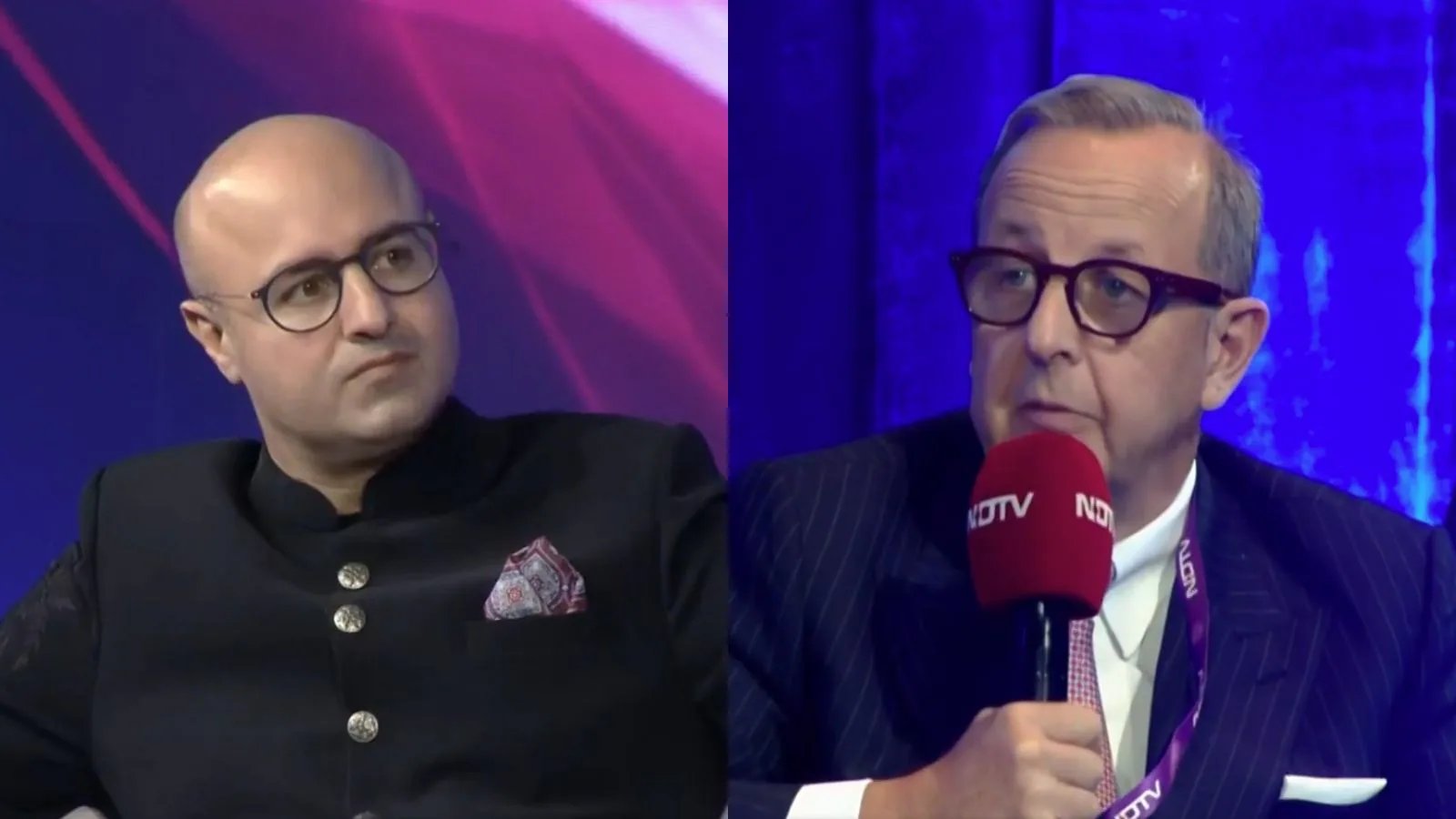
Bartoli opened his remarks by noting the paradox of modern globalisation: increased interconnectedness has not translated into a corresponding rise in peace and democracy. He said that India’s decision to step up its diplomatic profile signals a shift from passive observer to active participant in international conflict resolution.
The ambassador pointed to the Ukraine war and growing tensions in the Strait of Hormuz as stark reminders of how distant conflicts ripple across the globe. He explained that even when a war occurs far away, it still hurts everyday consumers in India by pushing up fuel and food prices.
Bartoli also referred to Iran’s recent proposal to end the war in a week if the United States lifts its blockade of Iranian ports. The U.S. rejected the seven‑day offer in late September, yet both sides maintain indirect talks that could reshape global energy flows.
He concluded that India’s expanded peacemaking role comes with greater responsibilities. The Italian envoy called for coordinated efforts to secure maritime chokepoints, ease sanctions, and stabilise commodity markets, while India prepares to deepen its engagement in multilateral peace talks.