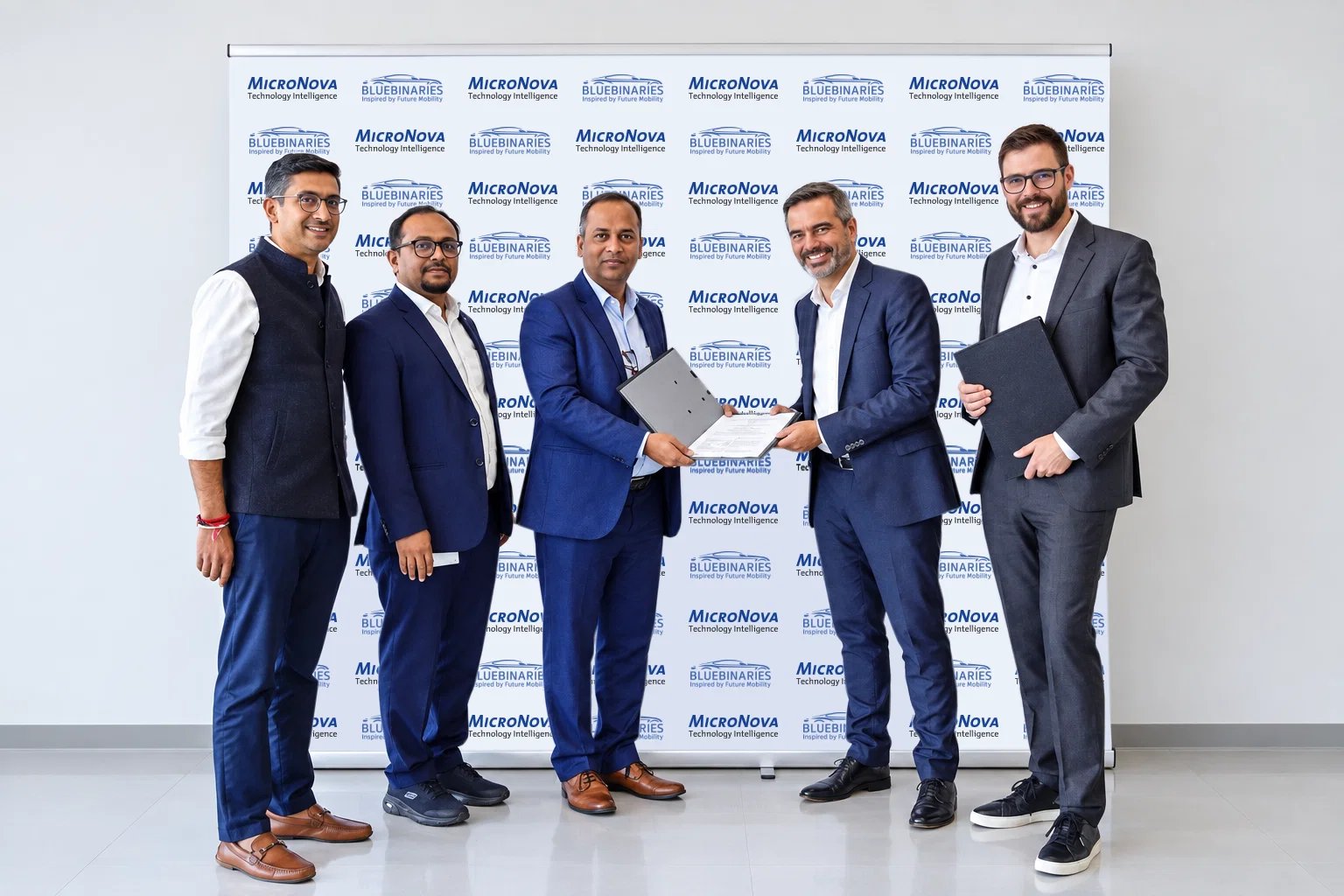
BlueBinaries just inked a deal to buy the automotive testing arm of Germany’s MicroNova AG, carving out NovaBinaries GmbH as a standalone unit. The new company is expected to bring in $50 million in revenue in its first year, with BlueBinaries eyeing a $100 million target as it expands.
MicroNova has spent the last three decades building hardware‑in‑the‑loop (HiL) rigs and software test factories that sit at the heart of European OEM test labs. Those tools help engineers simulate a car’s electronic control units in real‑time, catching faults before the car hits a test track. By bringing that expertise under its umbrella, BlueBinaries can now offer end‑to‑end testing cycles that mirror real‑world conditions.
For the average buyer, the trickle‑down effect is subtle but important. Vehicles that go through stricter, faster testing cycles tend to be more reliable and safer, which can translate to lower maintenance costs and fewer recalls. With the new NovaBinaries unit, upcoming electric models could see a tighter validation window, cutting the time from prototype to road by months.
India’s push for electric mobility has spurred a wave of new regulations mandating rigorous safety and performance checks. By strengthening its testing arm, BlueBinaries is better positioned to supply OEMs and Tier‑1 suppliers with the tools they need to meet those standards. That could make the domestic supply chain more resilient and reduce the reliance on foreign testing services.
The company plans to roll out the combined capabilities across its existing delivery hubs by early 2027, with a pilot program slated for the Pune chassis lab next quarter. If the expansion hits its revenue target, BlueBinaries could become the go‑to partner for automotive manufacturers looking to validate software and hardware in a single ecosystem. Keep an eye on how this partnership influences the cost‑structure of future EVs and the speed at which new models reach Indian markets.