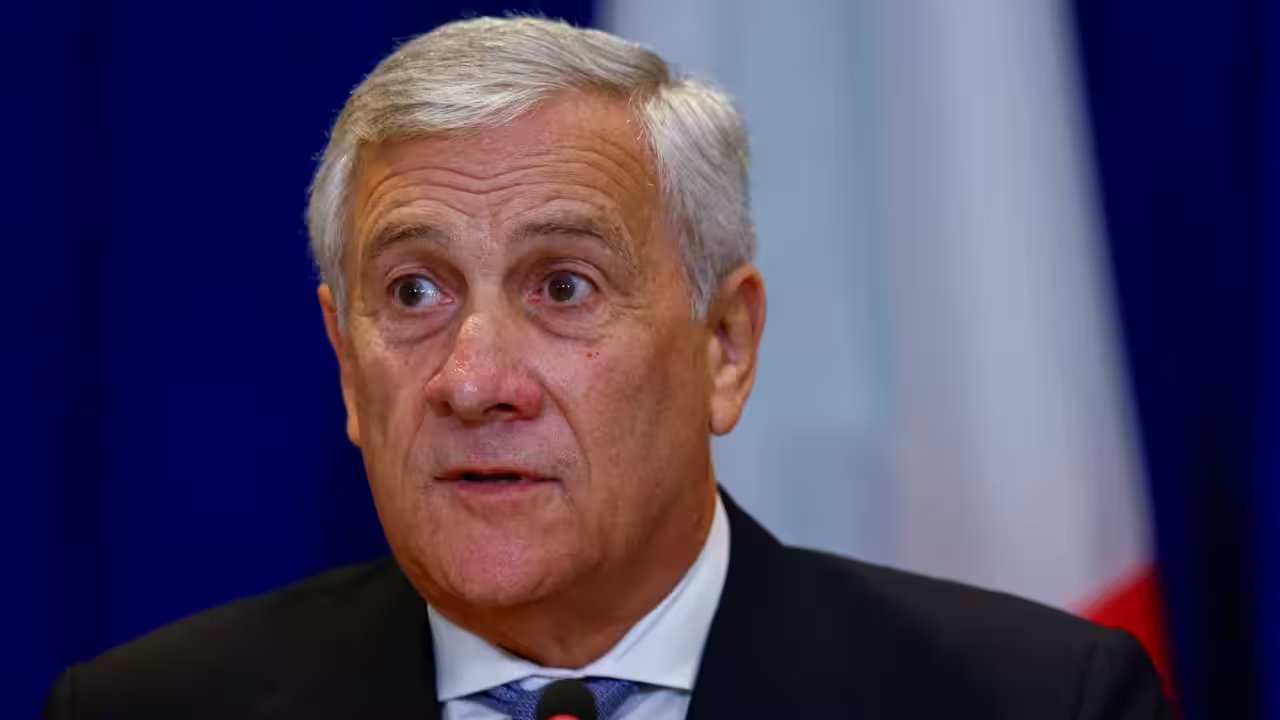
Antonio Tajani is being hunted. The Italian foreign minister confirmed on Saturday that cybercriminals are circulating his private data on the dark web, exposing his household to direct threats. He did not specify which files leaked or who is behind the operation, but the urgency in his social media post was clear: “For days, cybercriminals have been spreading my personal data... exposing me and my family to new threats and intimidation.”
The leak is not just a privacy violation; it is a transaction. Tajani stated that the attackers are actively seeking—and willing to pay for—additional details about him and his relatives. This marks a shift from passive data theft to active extortion, a tactic increasingly common in state-sponsored cyber warfare. The dark web, inaccessible to standard search engines and requiring specialized software, has become the marketplace for these stolen identities.
Giorgia Meloni, Italy’s premier, moved quickly to assign blame. In a separate statement, she labeled the perpetrators “pro-Russian hackers,” calling the sale of confidential information about government officials “a matter of grave concern.” Her attribution places the incident within the broader context of hybrid warfare tactics aimed at destabilizing European political leadership. Meloni expressed solidarity with Tajani, emphasizing that the country would address the breach “with the utmost determination.”
This incident lands in a crowded week of European security scares. Hoax bomb threats recently forced flight diversions, and broadcasters faced security disruptions. Simultaneously, attacks on supermarket refrigeration systems and drone incursions have raised alarms about the fragility of critical infrastructure. The pattern suggests a coordinated effort to create an atmosphere of insecurity across the continent.
Tajani, who also serves as a deputy prime minister, refused to be cowed. “I will not allow myself to be intimidated in any way,” he declared. He pledged to strengthen security ties and continue defending Italy’s stance on Ukraine. The next step is clear: Italian intelligence agencies will likely launch a forensic trace to identify the specific server clusters and actors behind the leak, while diplomatic channels to Kyiv and Brussels will tighten to coordinate a joint defense response.