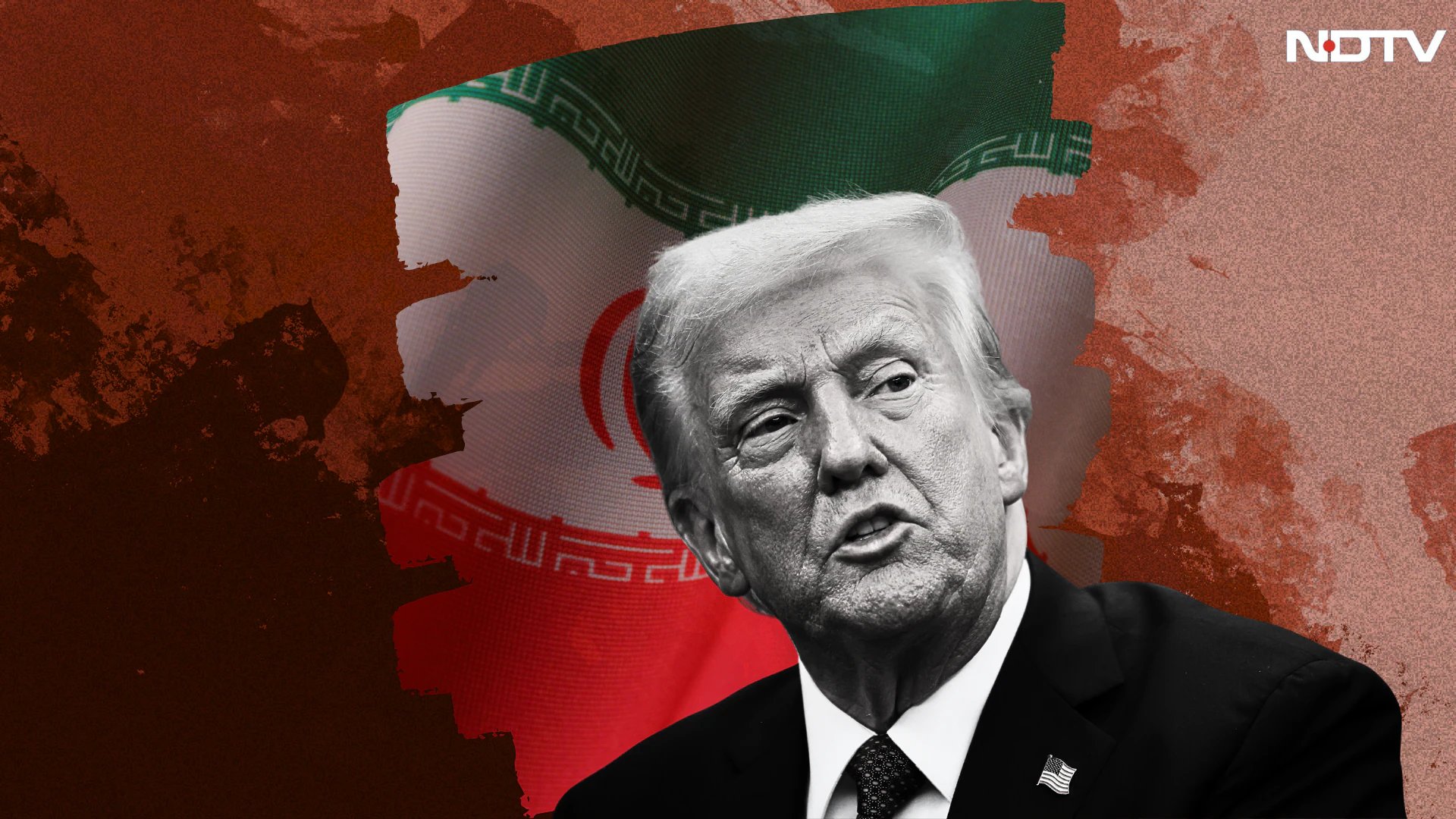
On Thursday, President Donald Trump told Republican supporters that the United States would not order military strikes on Iran before the November 3 midterm elections while campaigning for GOP candidates across the country. He emphasized that the pause would give the administration time to reassess options in the lead‑up to the vote.
Trump also said his team has been having productive discussions with Iran, following a stalled negotiation that began after his late‑month rejection of Tehran’s proposal to reopen the Strait of Hormuz within seven days if U.S. conditions were met. Foreign Minister Abbas Araghchi announced that Tehran would respond to the counterproposal within days, signaling a tentative reopening of diplomatic channels.
Meanwhile, the U.S. Navy has moved a third aircraft carrier, the USS Theodore Roosevelt, into the region, with the ship and thousands of troops slated to arrive by the end of October. The carrier’s arrival comes just as the USS Abraham Lincoln is scheduled to return to San Diego after a record‑long deployment in support of the Iran‑related war.
The return of the Abraham Lincoln comes amid reports of crew stress and shortages of food and hygiene supplies, underscoring the human cost of prolonged deployments. The USS George Washington, which usually operates from the Pacific, relieved the Lincoln in August, while the USS George H.W. Bush, deployed for six months, recently pulled into Phuket, Thailand, for a port visit.
Trump’s vow to hold off attacks until after the midterms signals a temporary diplomatic pause, but the continued buildup of naval assets suggests the U.S. is preparing for a potential escalation if negotiations falter.