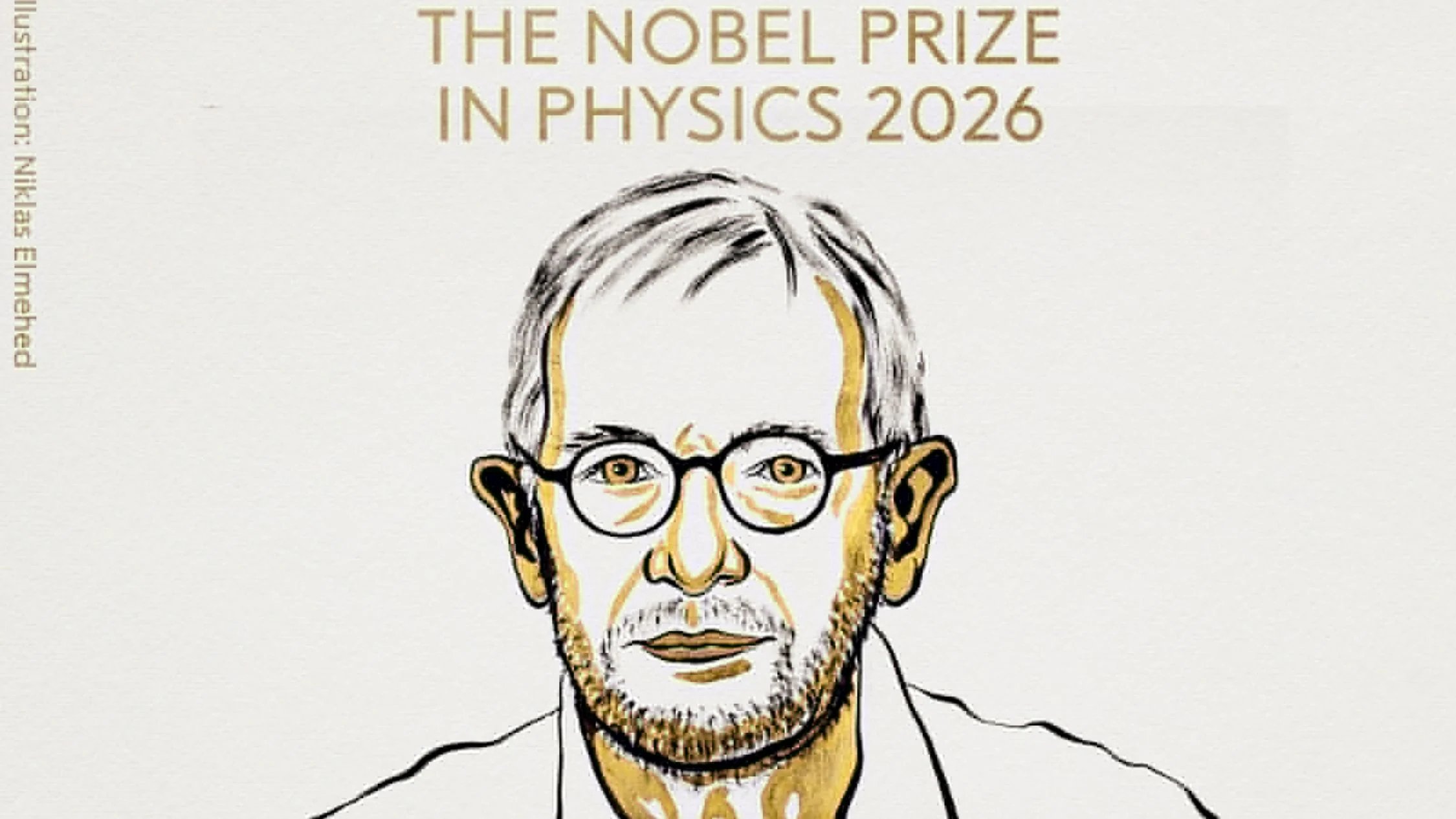
Halzen’s work began in the 1980s when his team first proposed embedding photodetectors in Antarctic ice to capture fleeting neutrinos. The IceCube Observatory, now a cubic kilometre of instrumented ice, has recorded dozens of neutrinos originating from distant blazars, turning the South Pole into a cosmic particle detector. By pinpointing the sources of high‑energy neutrinos, the observatory opened a new window on violent astrophysical events that light alone cannot reveal. Mark Pearce, chair of the Nobel Committee for Physics, praised Halzen’s "tenacity and scientific vision" as paving the way for a new kind of astronomy. Among the team is Dr. Sarah Nguyen, a graduate student who helped install the first optical modules; she said the discovery "feels like a dream turned real." The award, valued at 12 million Swedish kronor, is expected to secure additional funding for IceCube’s planned upgrade, slated to begin next year.