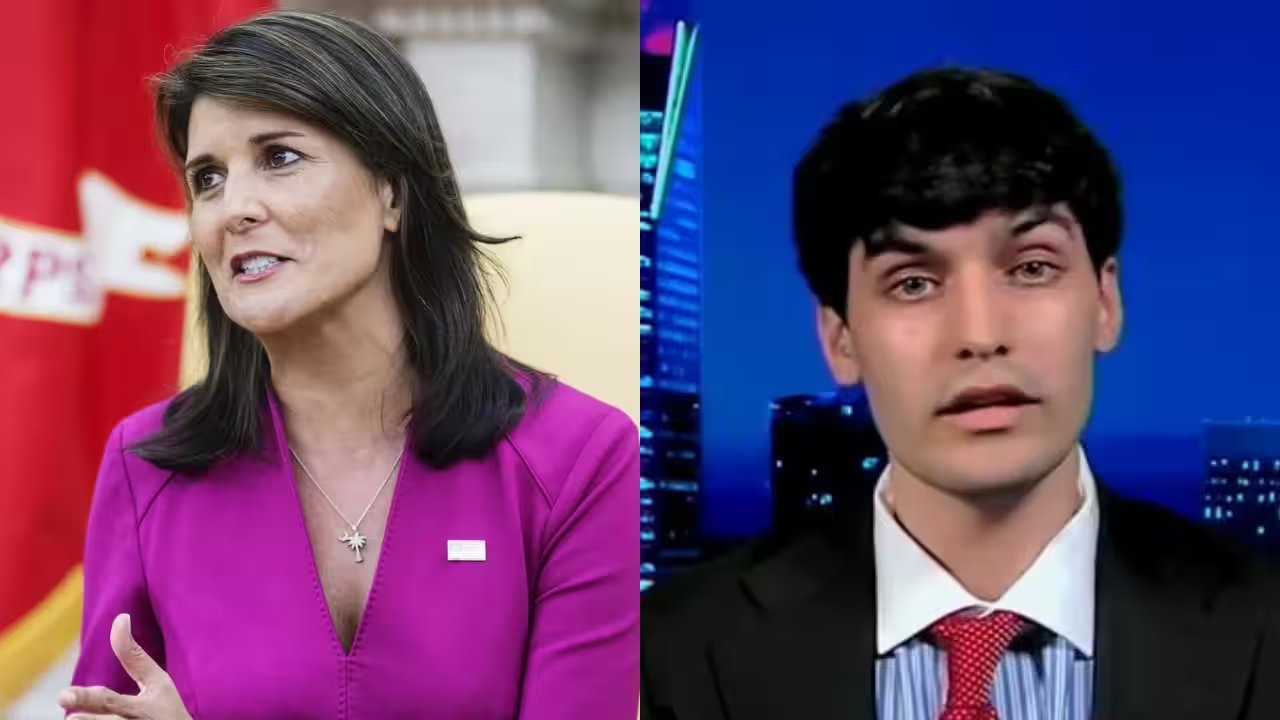
Former UN Ambassador Nikki Haley rejected the common Republican narrative that media, academia, or Hollywood sabotaged the party's midterm performance. Speaking on NBC's Today show on Wednesday, she argued that these institutions have opposed the GOP for years without preventing previous victories. "To my fellow Republicans, this is not the time to whine, complain, or point fingers," Haley said. "You can't blame media, you can't blame academia, you can't blame Hollywood."
The former ambassador pointed directly to the disconnect between Washington and voters' wallets. She noted that while Americans complained about high grocery bills, fuel prices, and healthcare costs, Republican leaders focused on internal politics. "And while the American people were saying groceries are high, gas is high, healthcare is high, you're not listening," she stated. Haley described the recent political climate in D.C. as rife with "self-dealing and corruption and celebrating," urging her party to take their "medicine" and refocus. "This can shift in two years, but you have got to start focusing on what the American people want and not these issues in D.C. that nobody cares about," she added.
Haley’s analysis was mirrored by her son, Nalin Haley, a vocal critic of certain MAGA figures like Vivek Ramaswamy. In a statement, Nalin emphasized that the defeat was a result of inaction rather than external opposition. "Democrats didn’t win, Republicans lost!" he wrote. He argued that despite holding the House, Senate, and Presidency, the party failed to deliver tangible benefits for working Americans. "We primarily lost not cuz of what we did, but what we didn’t do," Nalin said, calling for accountability within the party rather than blaming opposition parties.
The family's unified message lands as Republicans regroup after a significant setback. Haley warned Democrats to "celebrate, but be careful what you wish for," citing the election of candidates she described as democratic socialists. Both parties now face a two-year window to redefine their platforms. The next critical step for the GOP is internal strategy sessions to pivot toward economic issues before the next election cycle, a shift that will determine if they can reclaim the narrative from the working-class voter.