Neil McKown, a former Ohio attorney, signed a deed for 155 acres south of Mansfield on August 23, 1988, without telling his wife. The plot was overgrown and neglected, yet it became the seed of a diversified farm that now spans nearly 500 acres.
In 2024 the farm’s forester estimated a clear‑cut could net $400,000 to $500,000, but McKown declined, citing a commitment to preserve the woodland. The decision was praised by the Ohio Conservation Service, which later awarded the family the Conservation Farm Family Award.
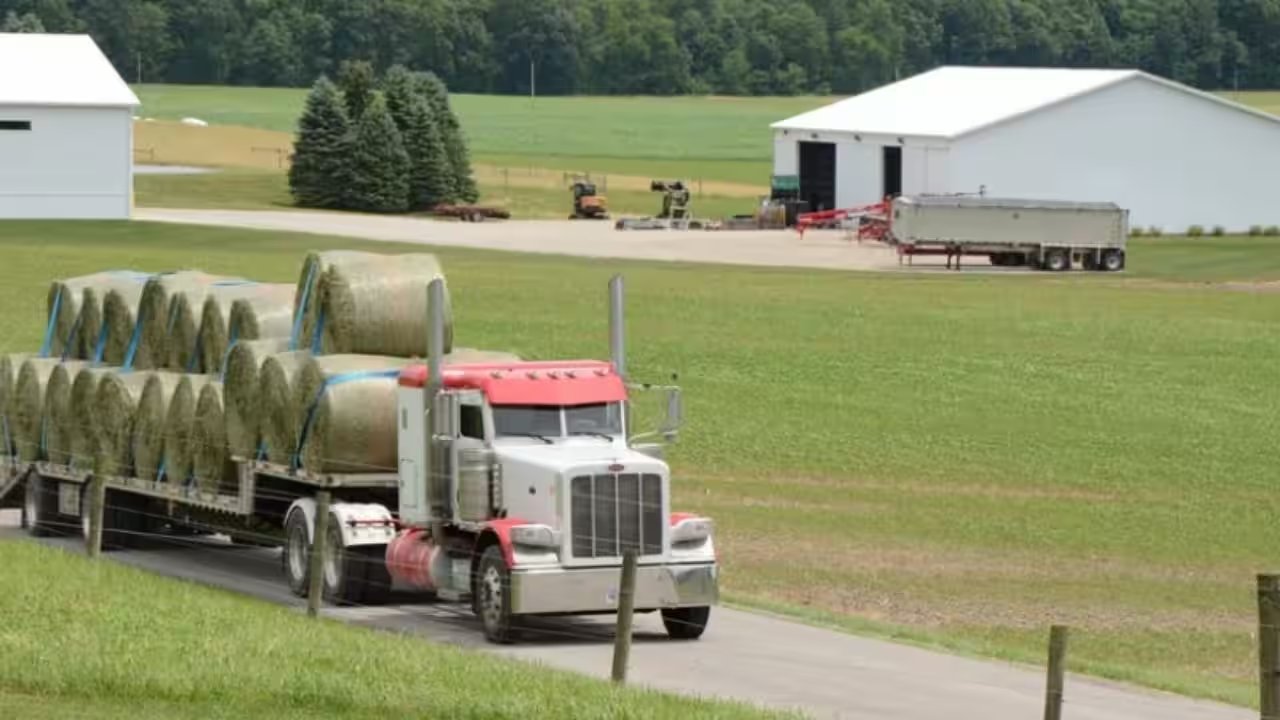
The McKowns added a neighboring 220‑acre property in 2003, doubling productive acreage and expanding into corn, soybeans, wheat, hay, alfalfa, and cattle. Their rotational grazing system converted erodible slopes into pasture, while buffer strips along the historic ditch protect water quality.
Every fall the farm performs vertical tillage followed by no‑till planting, and an agronomist guides fertilizer use through grid sampling every three years. Selective logging replaces diseased trees, and the family maintains an apiary, a pond, and invasive‑plant removal program.
The farm has become an outdoor classroom: local fifth‑graders and university students visit to learn about glaciers, vernal pools, and sustainable agriculture. The McKowns will apply for additional conservation grants in 2025 to expand their stewardship program.