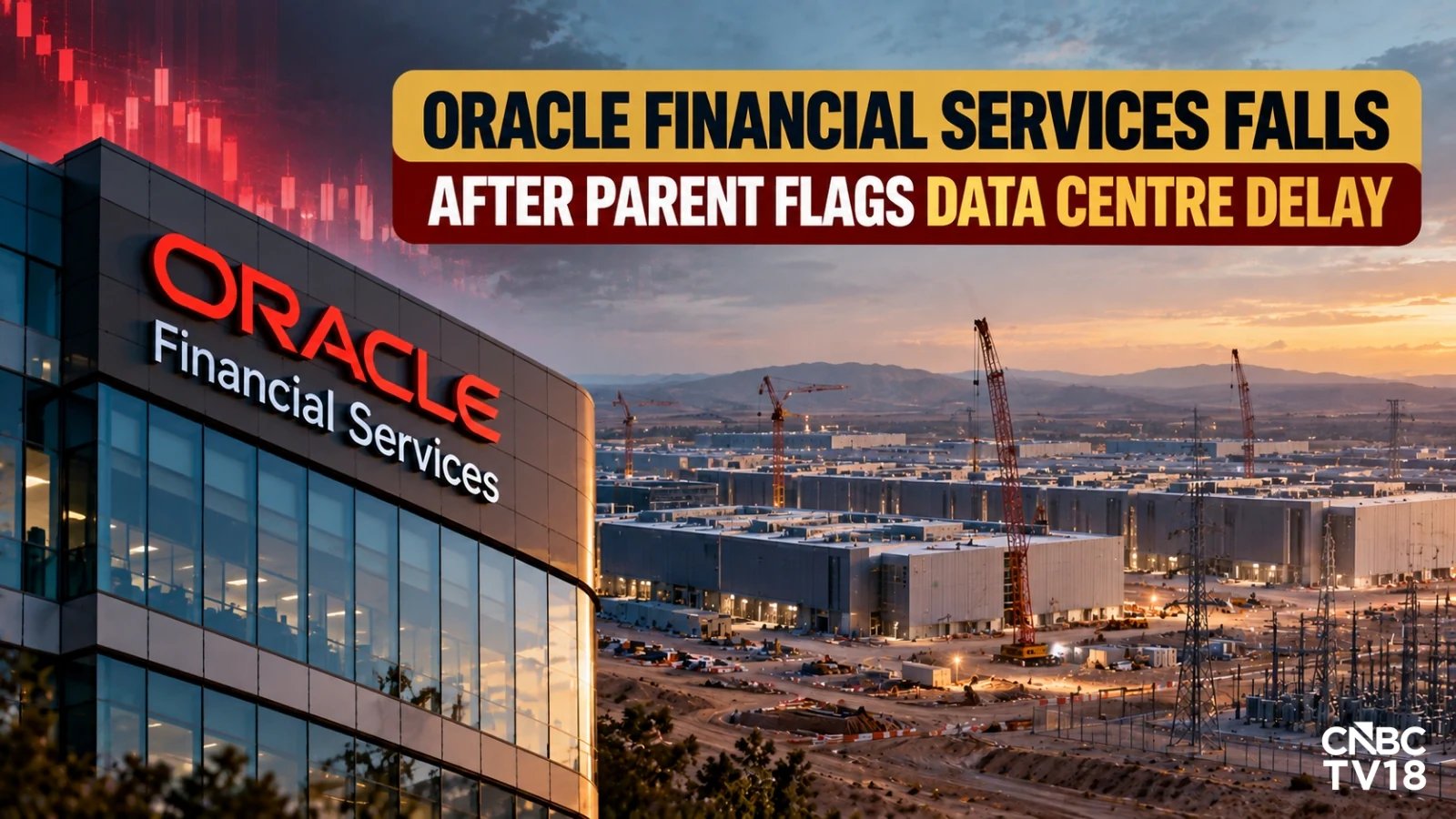
Oracle Financial Services Software (OFSS) closed Friday, September 25, down 5% at ₹10,572, dragging the stock to a weekly loss of 11%. That is the worst performance for the NSE-listed entity since January 2025, when it had shed over 12% in a similar stretch. The selling pressure wasn't triggered by OFSS's own numbers, but by a structural headache at its parent, Oracle Corp.
The trigger was a "force majeure" notice Oracle issued to a Blue Owl unit developing the 1,400-acre Project Jupiter campus in New Mexico. According to Reuters, the notice cites potential delays in securing power for the site, a responsibility that falls squarely on Oracle under the contract. While Oracle cannot terminate the lease, it is seeking to delay payments if the project—scheduled to come online in 2028—misses its target.
Project Jupiter isn't just a real estate play; it's a cornerstone of the AI infrastructure boom. The campus is part of Oracle's broader agreement with OpenAI to provide computing capacity and forms a piece of the larger Stargate initiative, which involves SoftBank Group and carries a stated $500 billion investment commitment. Blue Owl, which owns the developer Stack Infrastructure, has around $3 billion in equity in the project, while Oracle shoulders the debt costs. Despite the friction, Blue Owl insists the notice does not alter its financial commitments.
The physical realities are proving tough. The project has already faced setbacks, including delays to a natural-gas pipeline and legal battles over water and air-quality permits. It has secured $18 billion in loans from a bank consortium, but the power grid bottlenecks are becoming a sector-wide concern as AI infrastructure expands rapidly in the US.
William Blair, a US brokerage, noted that while the development heightens concerns about regulatory and power-related delays, the near-term impact on Oracle’s financials is limited. The firm expects fiscal 2027 to remain unaffected because Project Jupiter is not slated to contribute revenue during that year. For Indian investors, the signal is clear: the AI capex cycle is real, but the execution risks are now priced in.